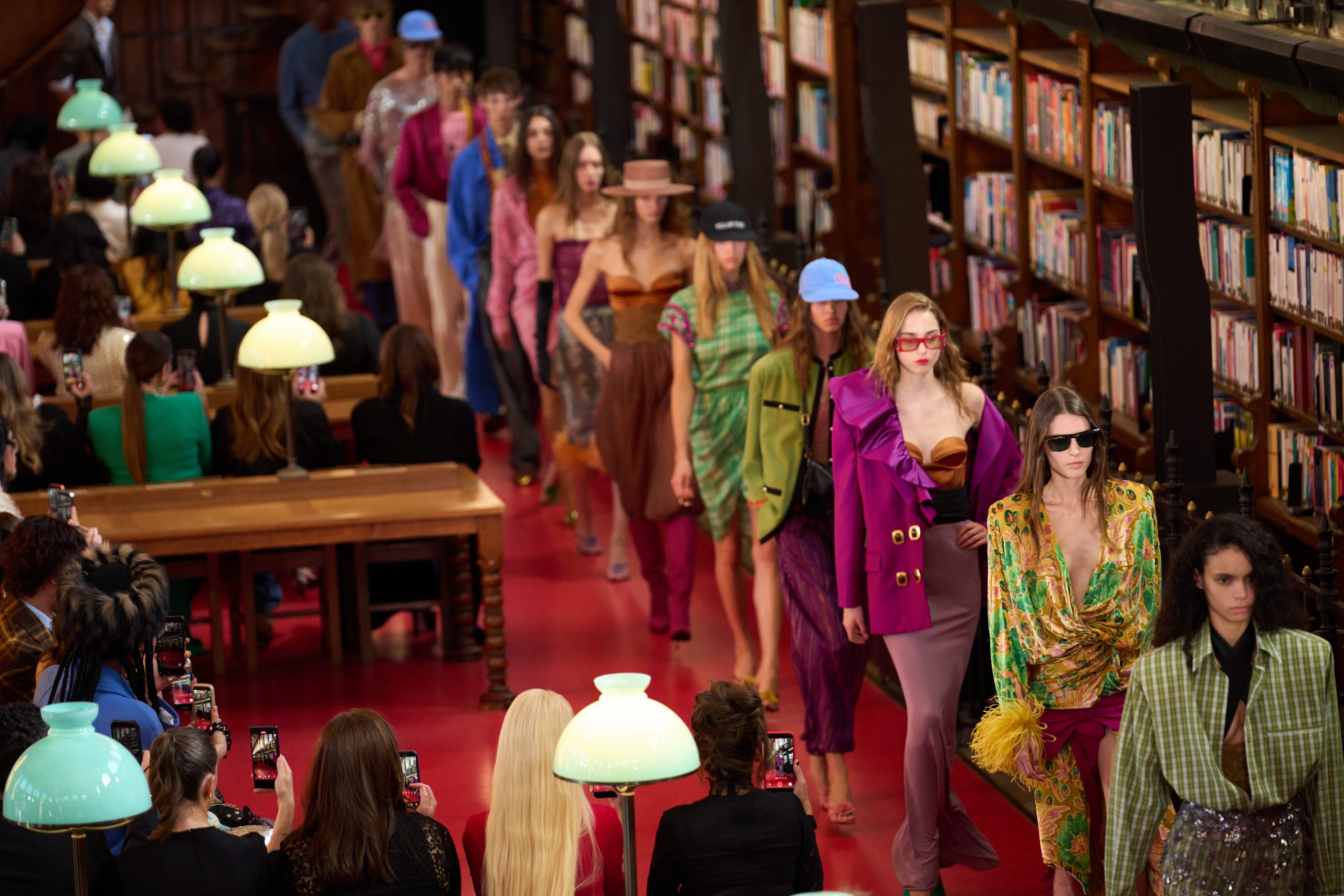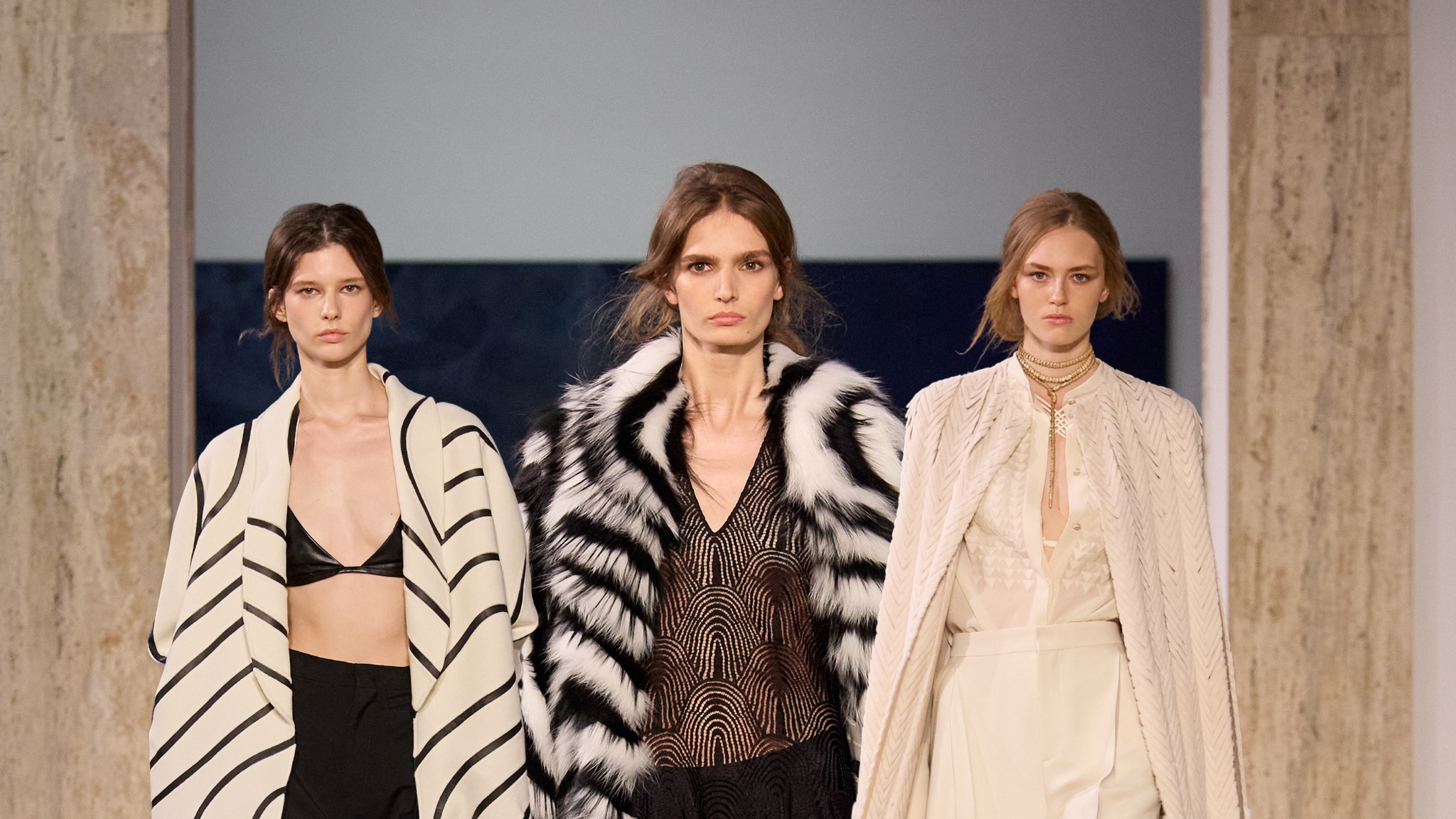
In her first Couture collection for FENDI, Maria Grazia Chiuri lays, as its subject, that desire our bodies are made of. Not just clothes, therefore, but design strategies that give value back to those bodies, as living substance, as a complexity of feelings, intentions, attitudes.
Fashion reassures us that we are infinitely desiring creatures, that the death of desire is unthinkable: that there is always something new, that it could be the absolute best thing and that it can be found or created. Chiuri adds sensuality, eroticism, freedom to the word desire. And then pleasure. The image of innocent and sensual freedom emerges, without malice, as a German girl crosses Rome in the late seventies in that archaeology of fashion films that is Histoire d’eau (an ironic evocation of Histoire d’O, by Pauline Réage) by Jacques De Bascher, commissioned by Karl Lagerfeld for his first ready-to-wear collection at FENDI in 1977.
Discover The Collection at FENDI
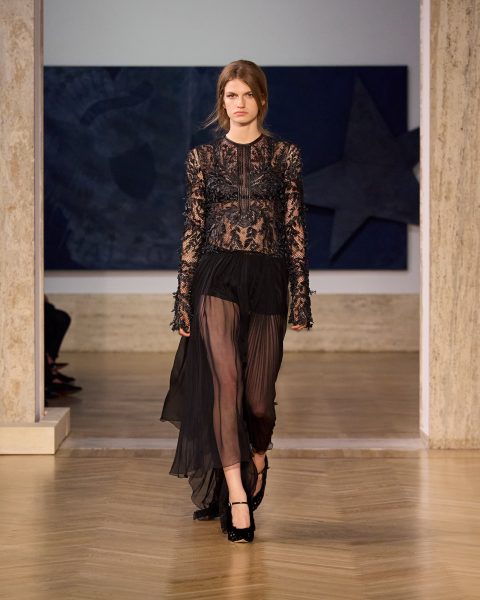
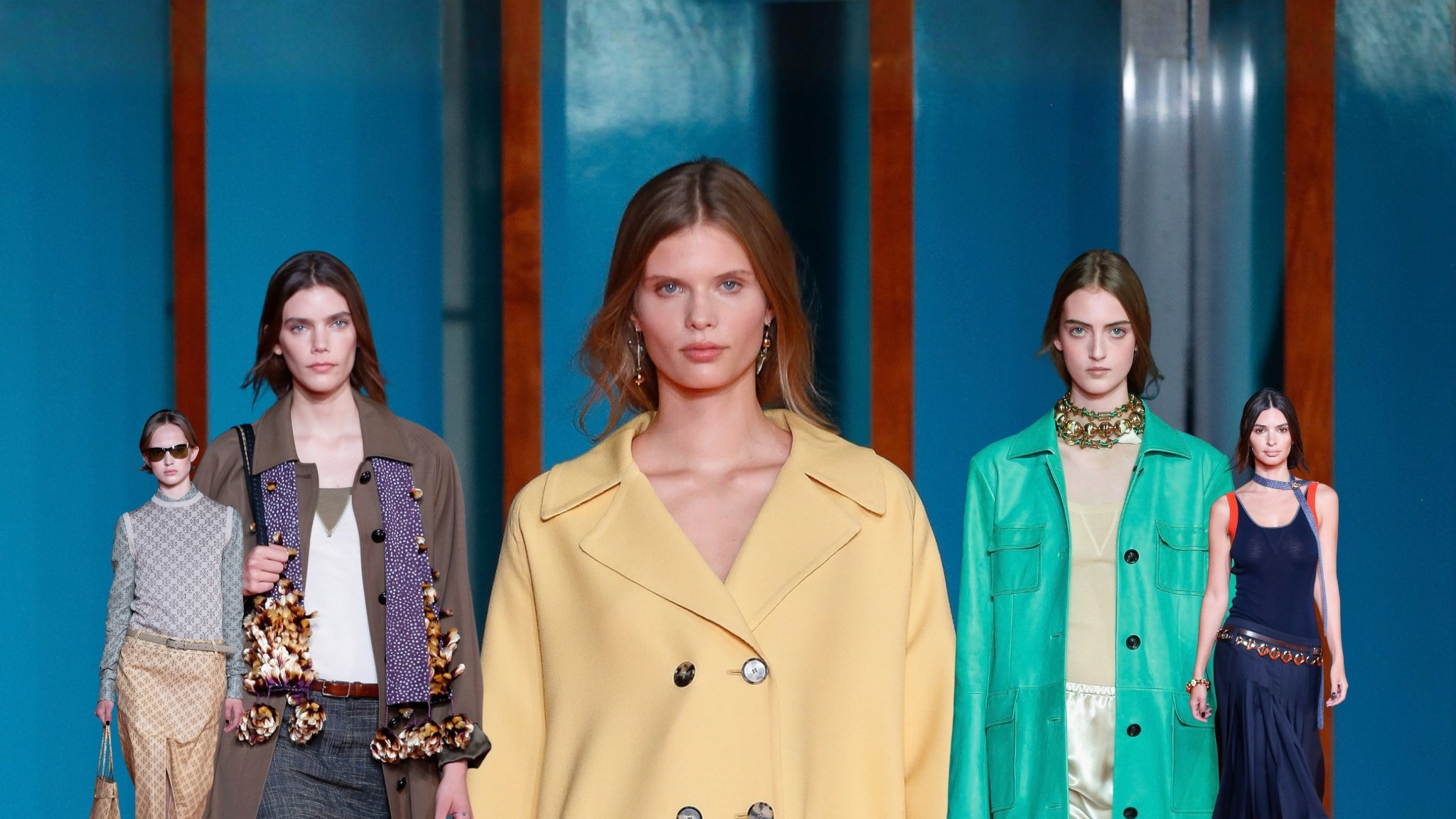
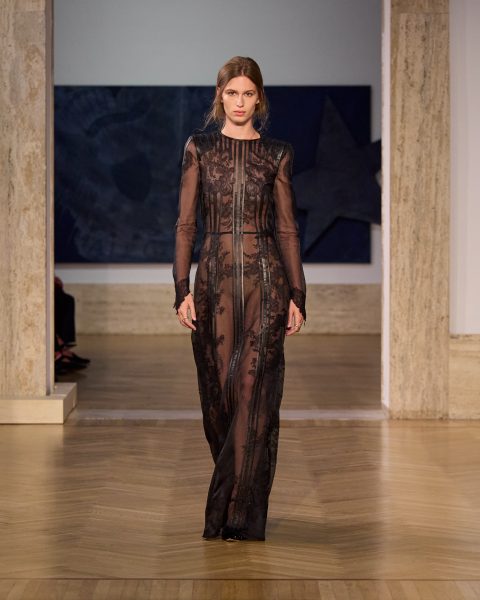
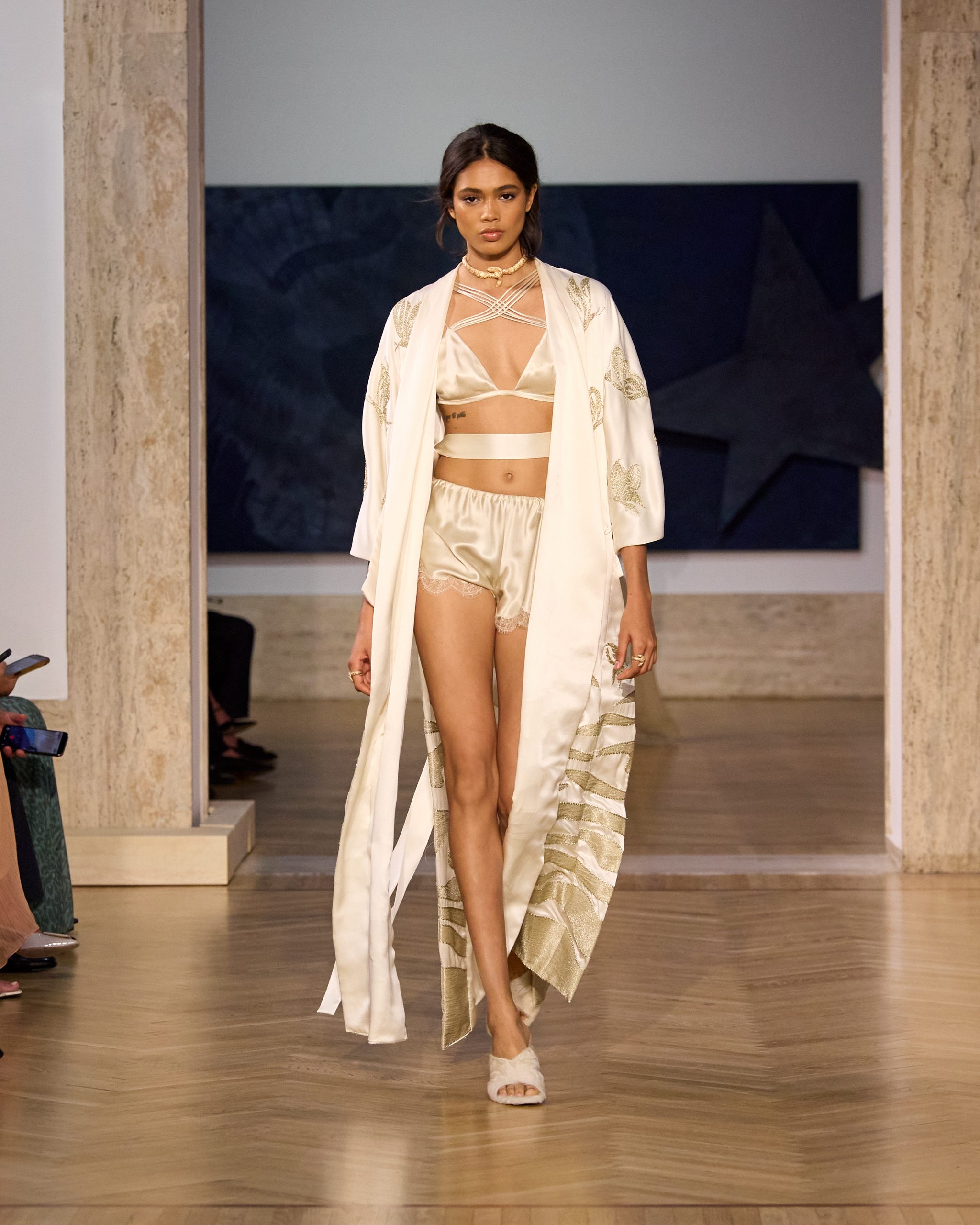
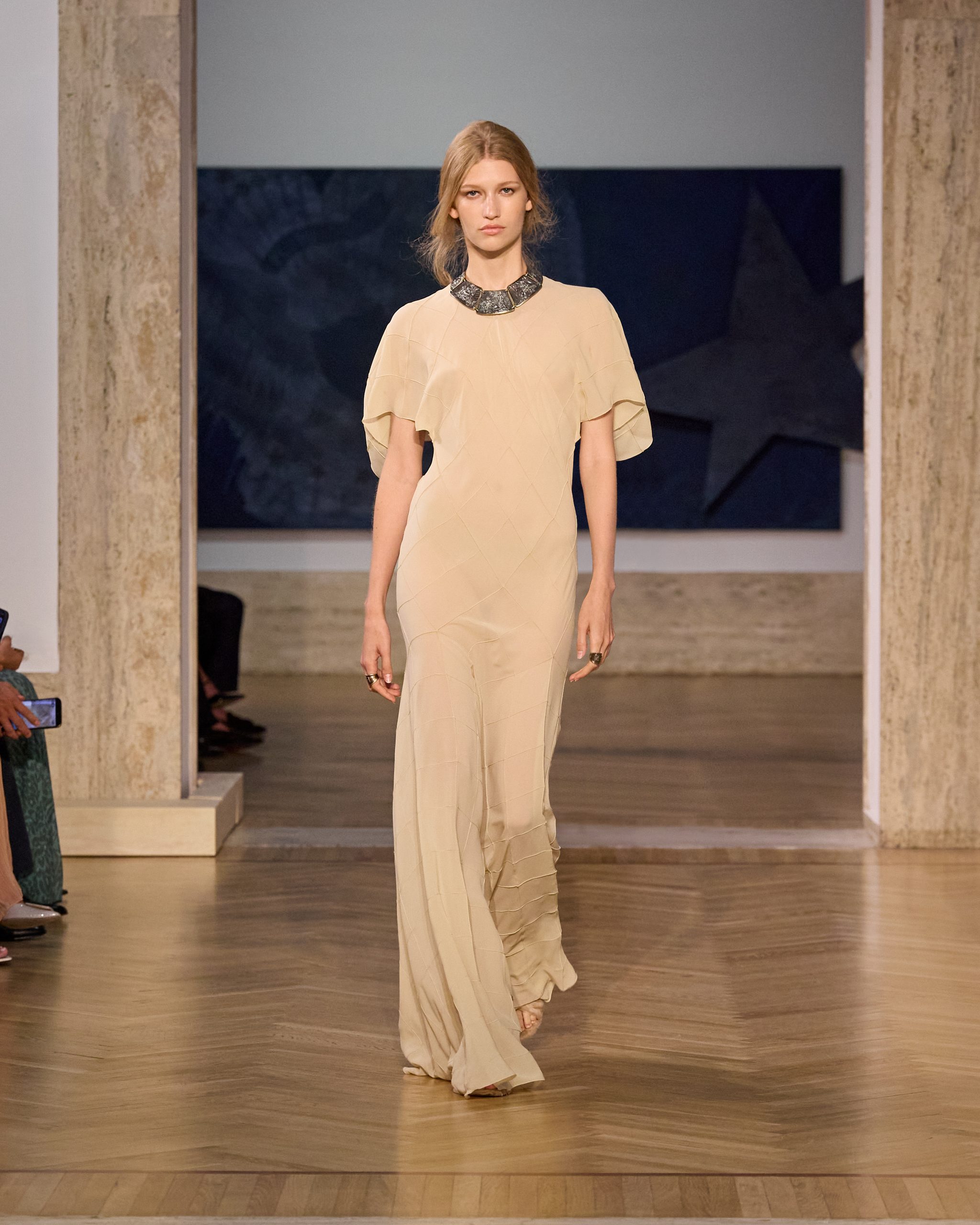
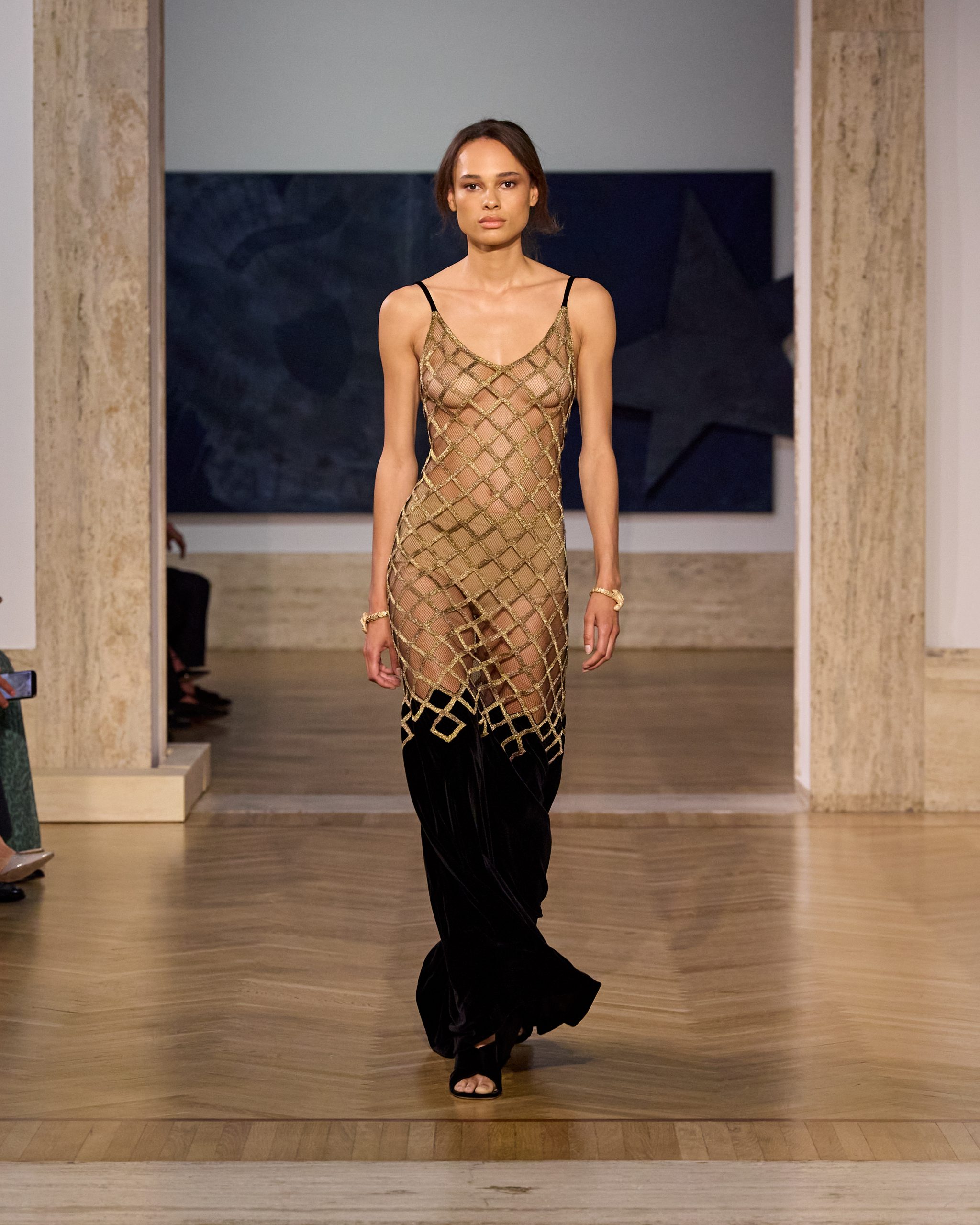
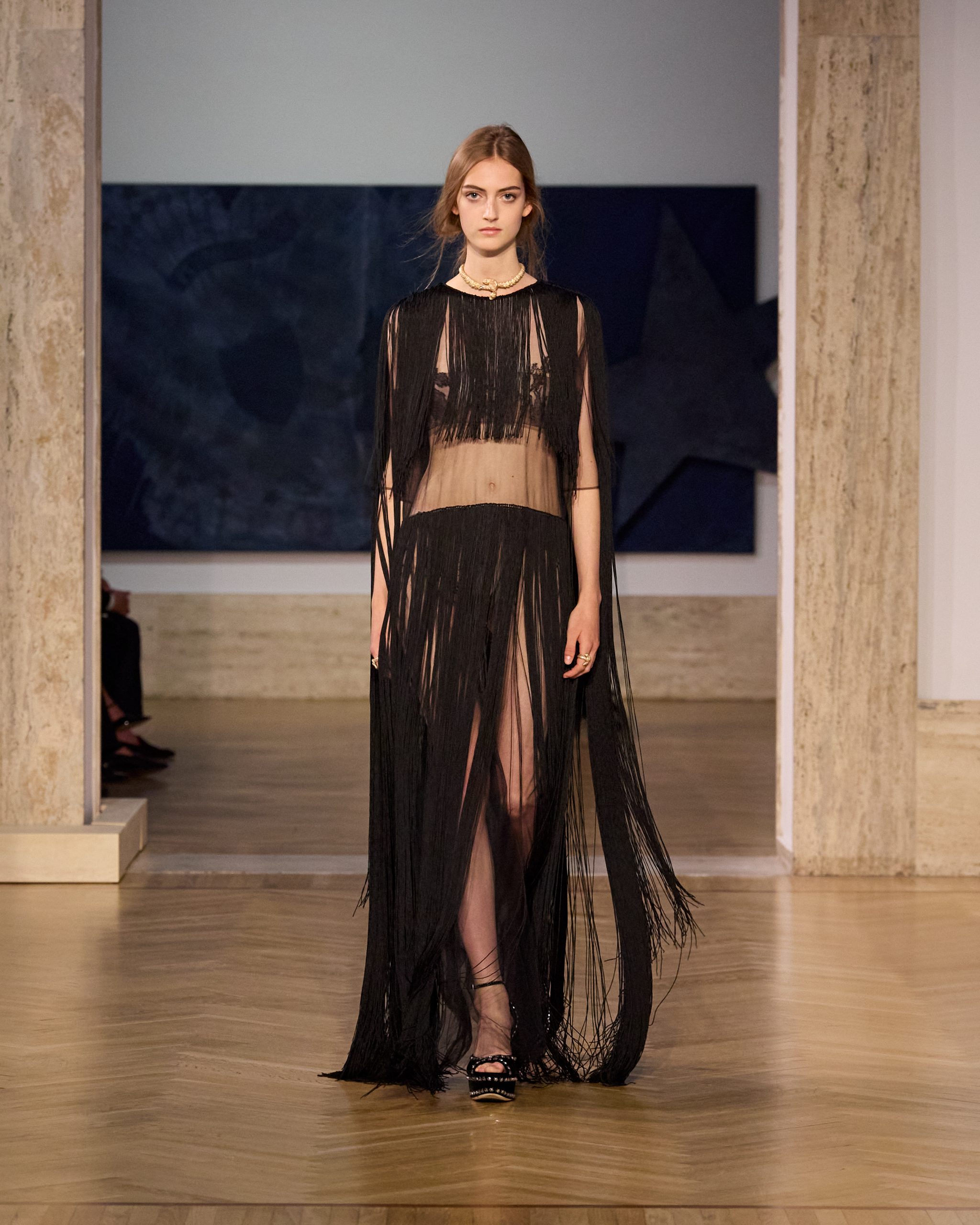
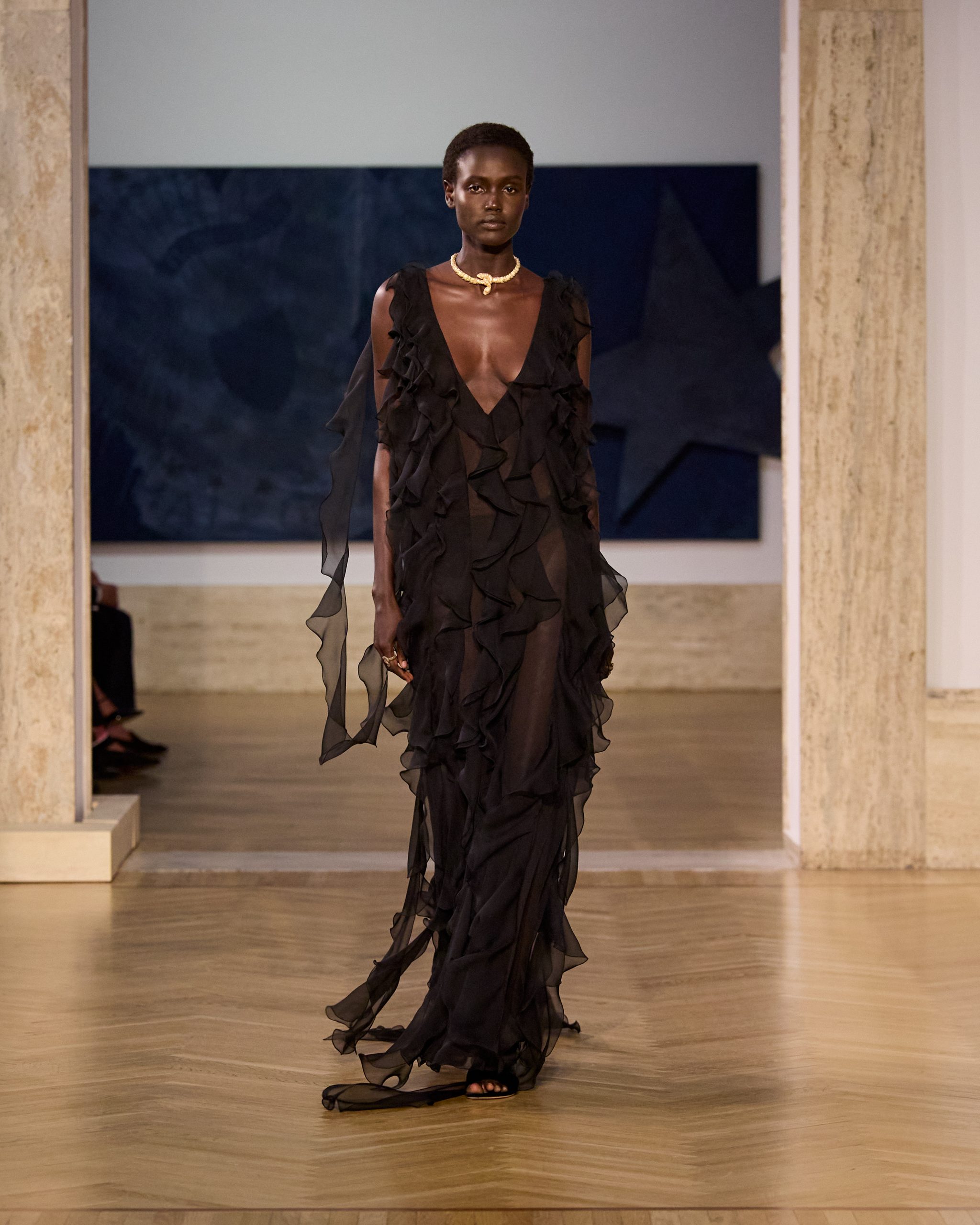
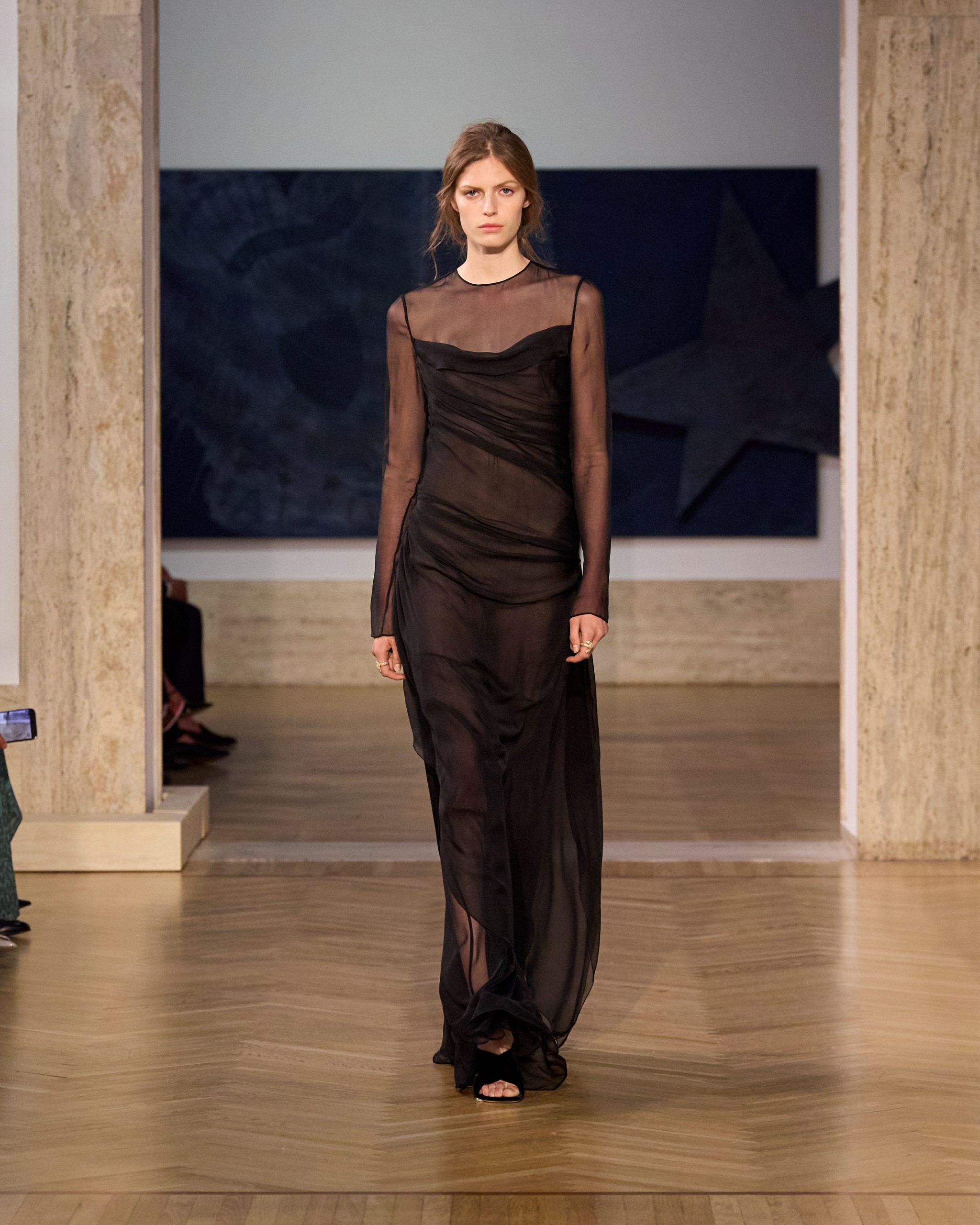
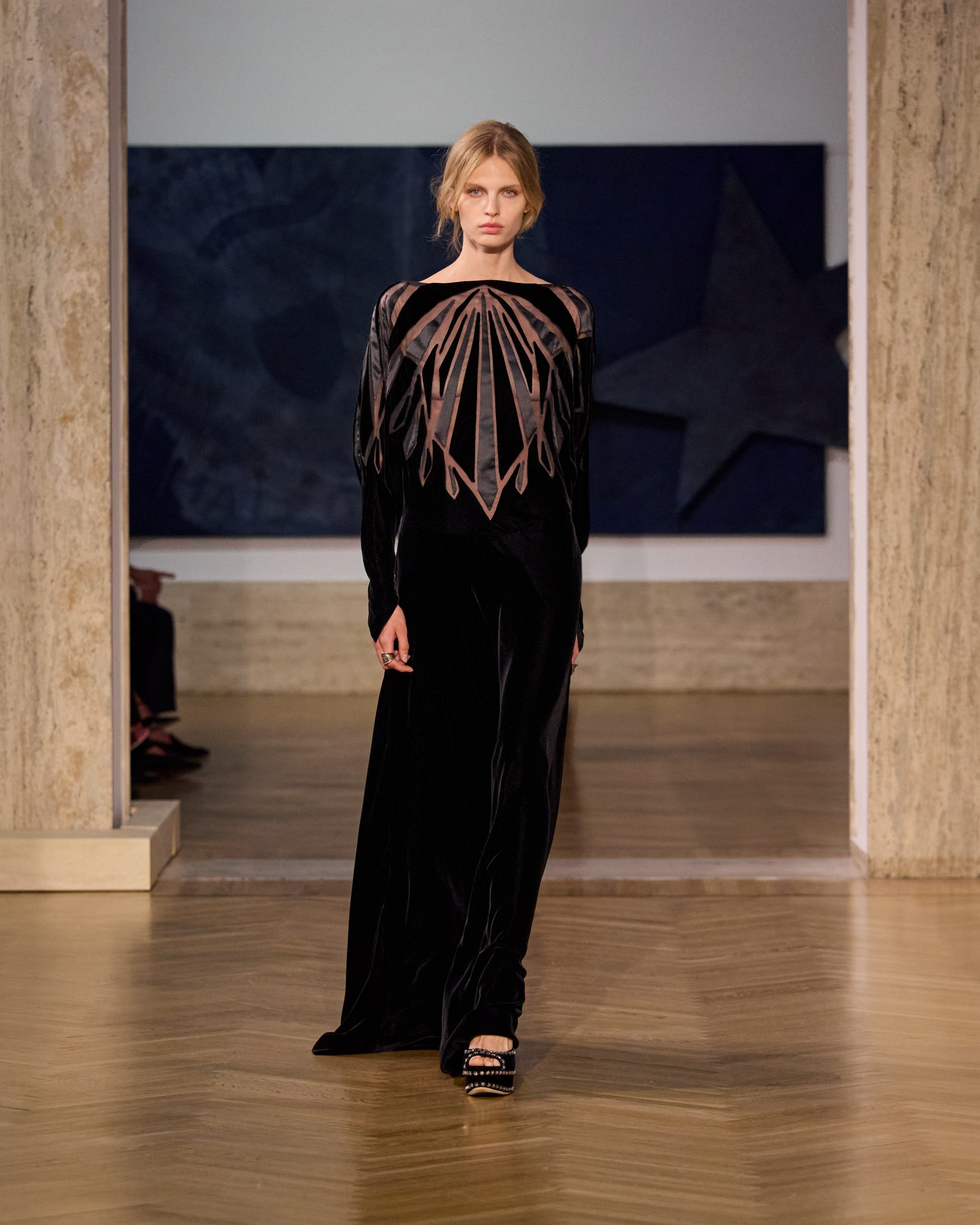
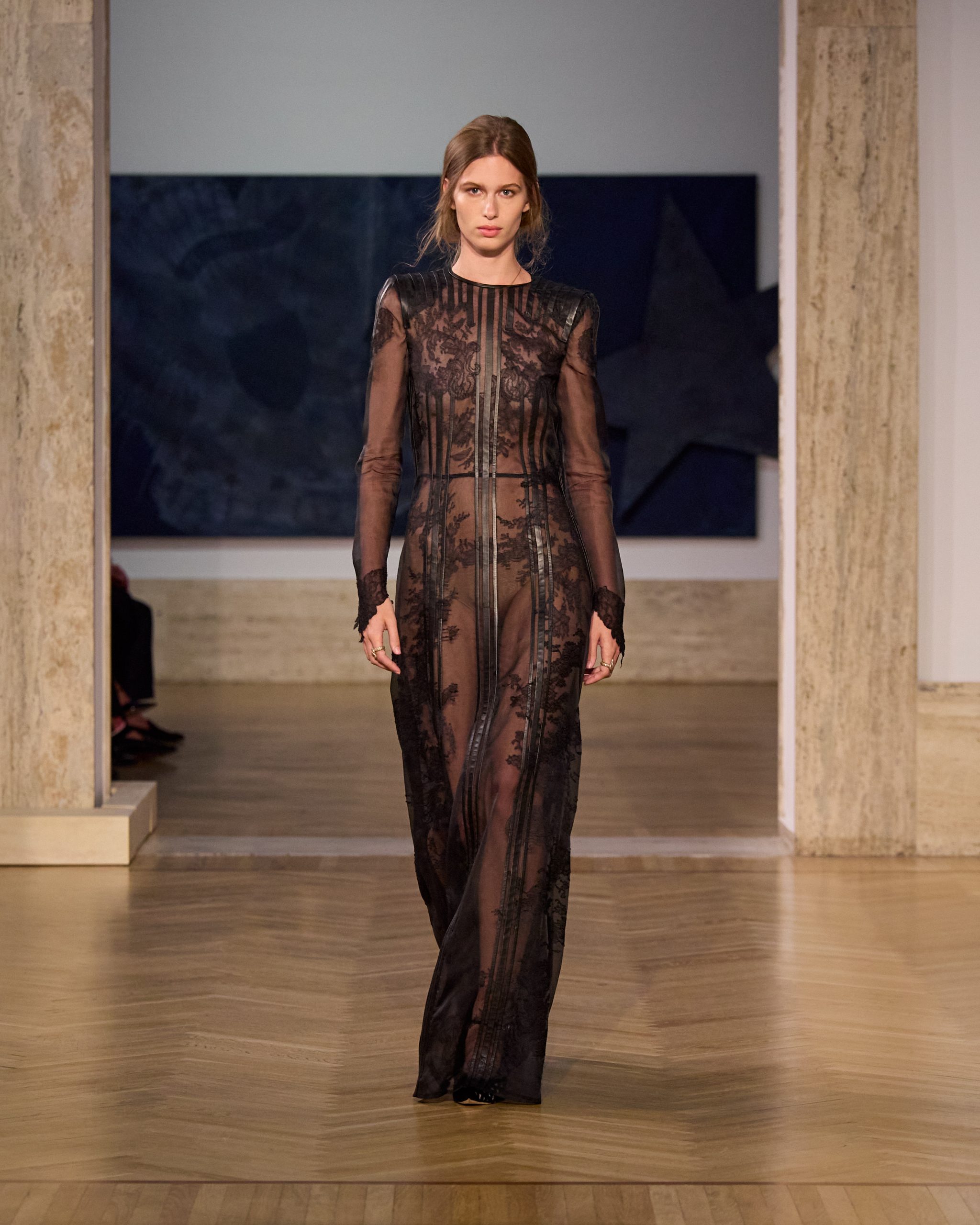
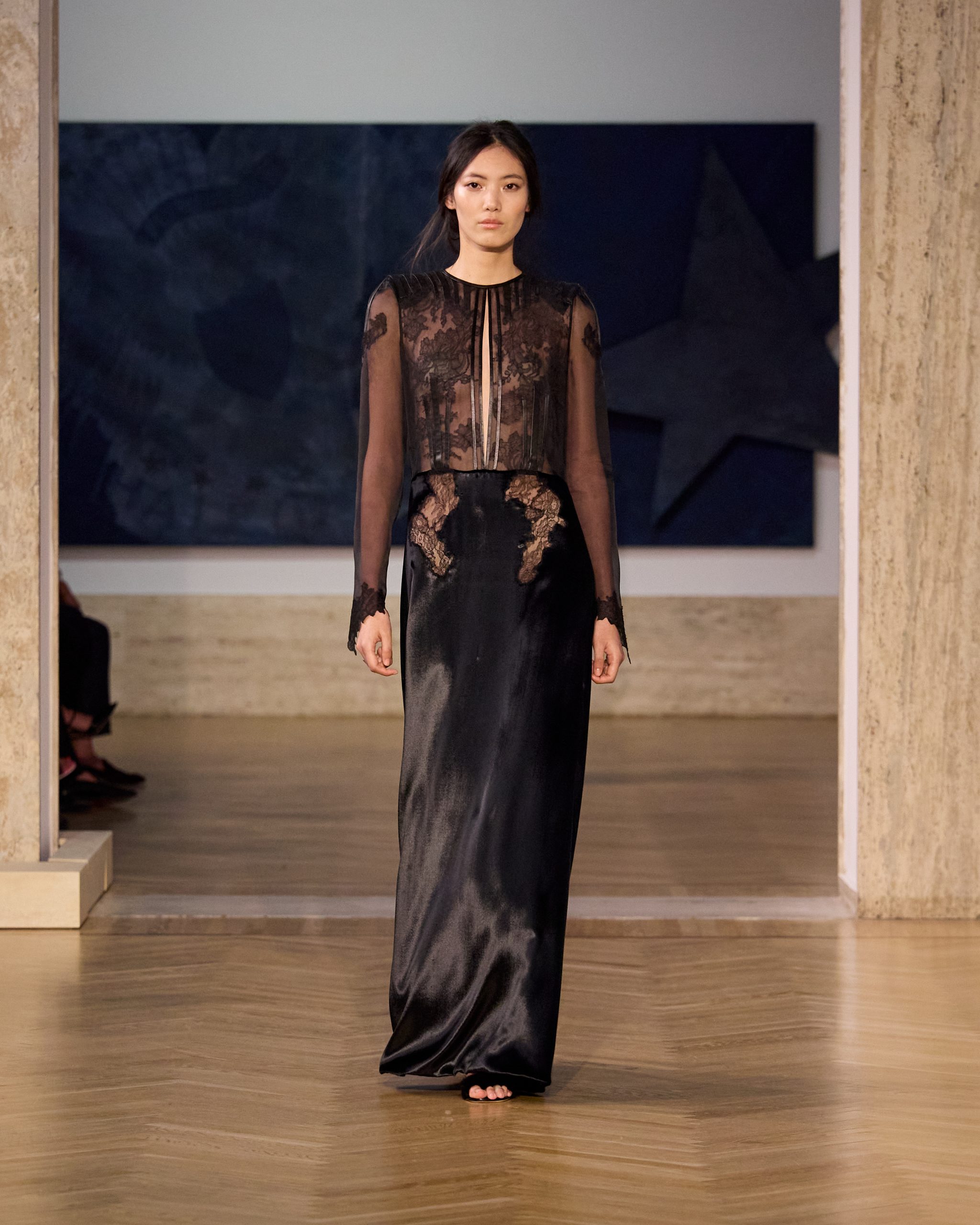
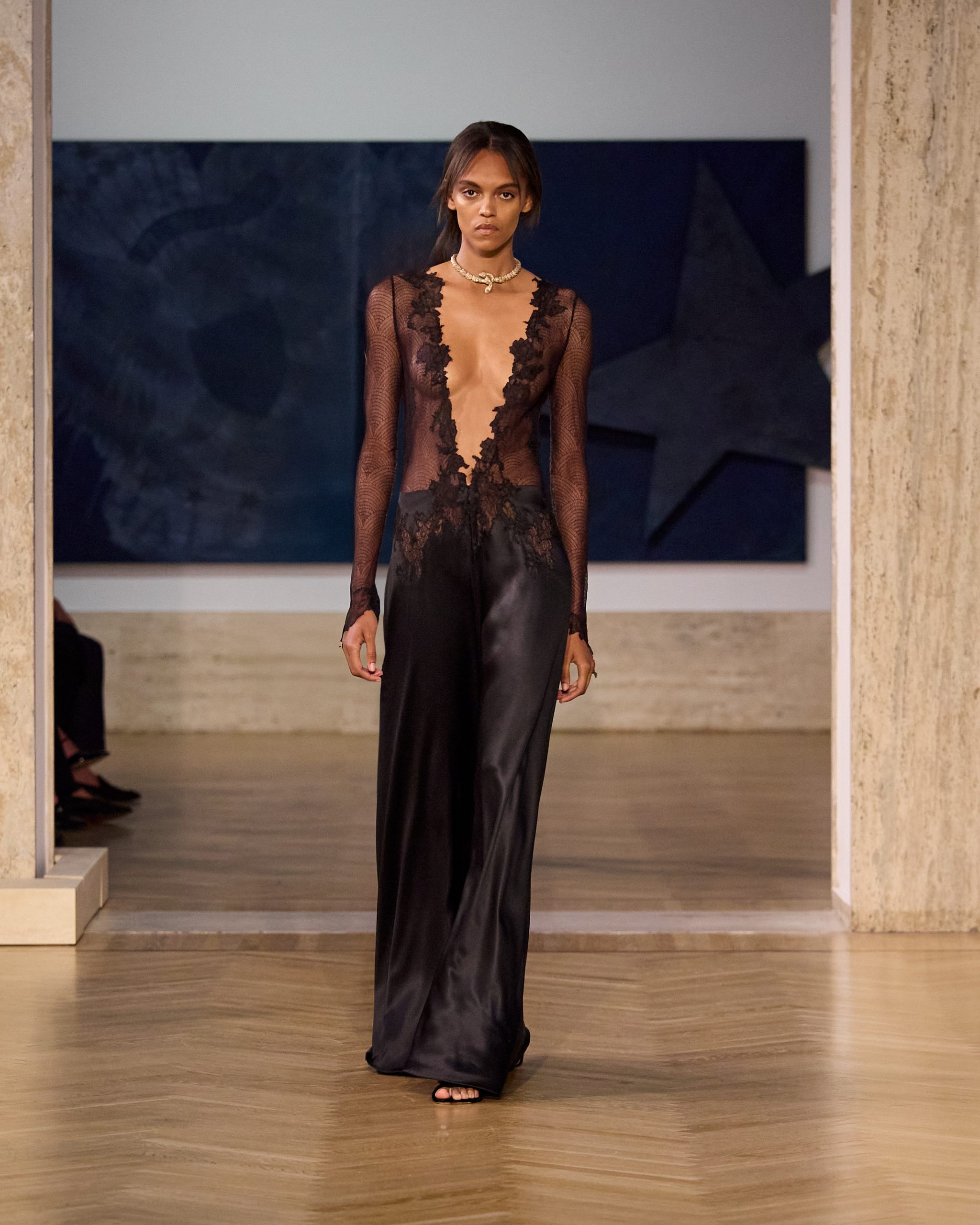
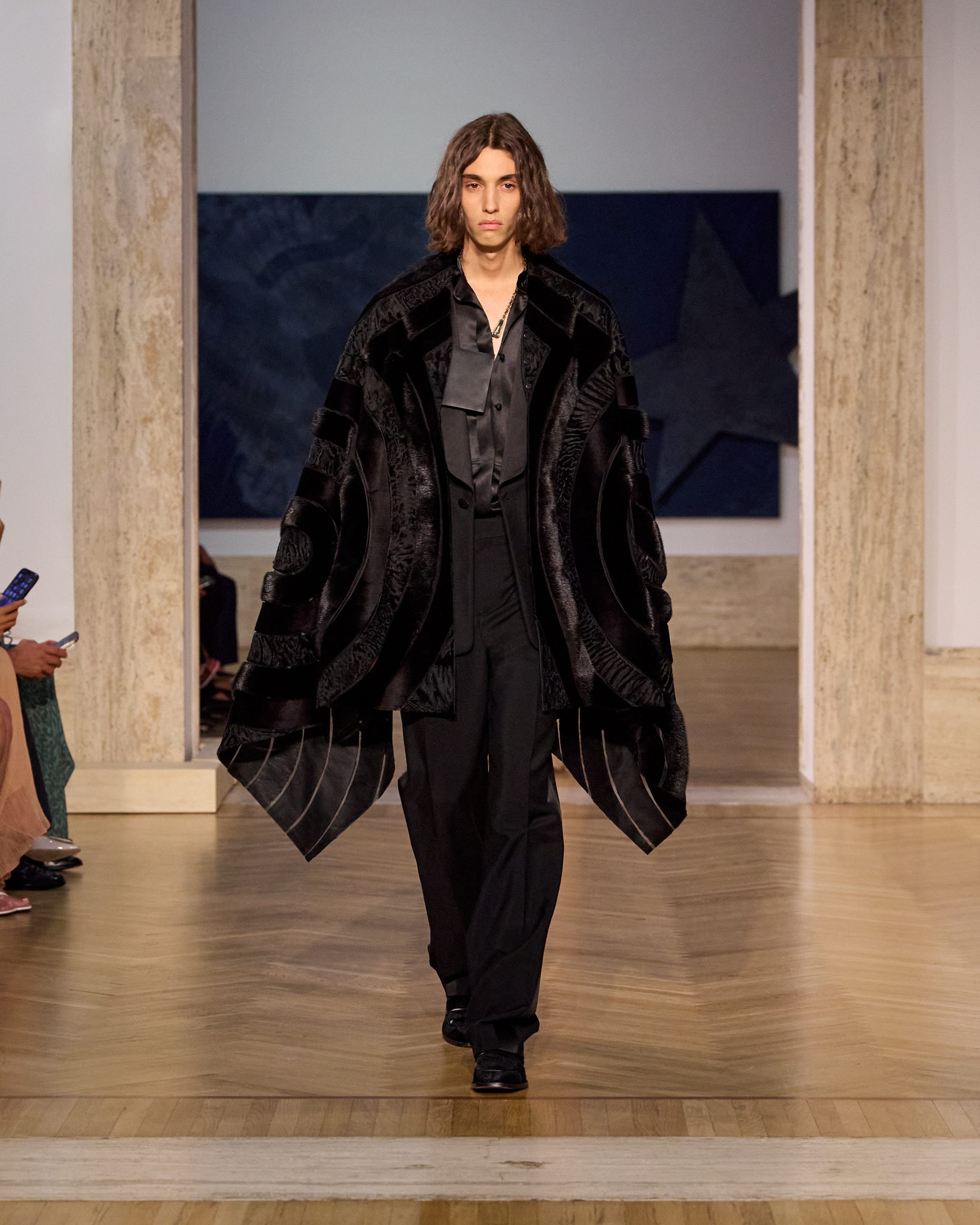
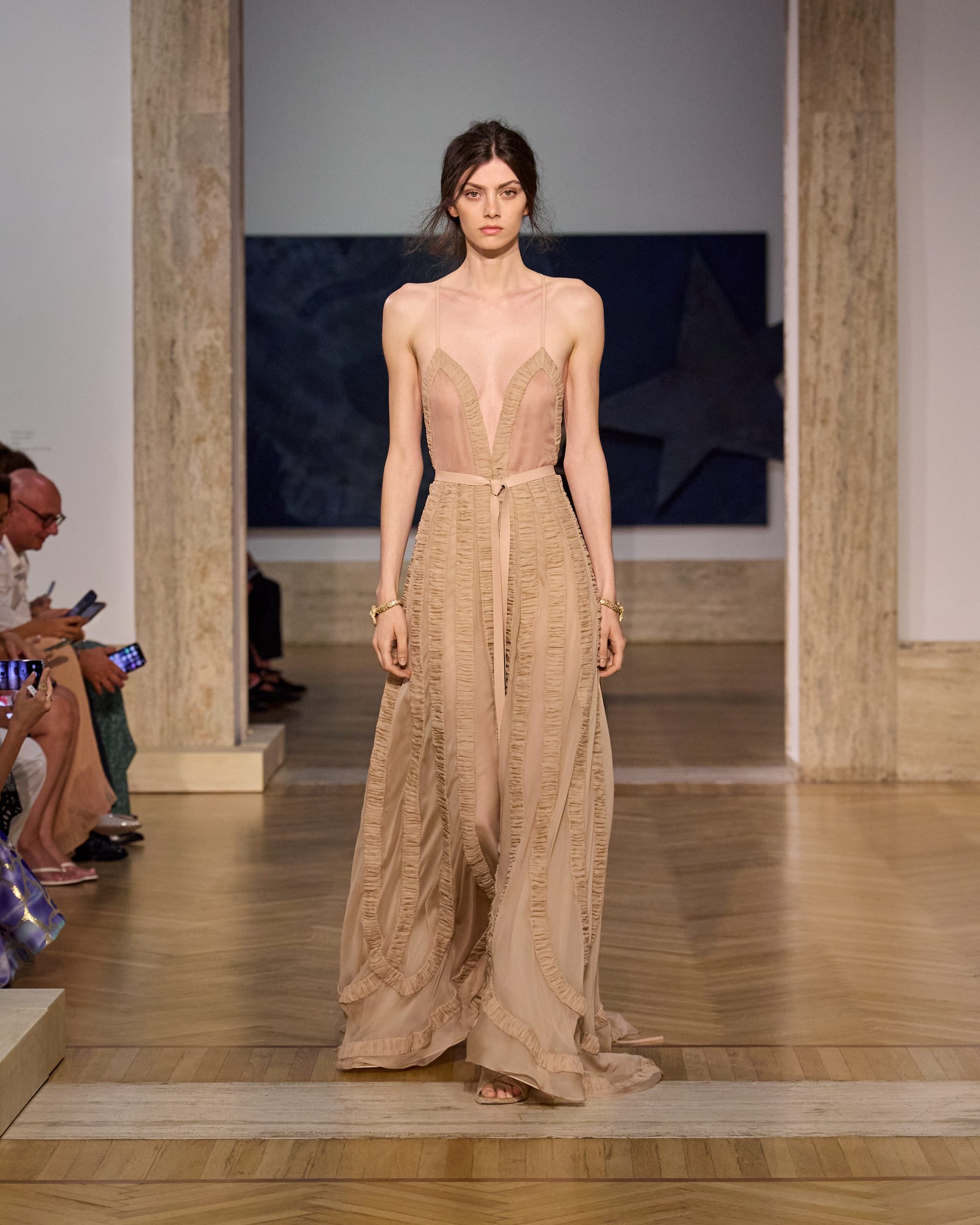
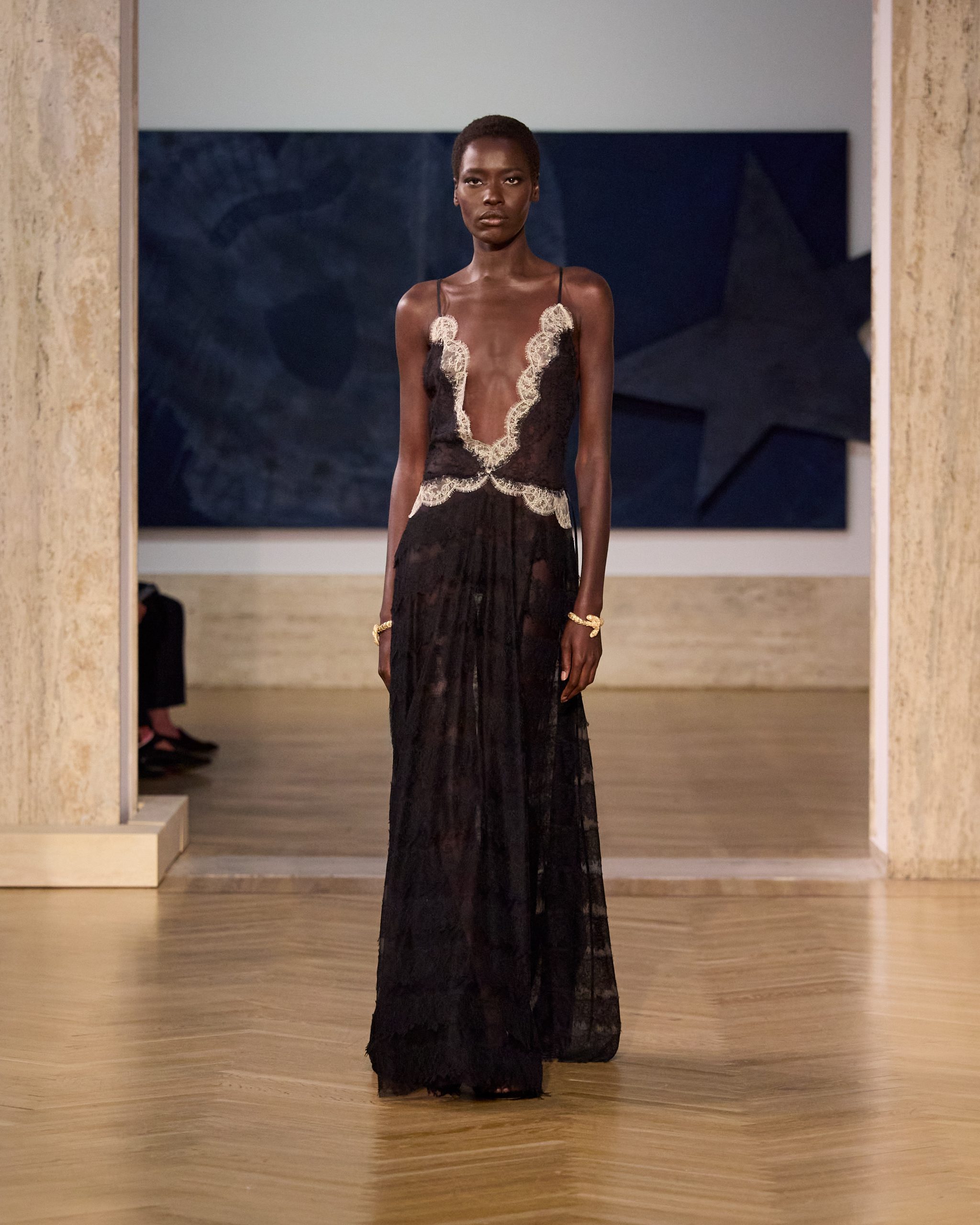
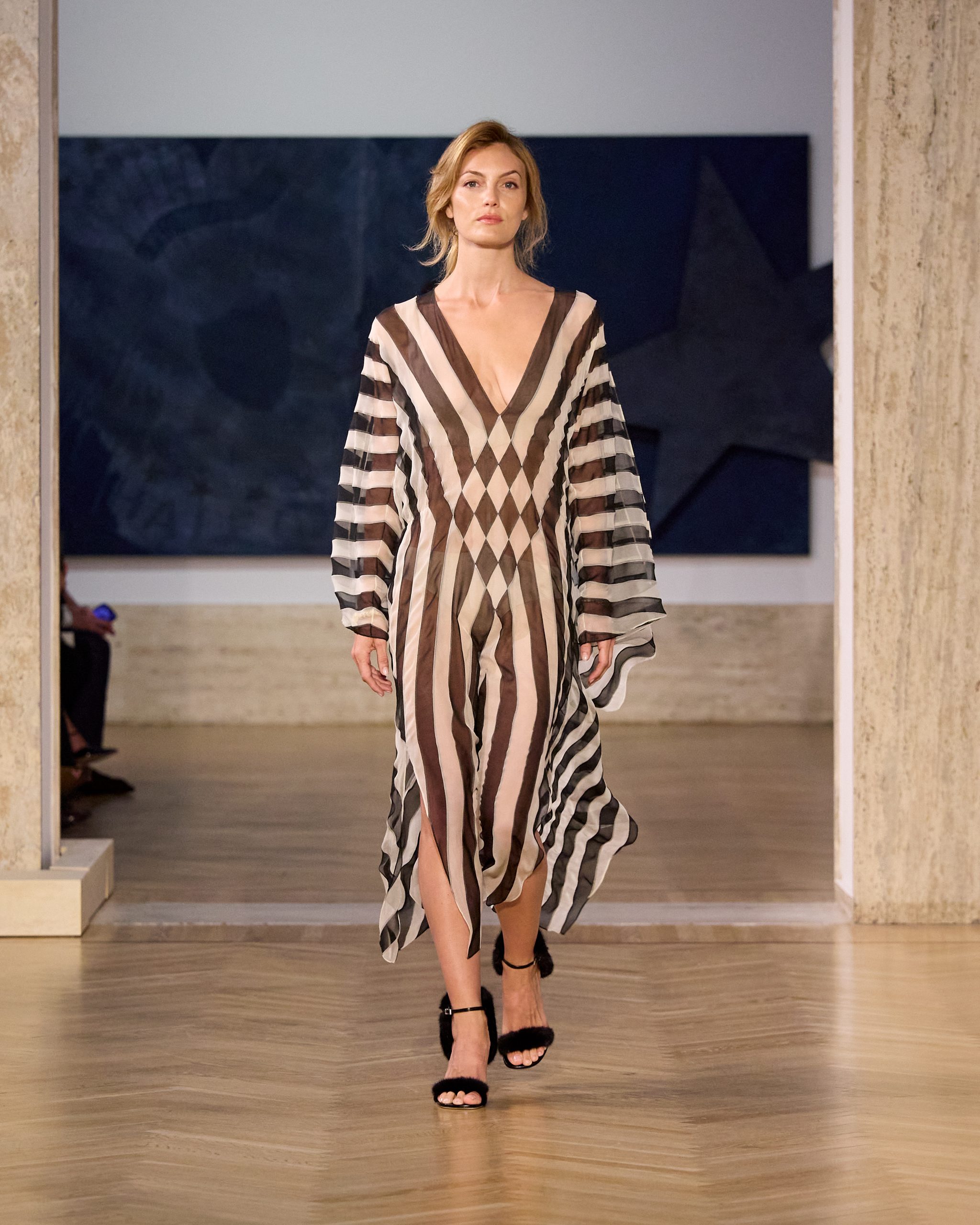
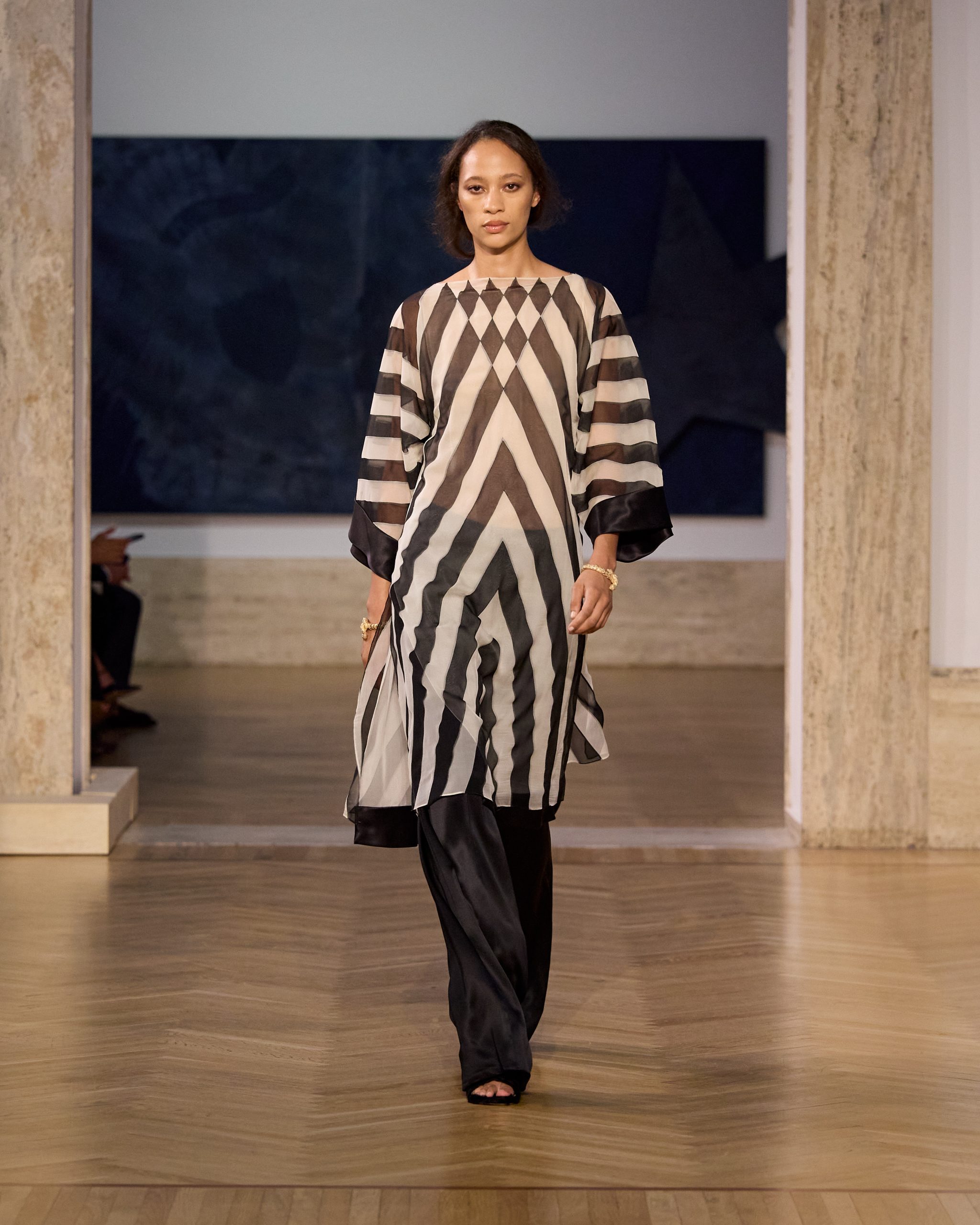
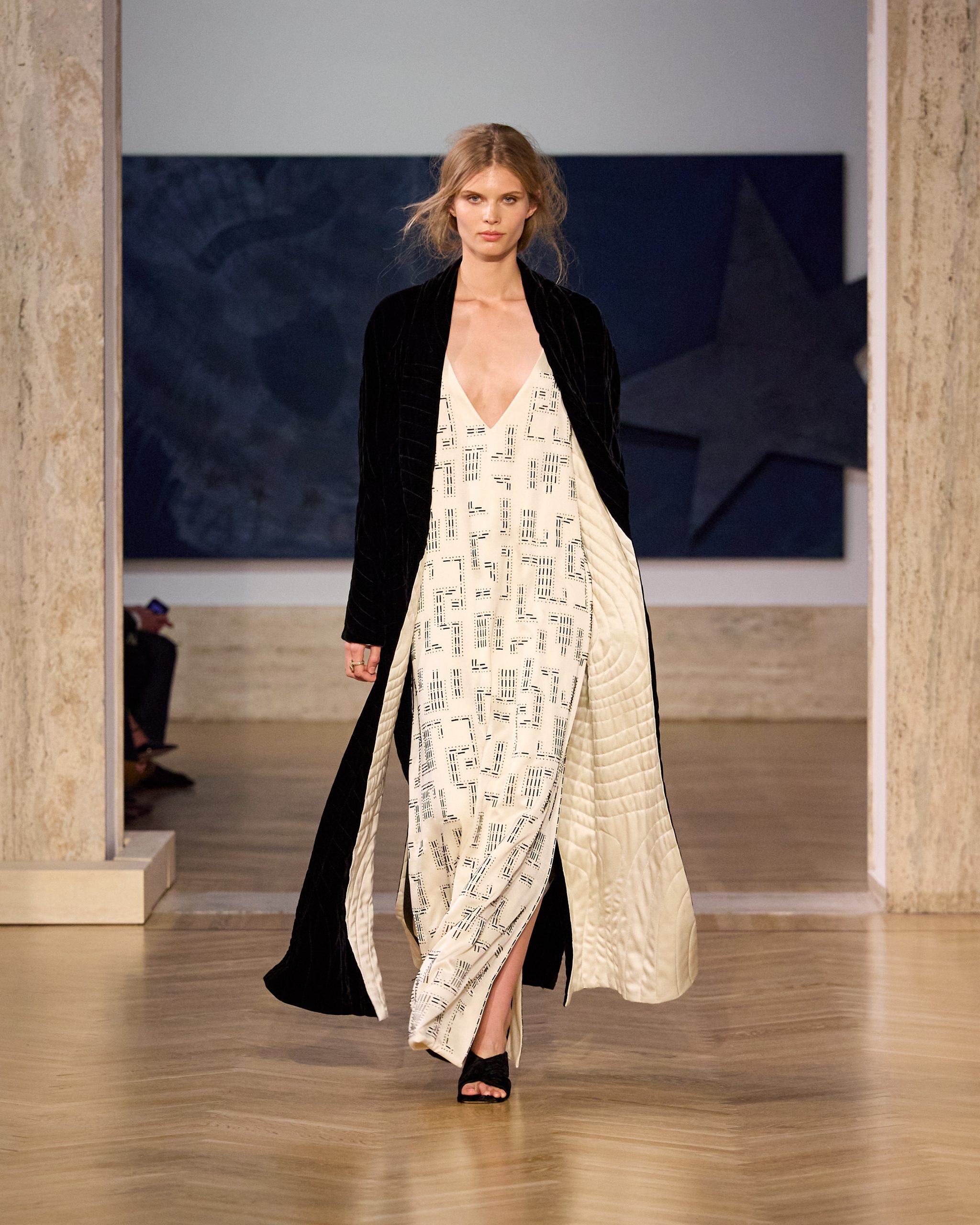
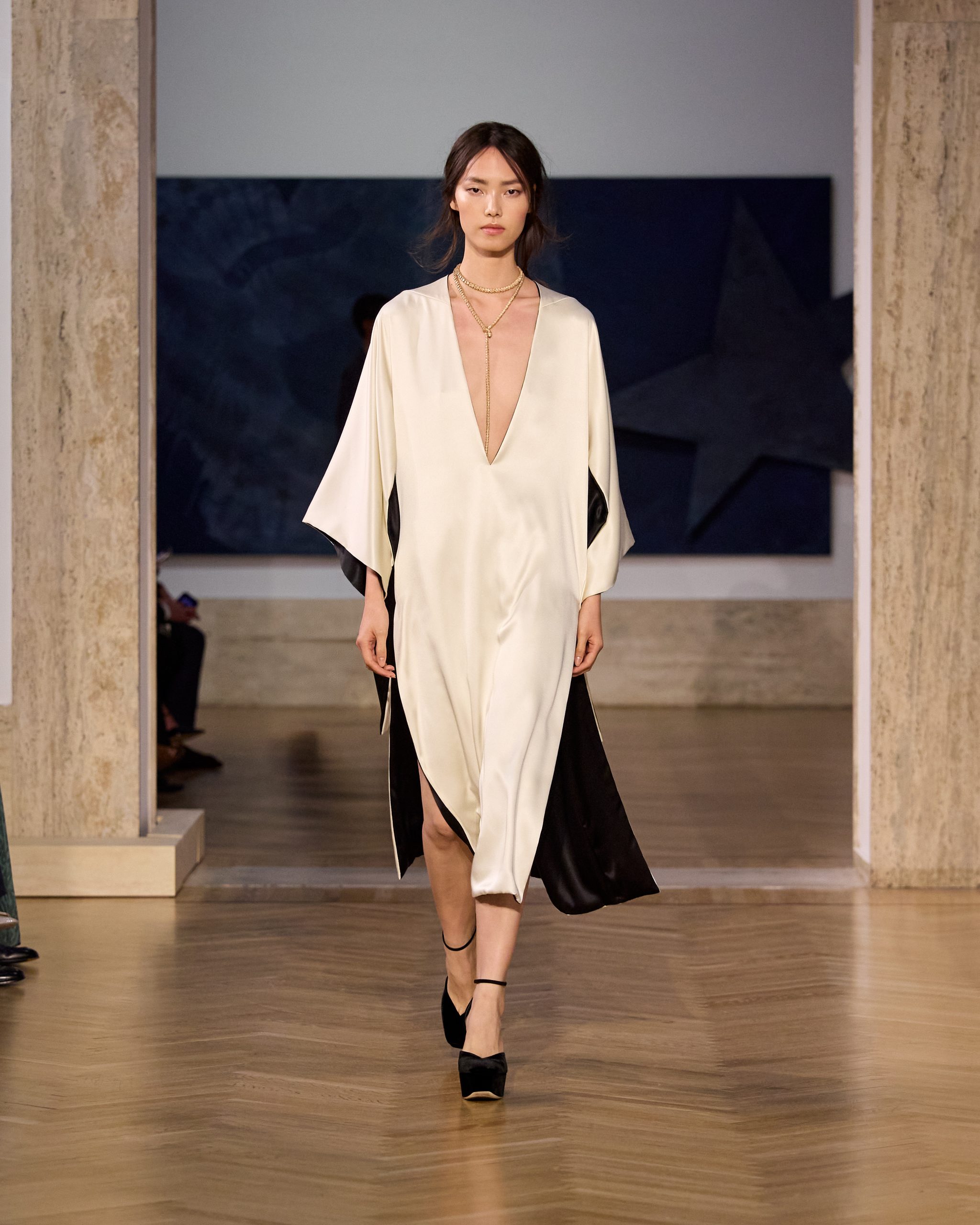
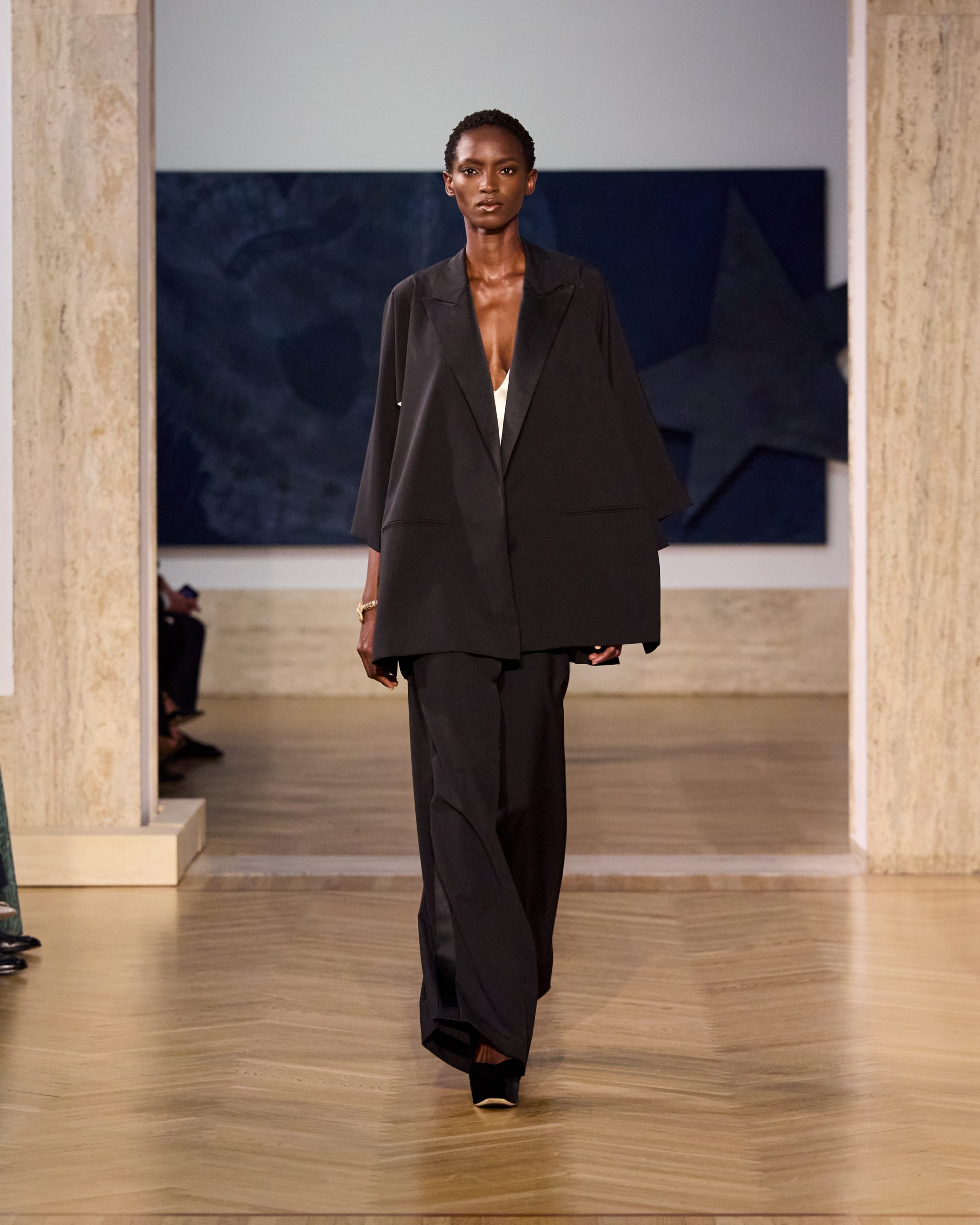
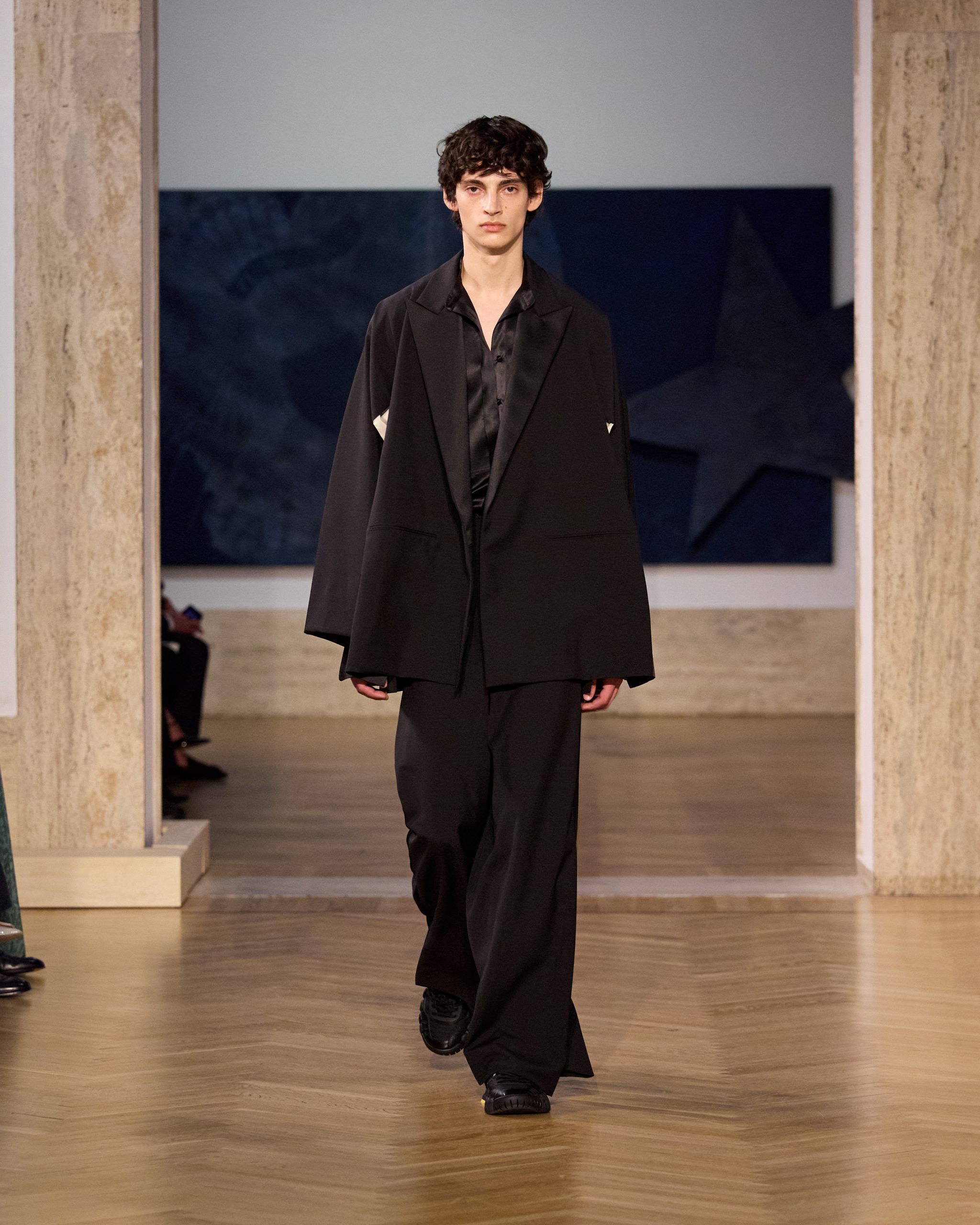
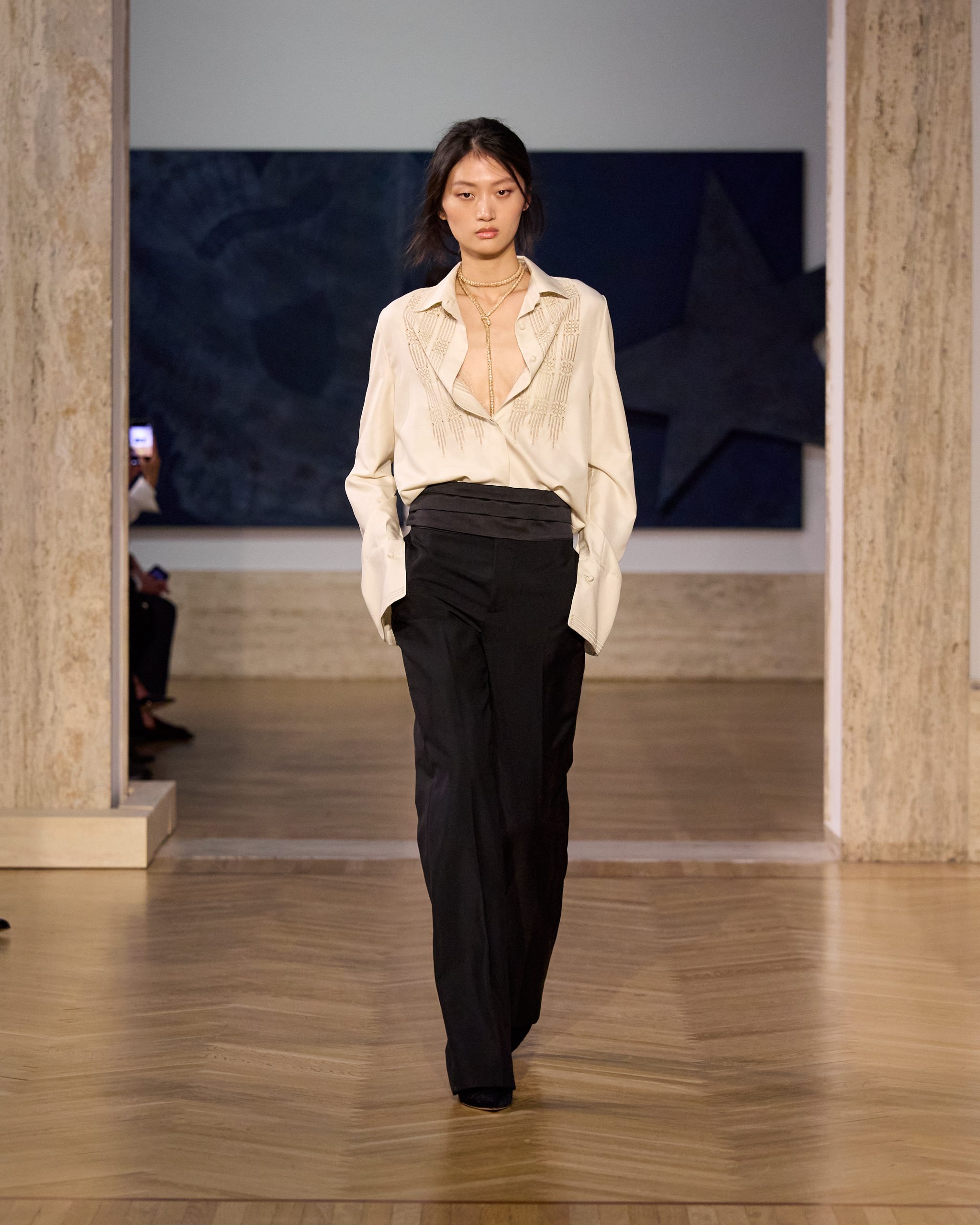
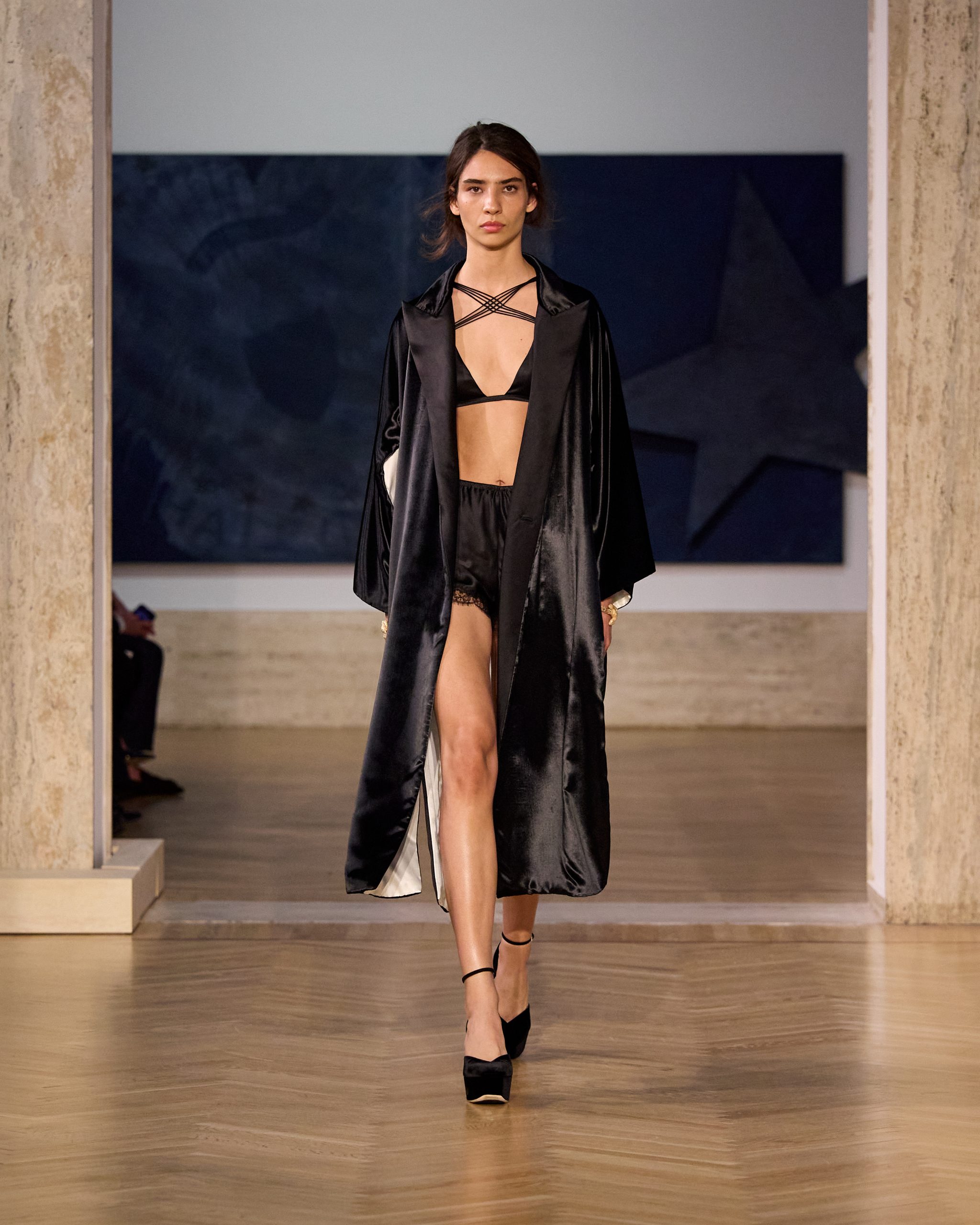
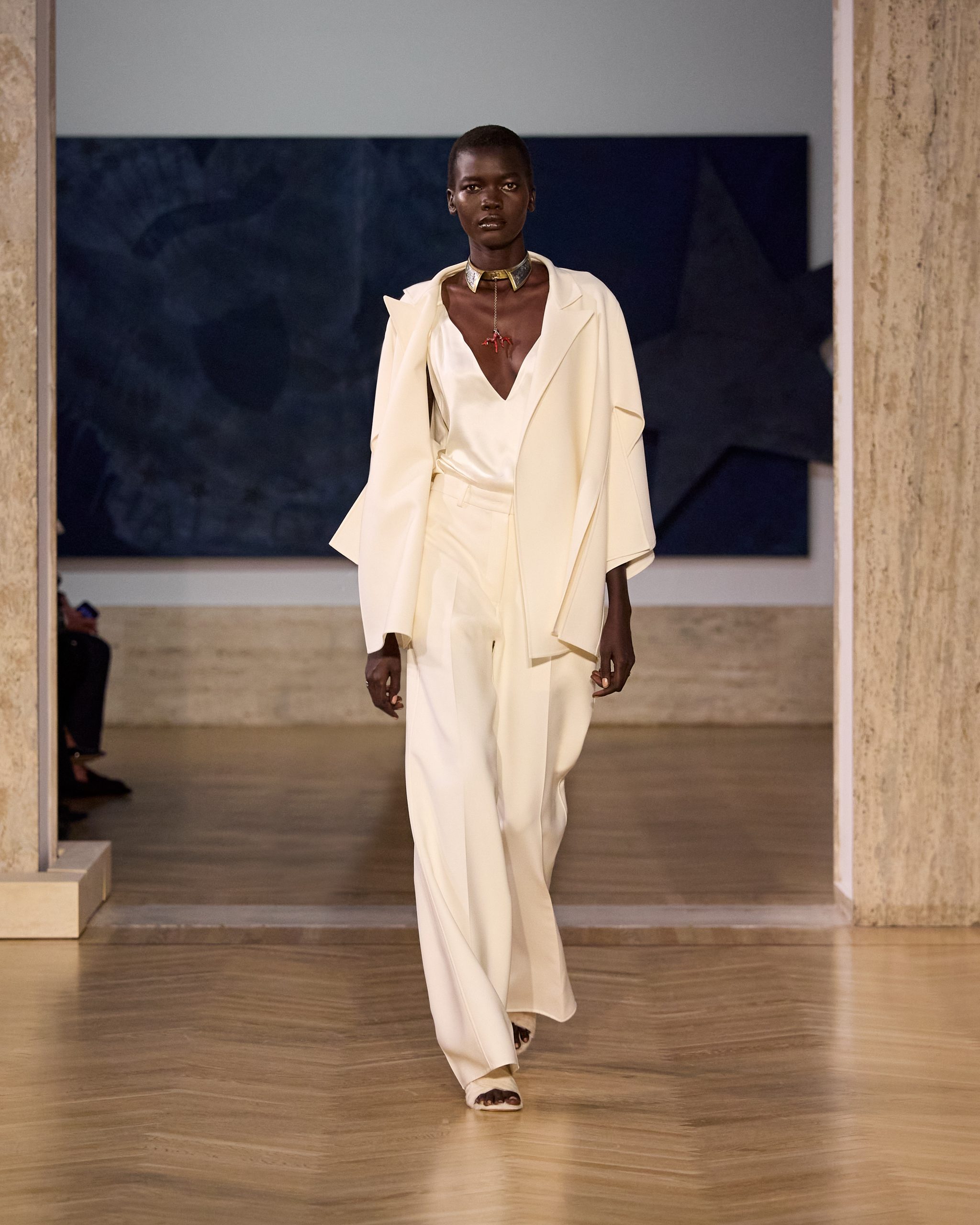
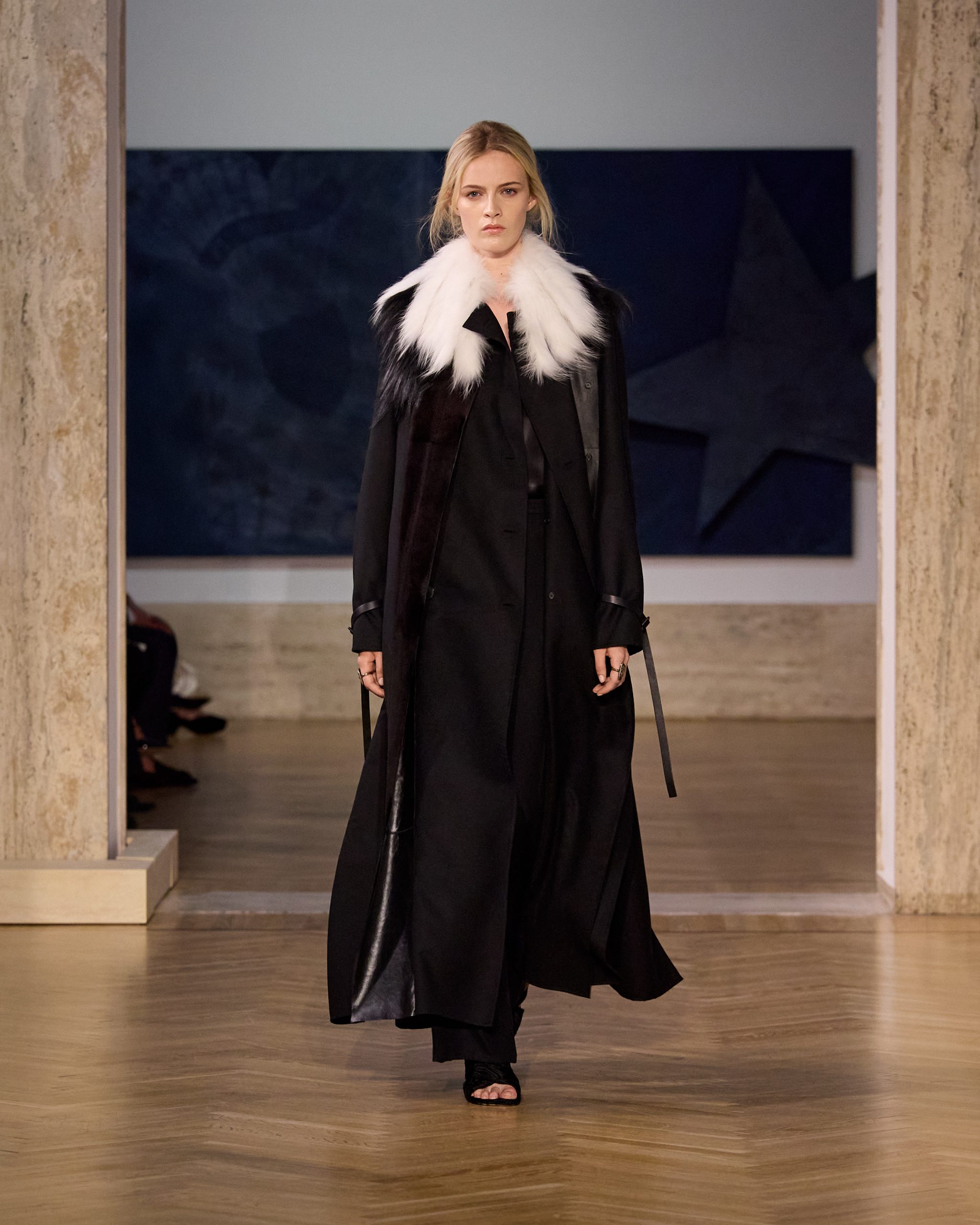
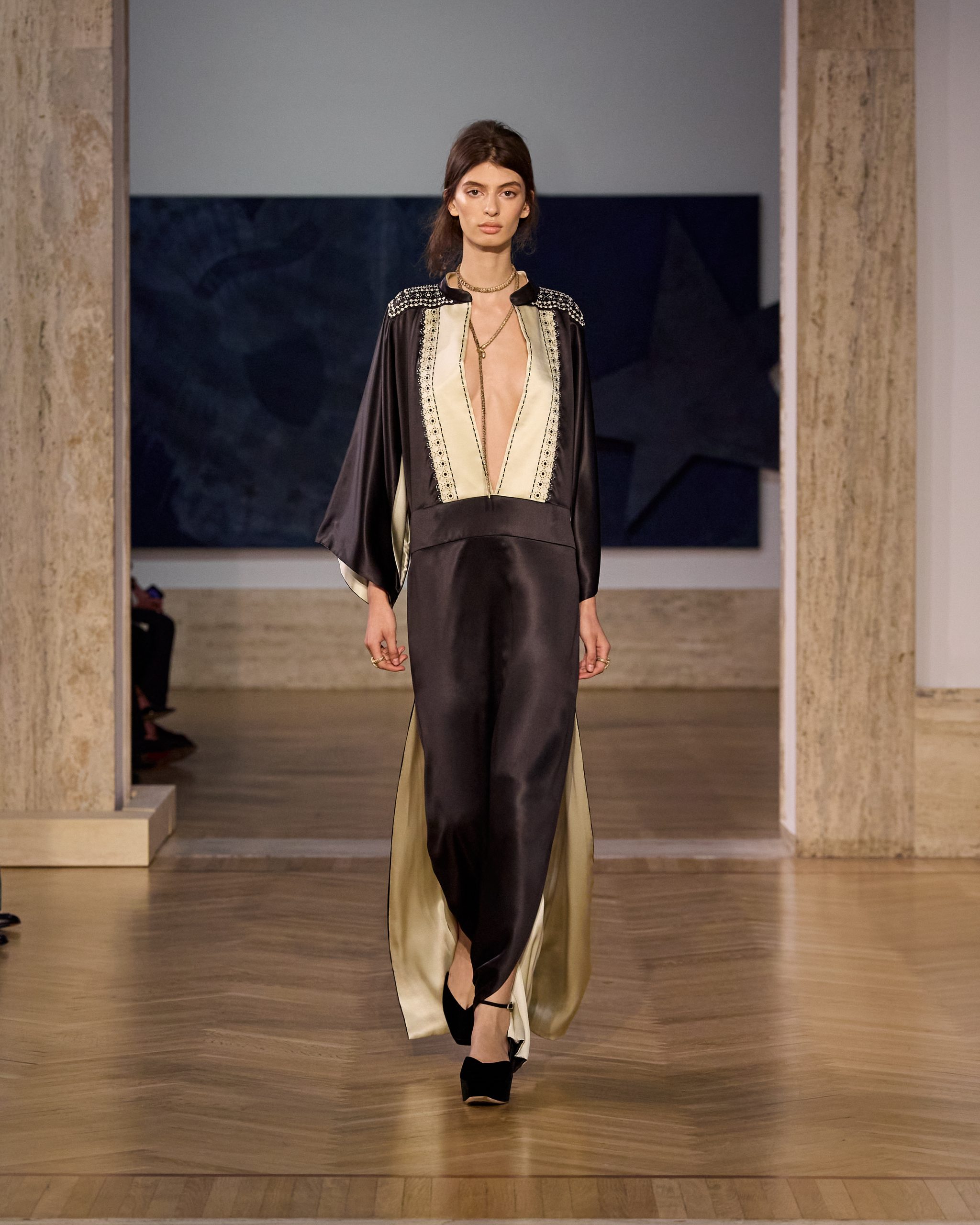
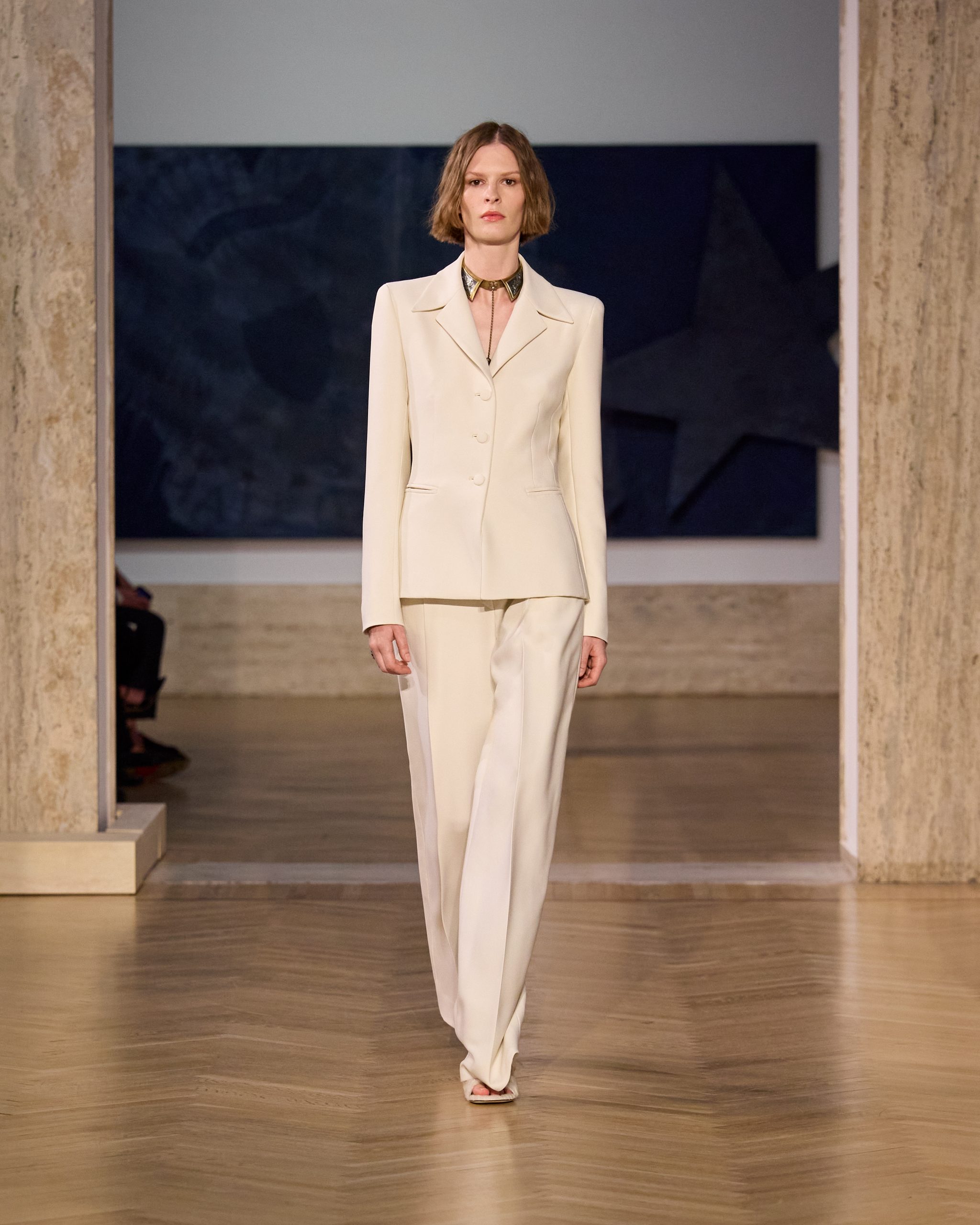
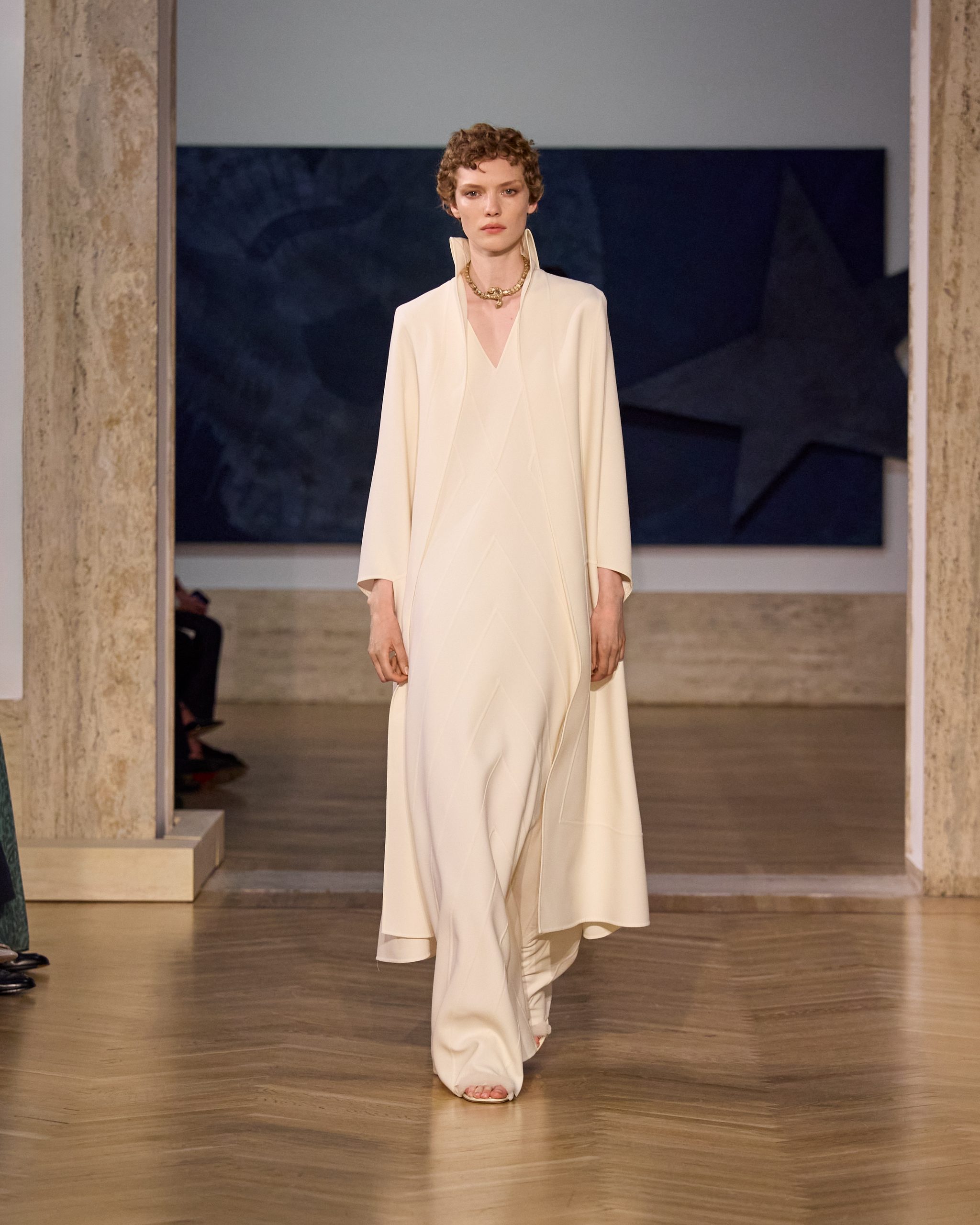
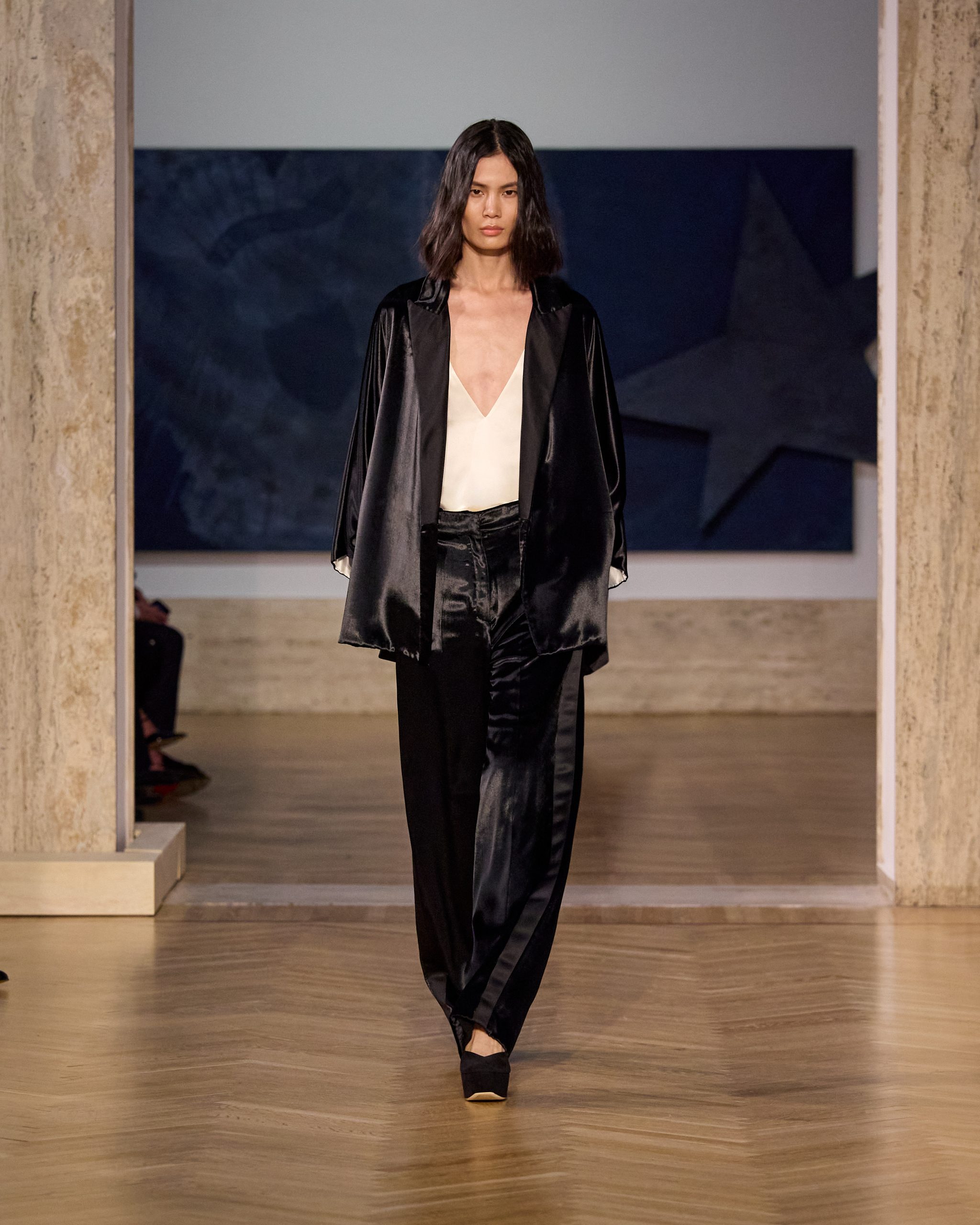
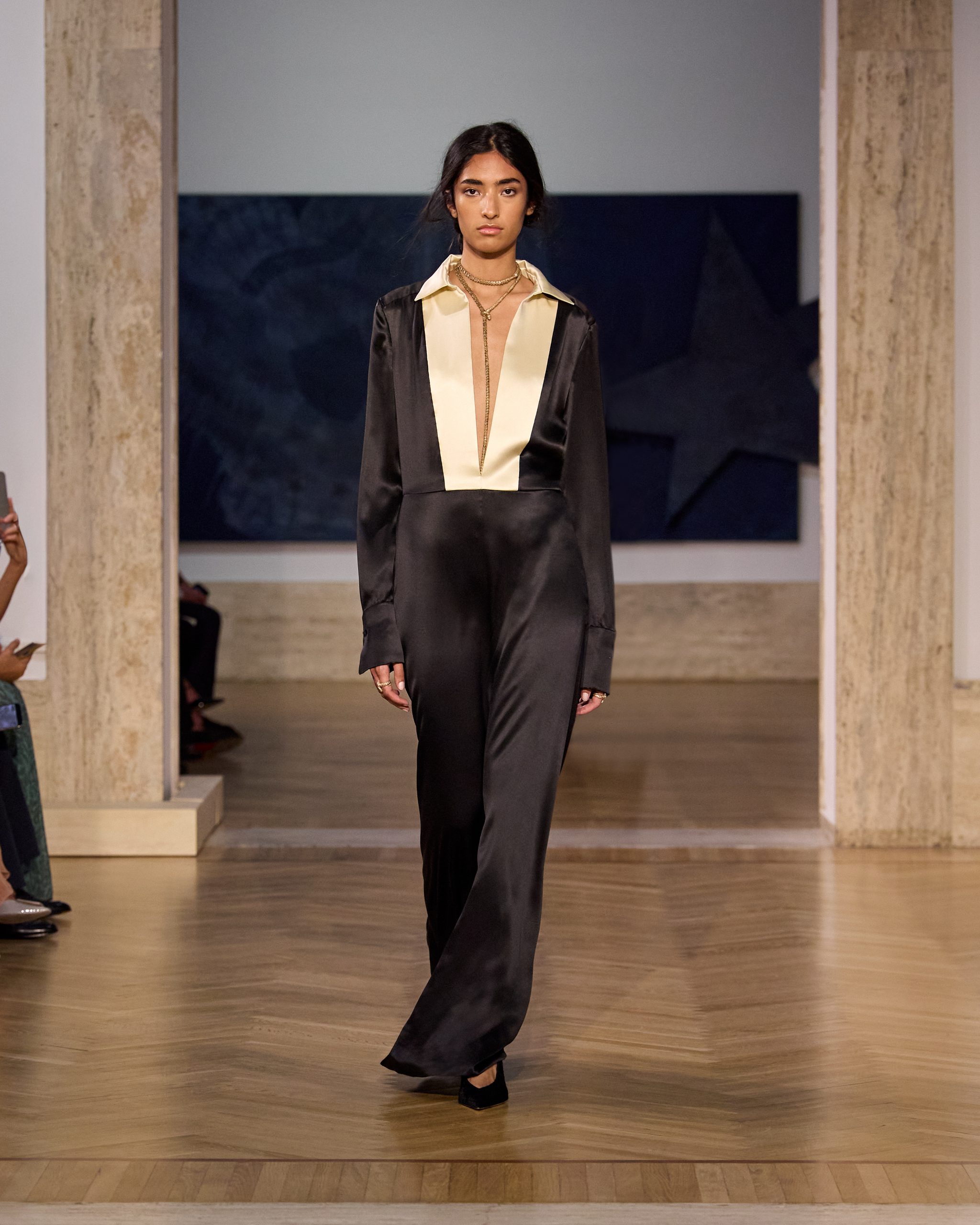
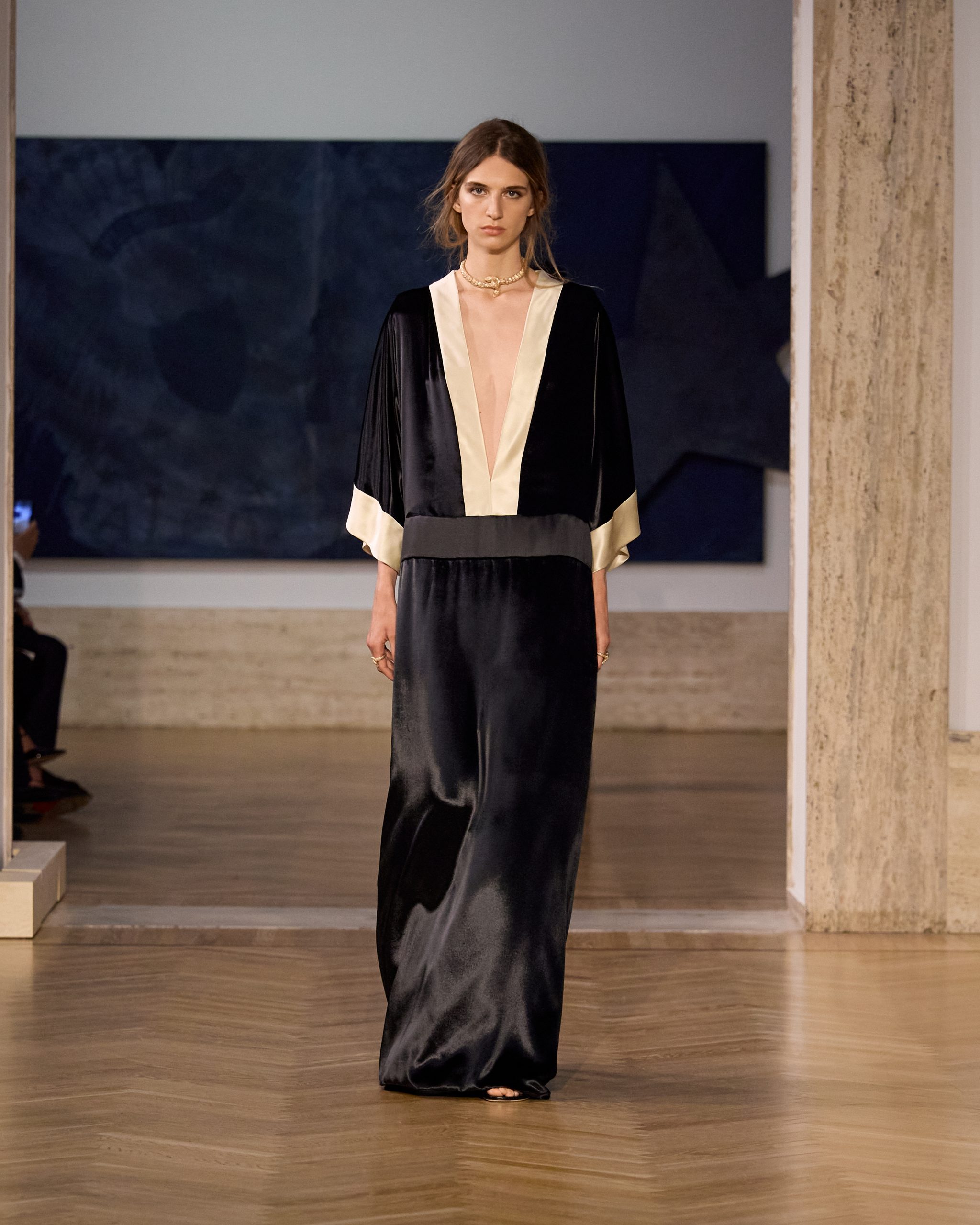
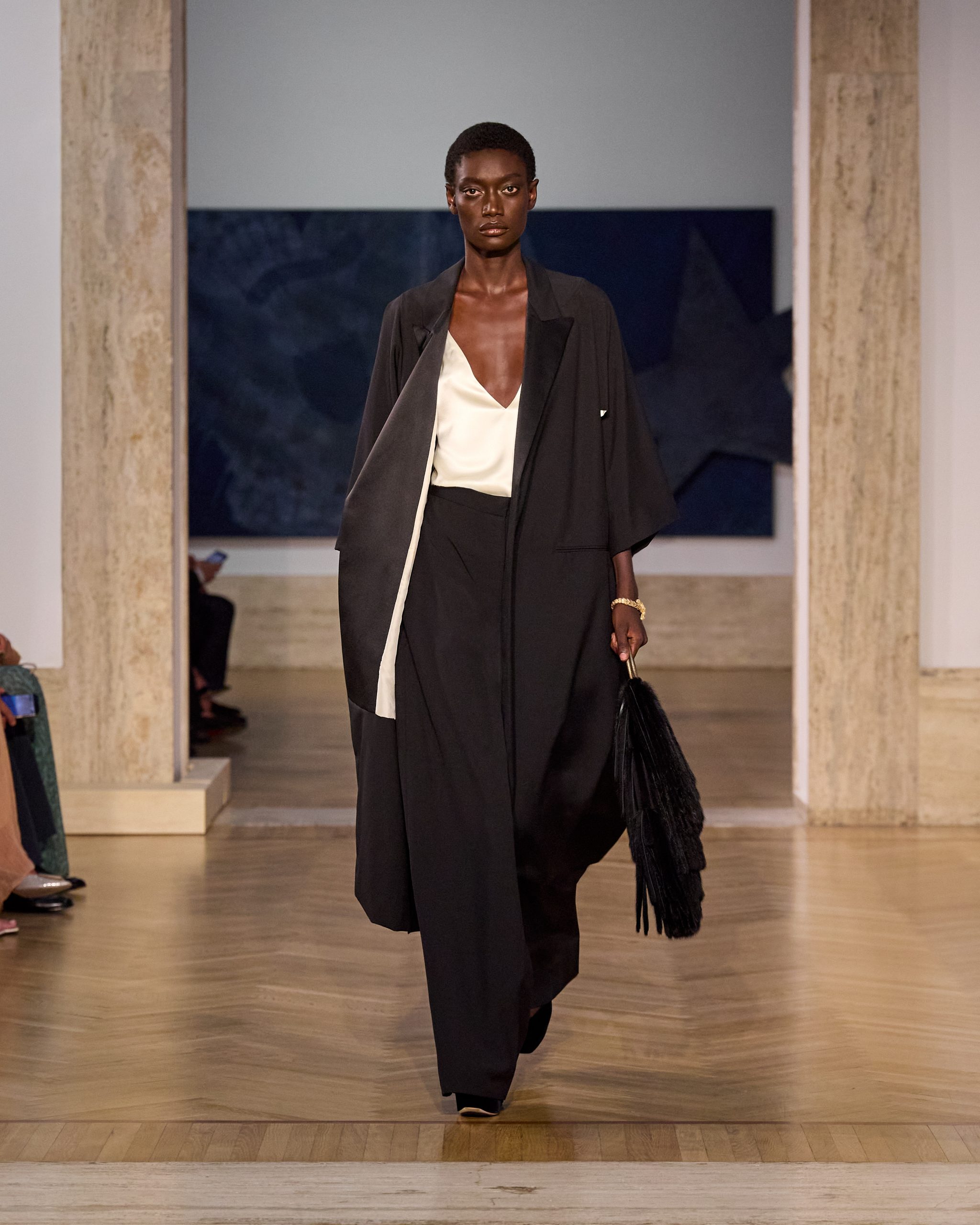
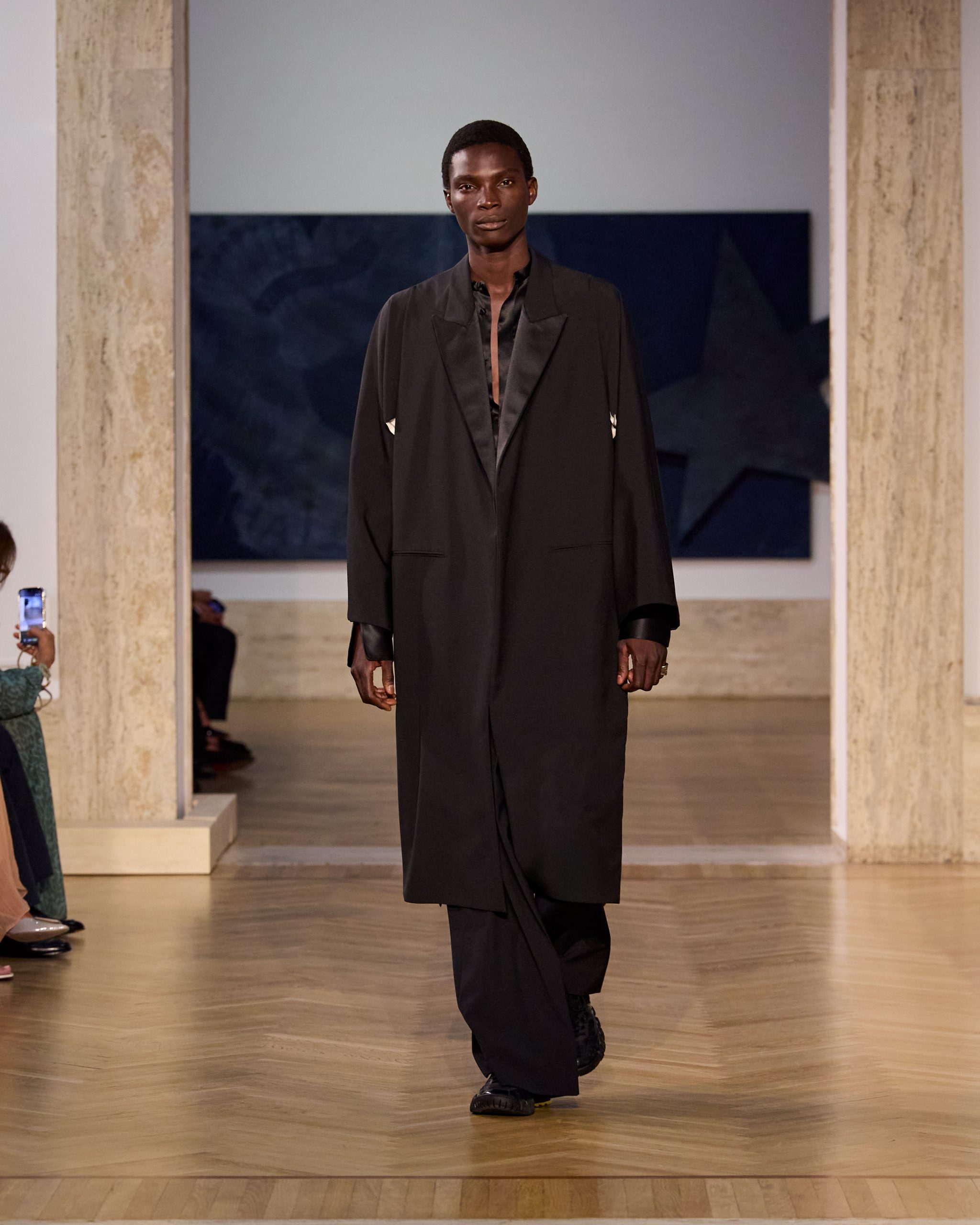
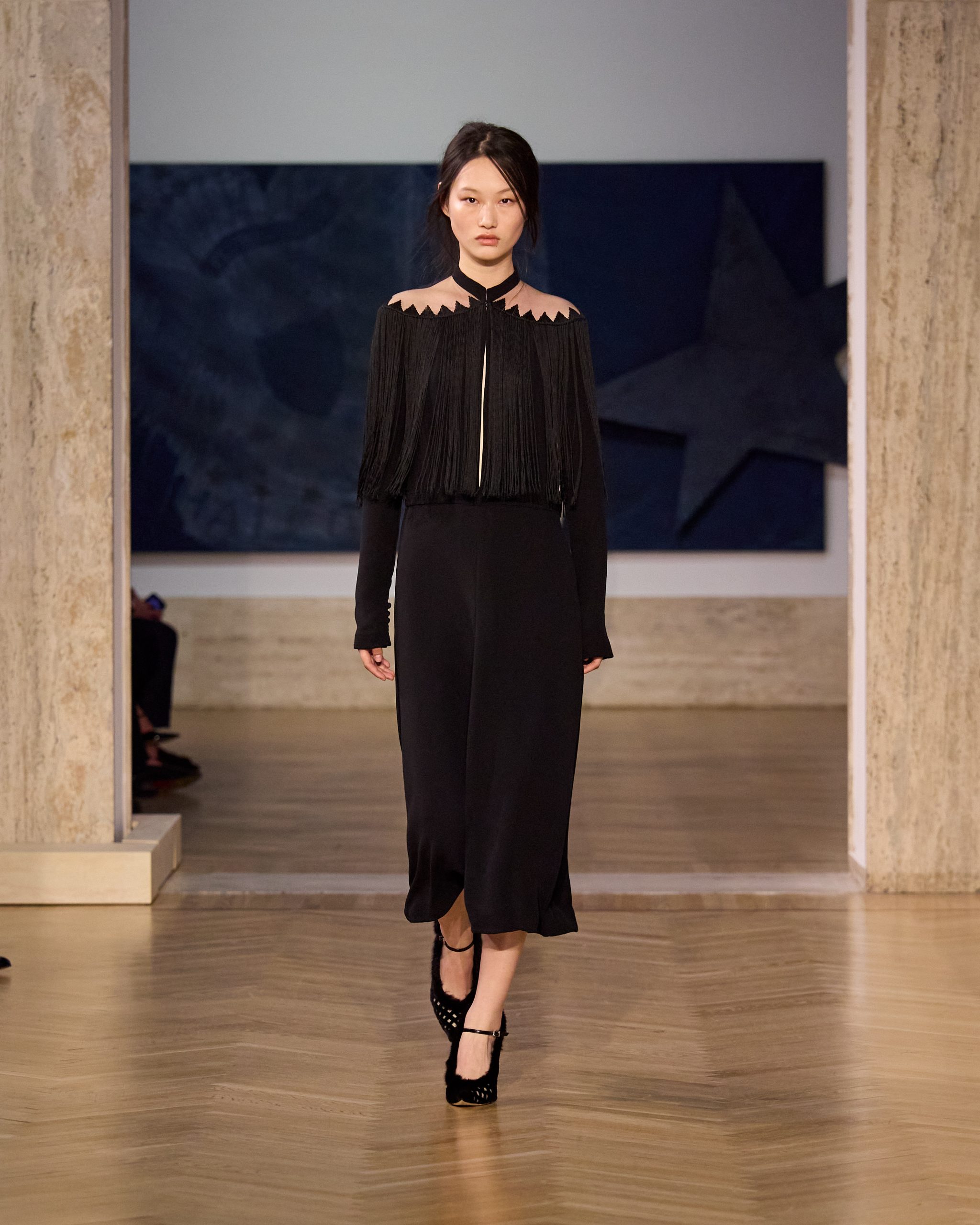
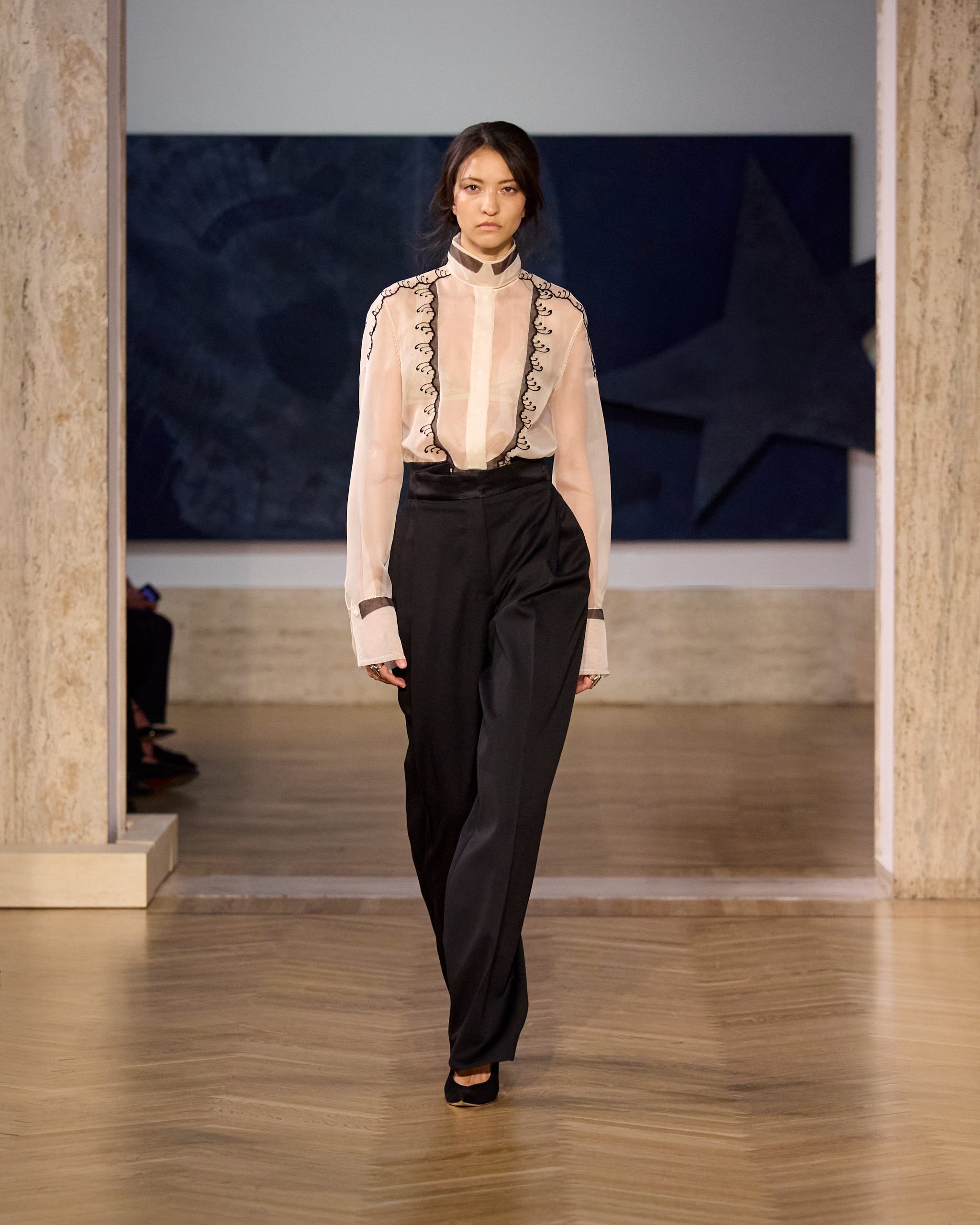
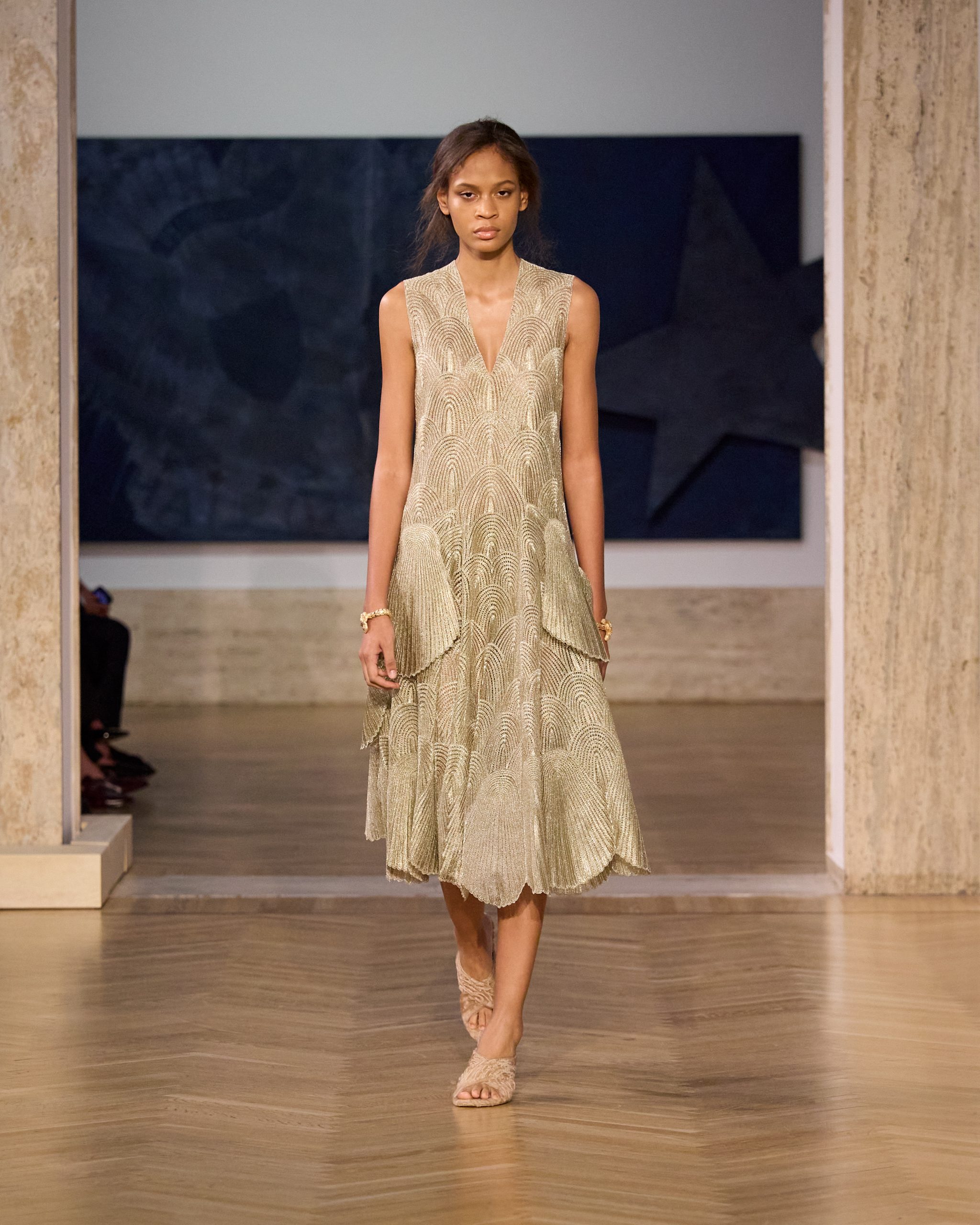
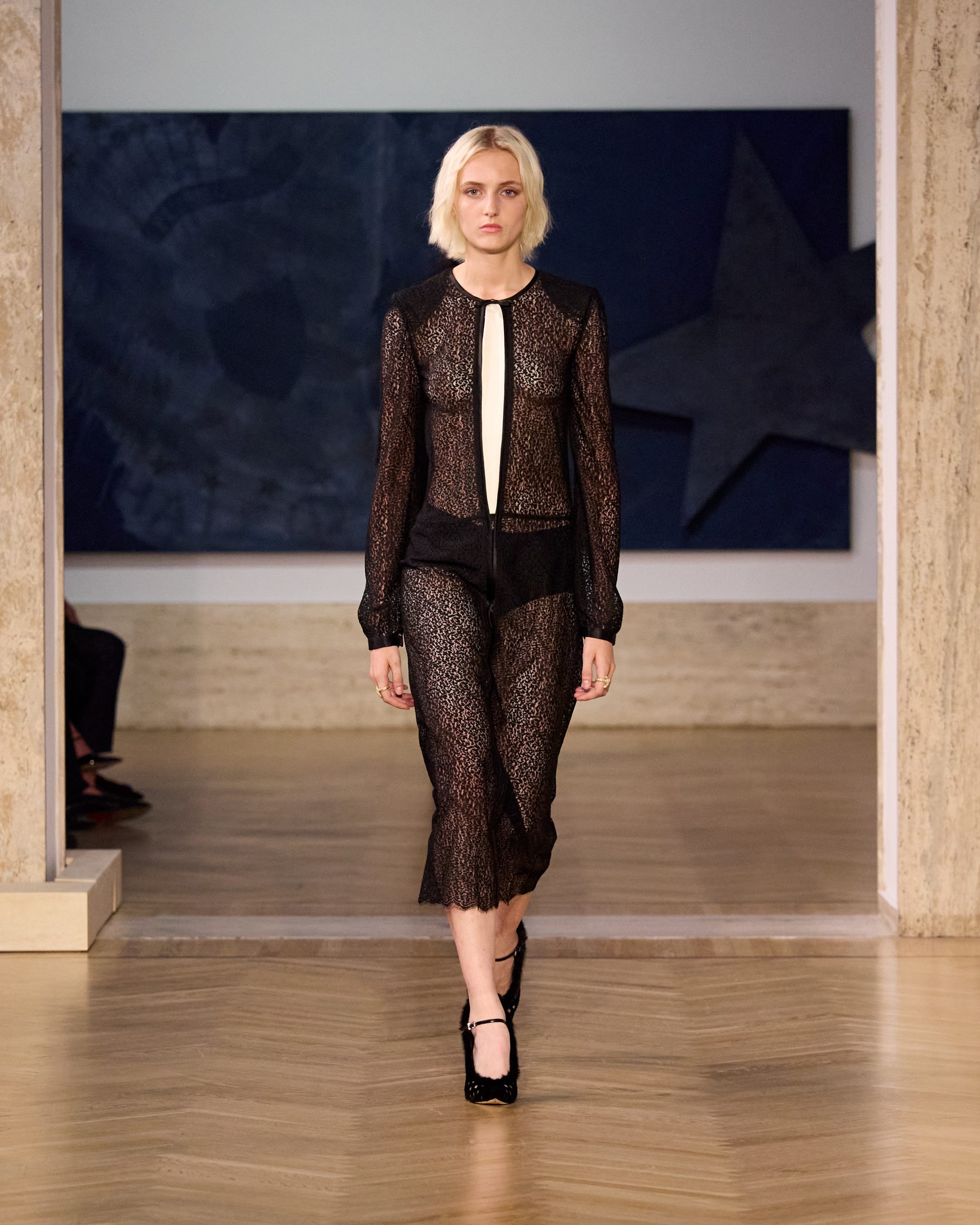
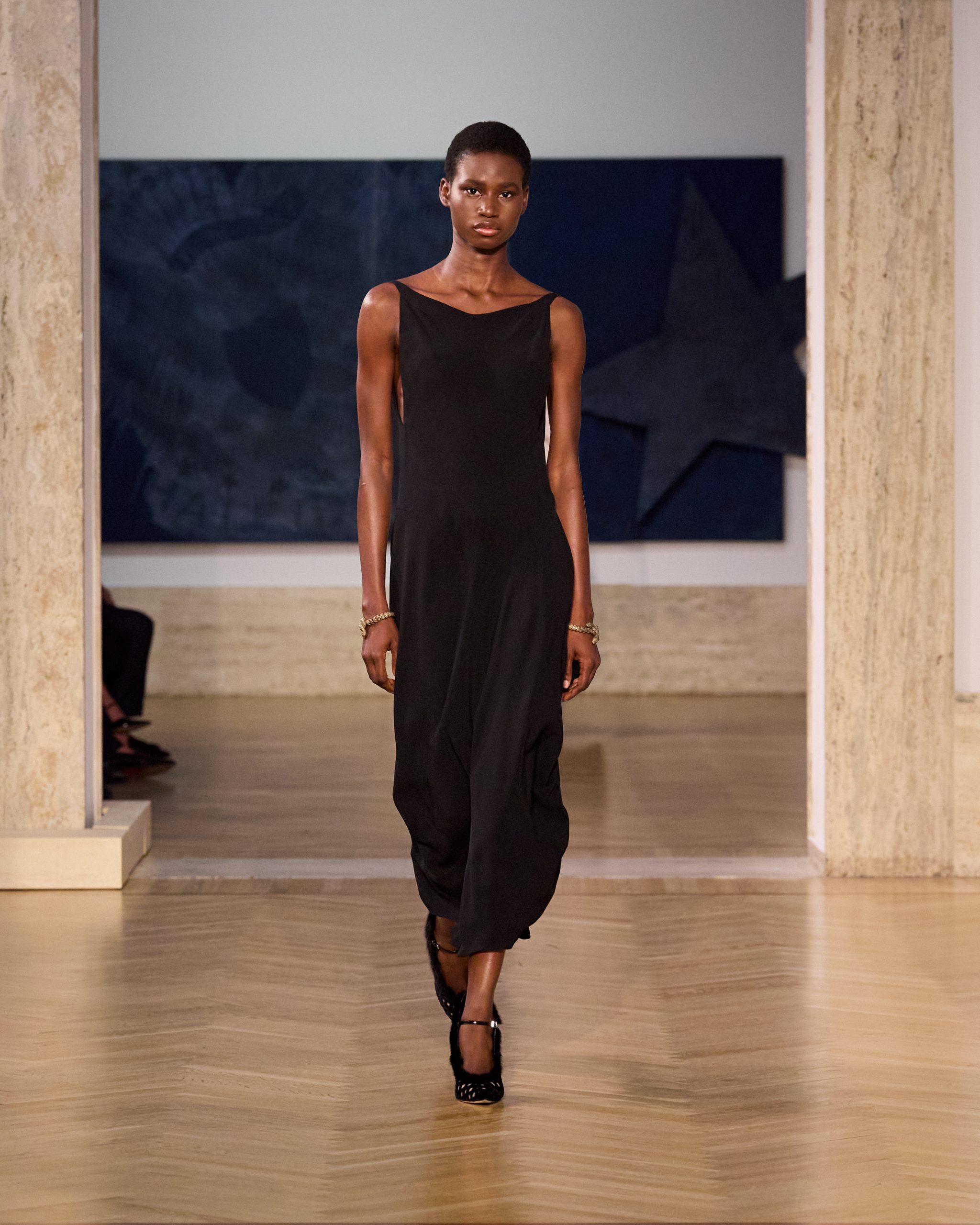
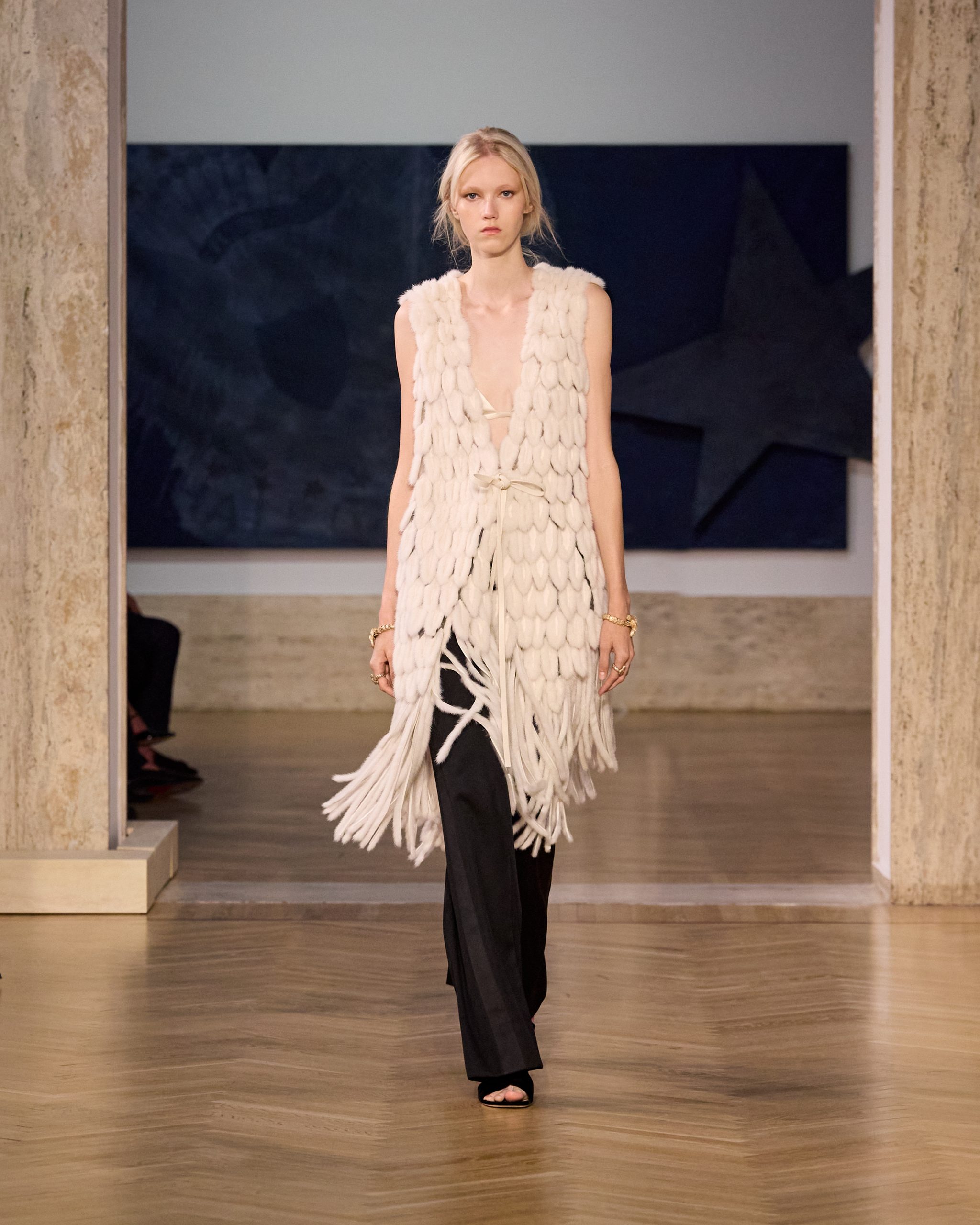
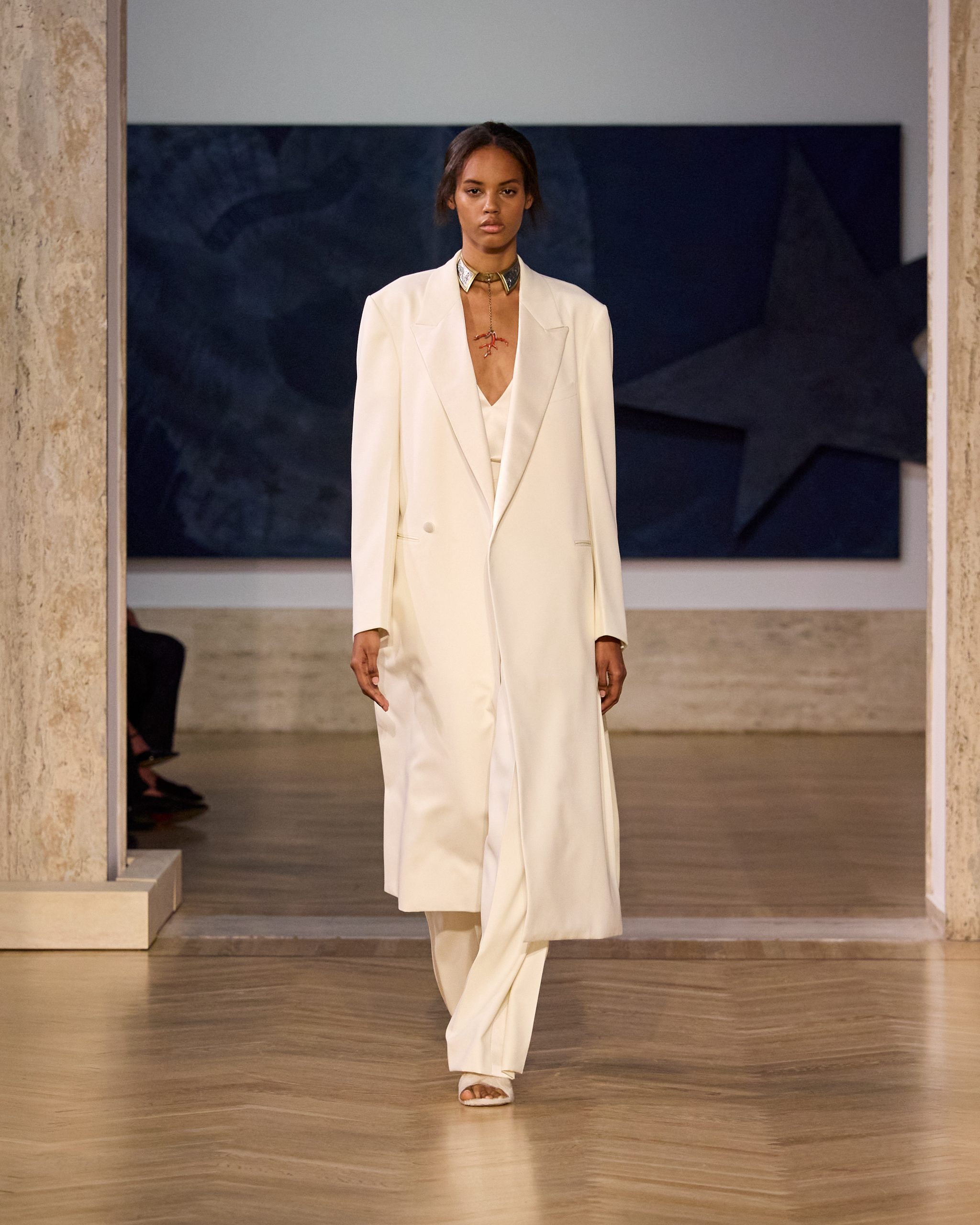
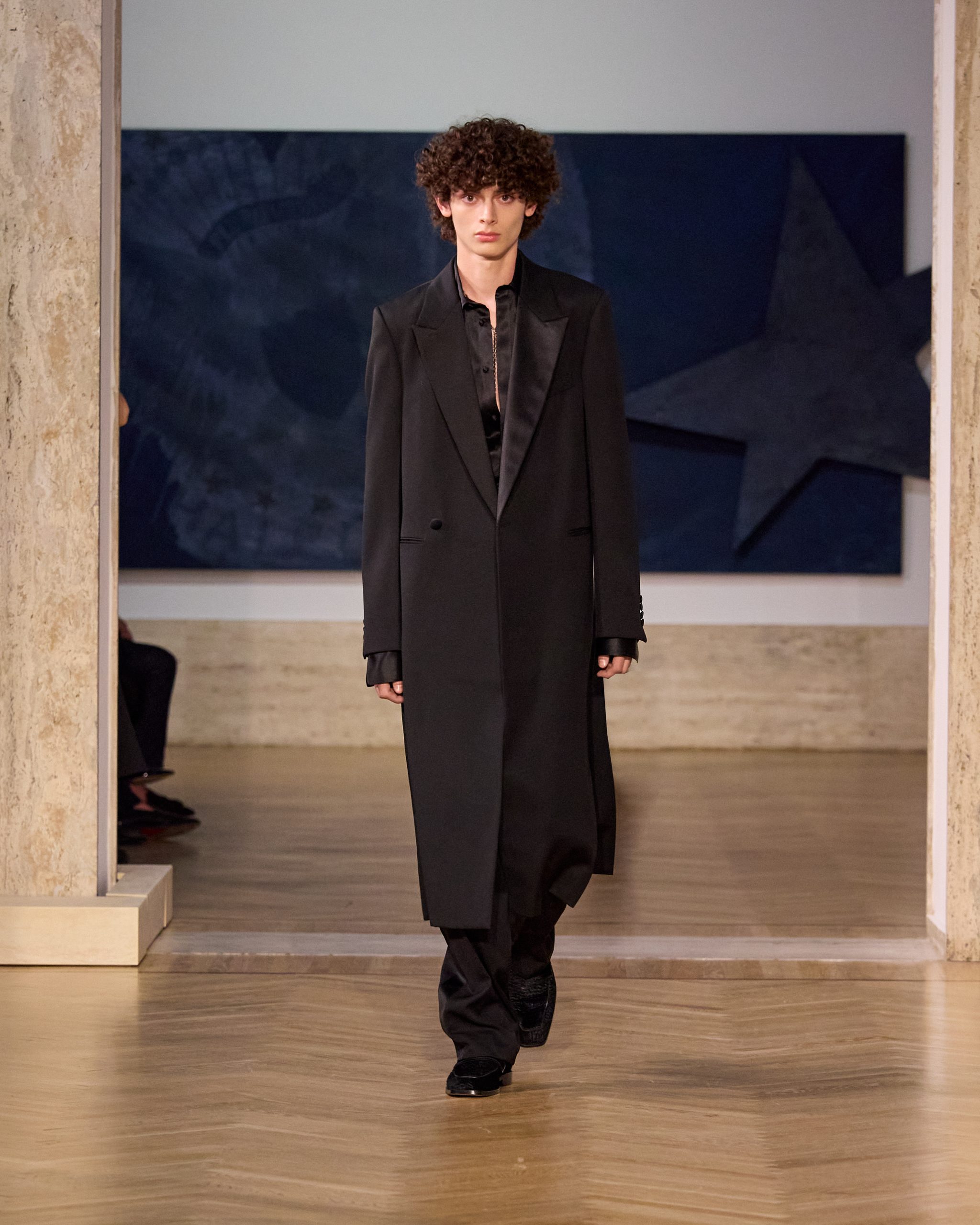
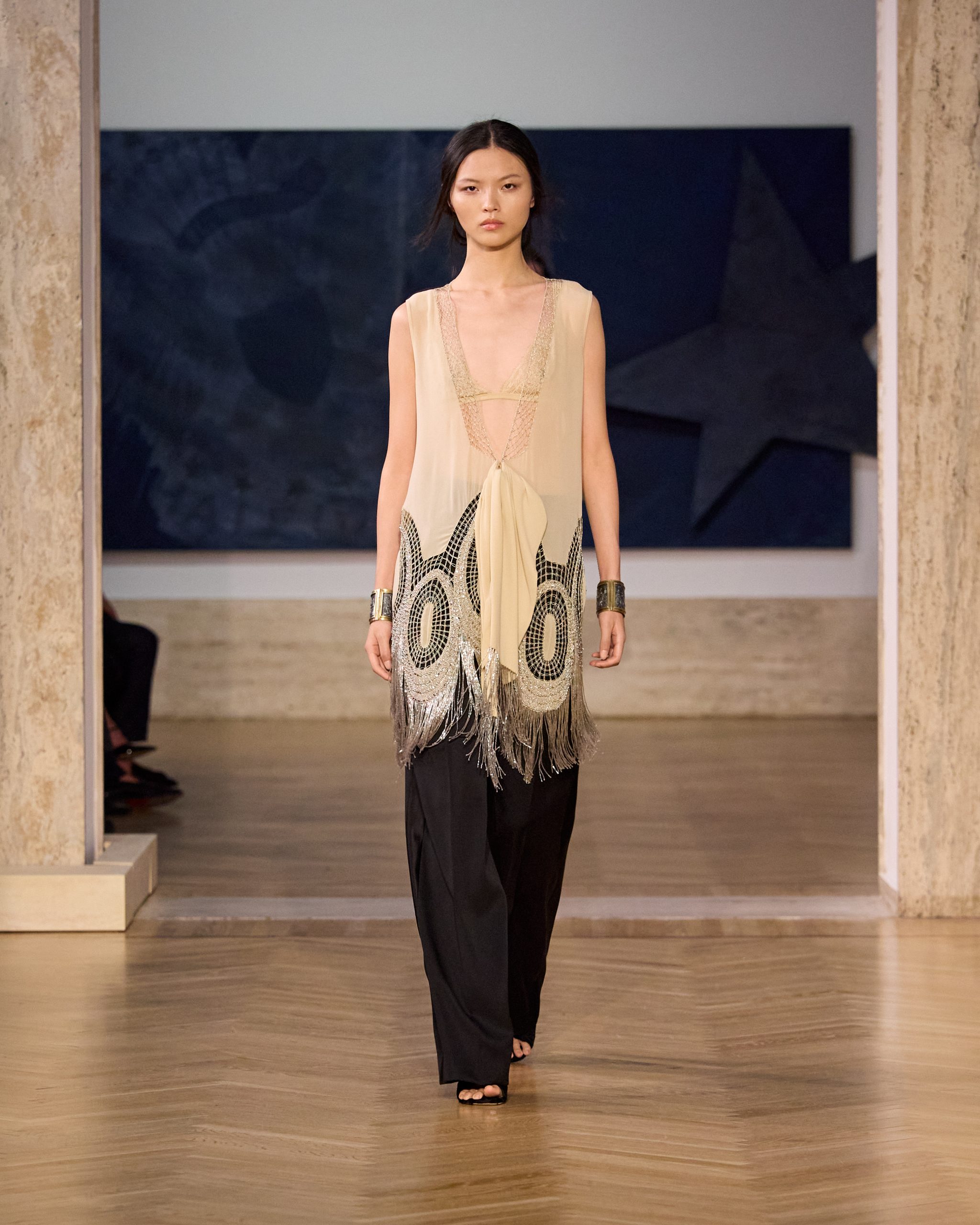
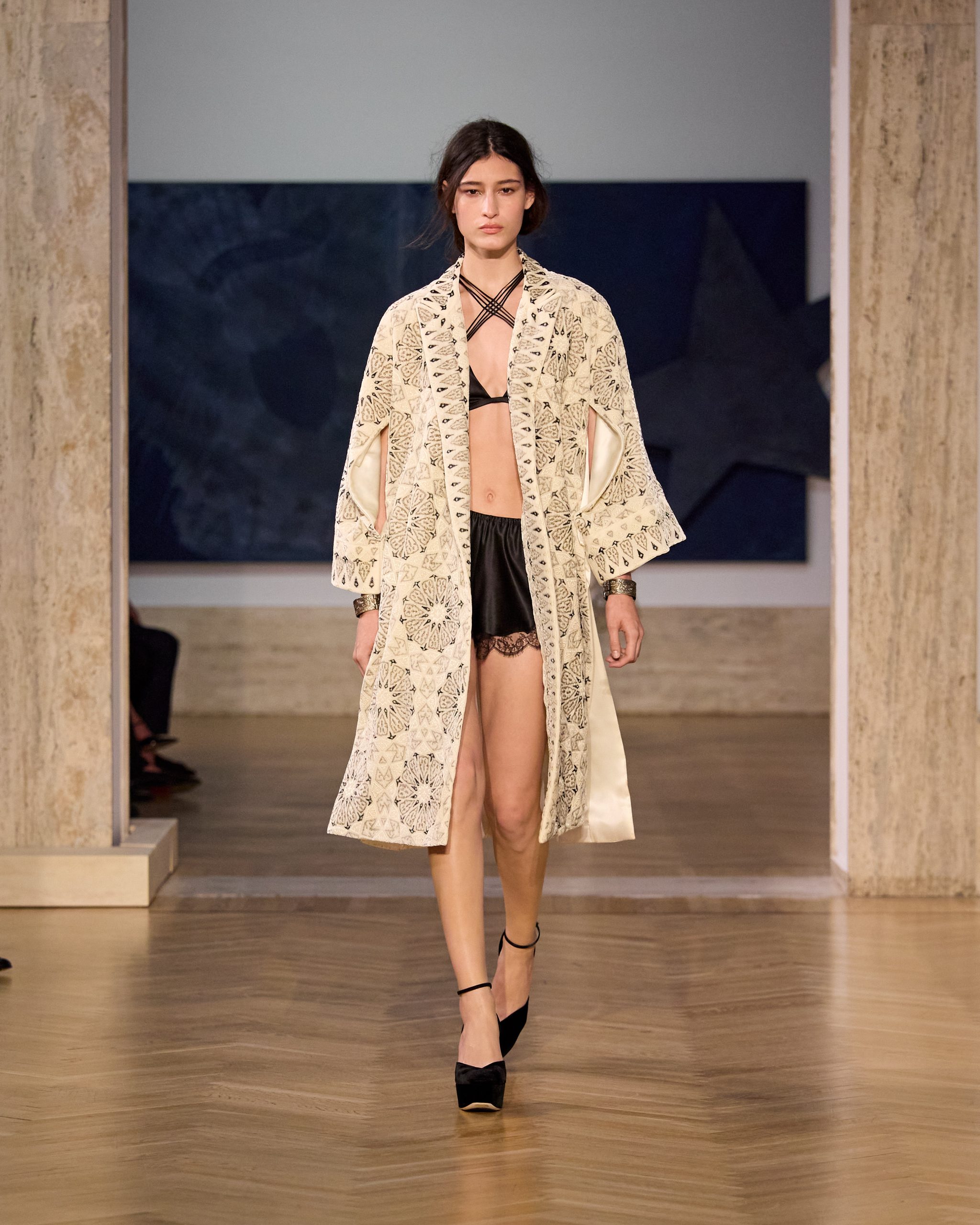
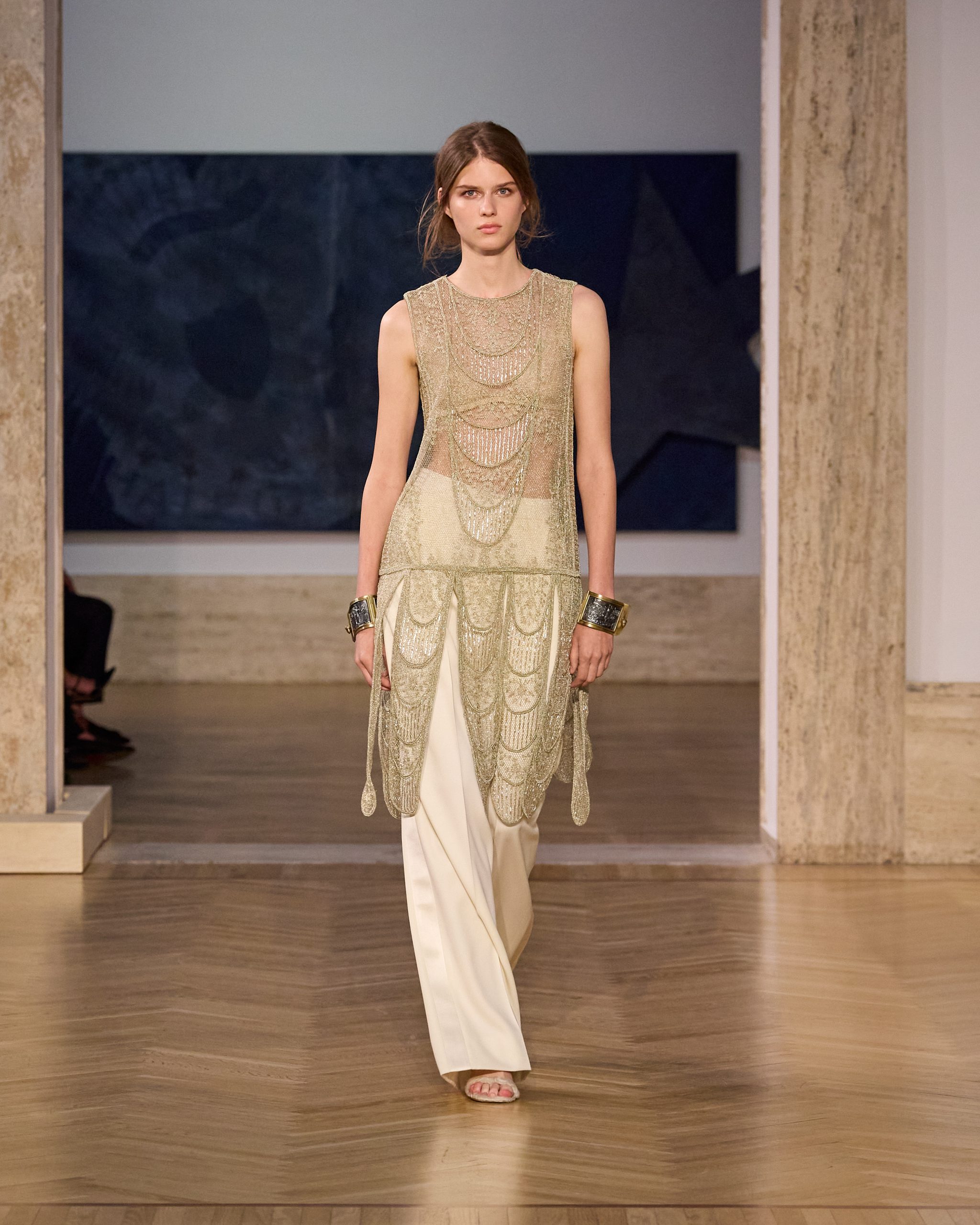
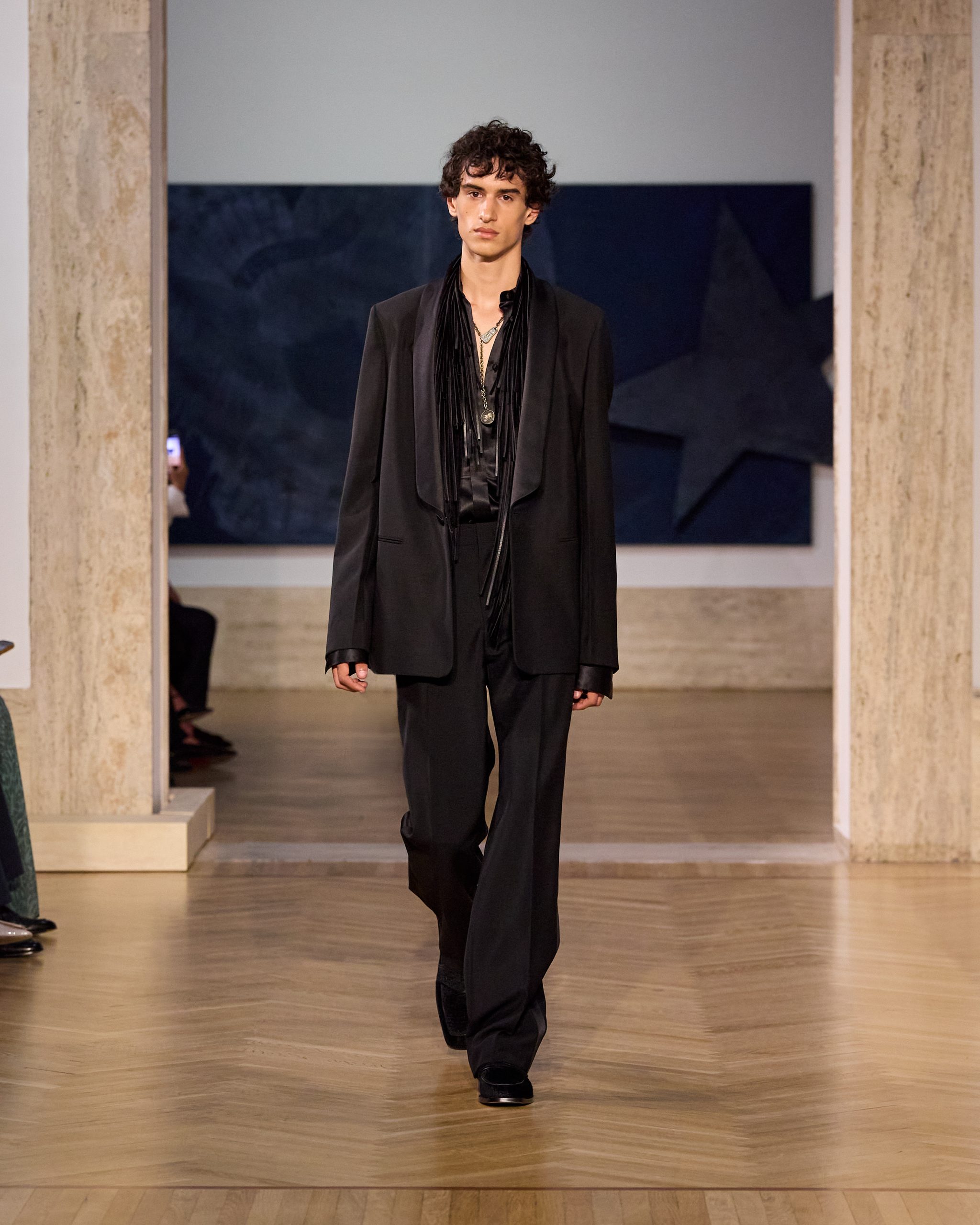
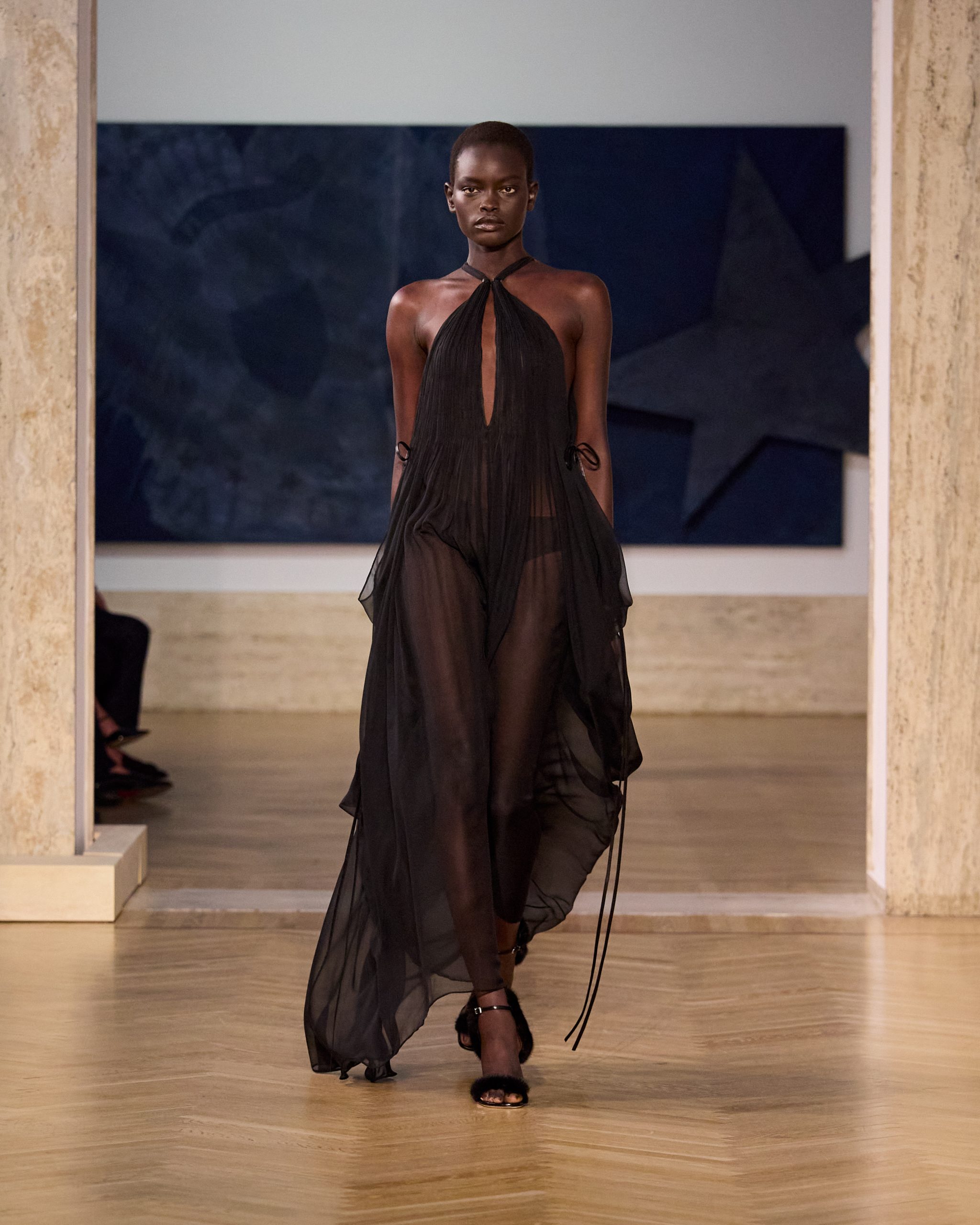
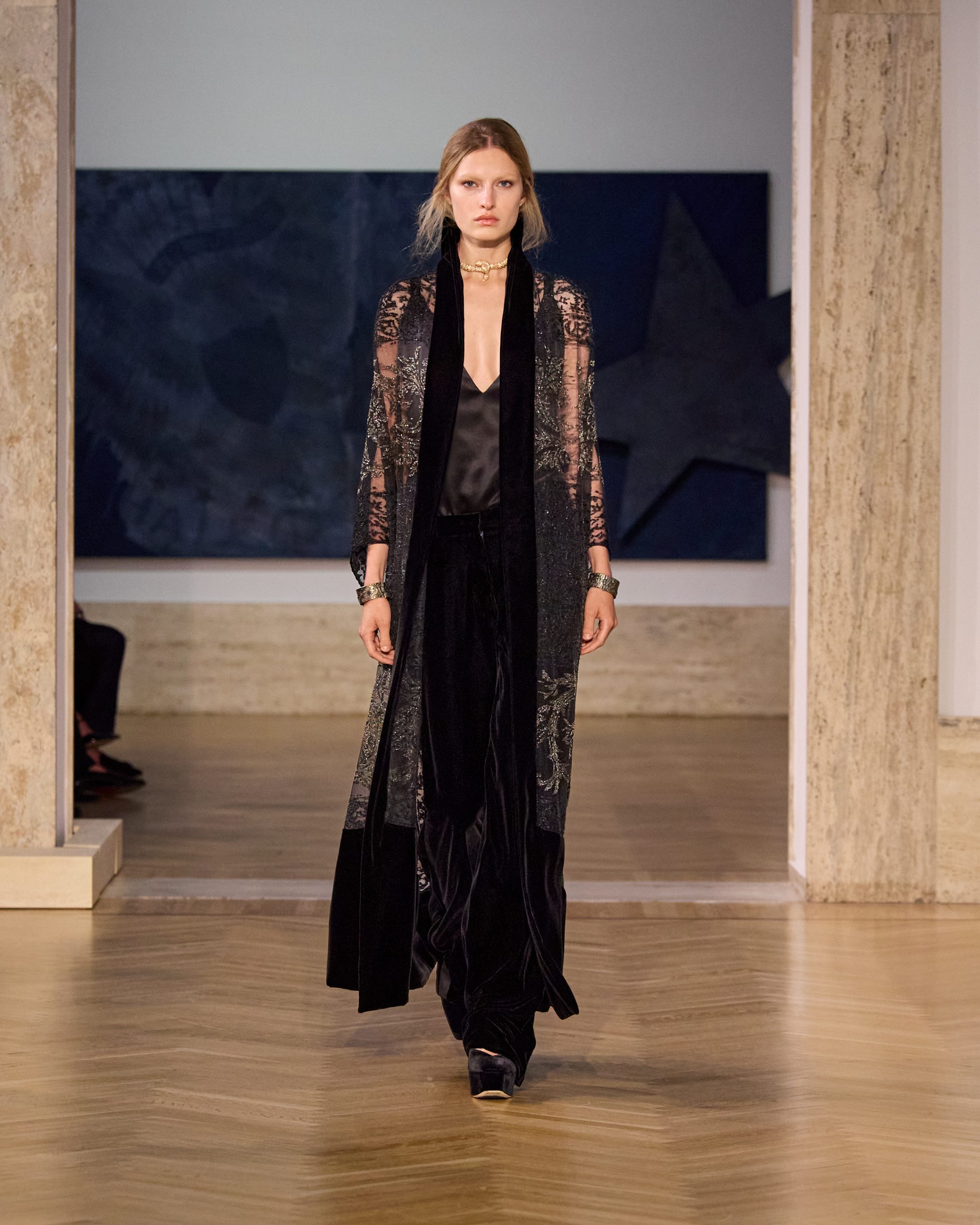
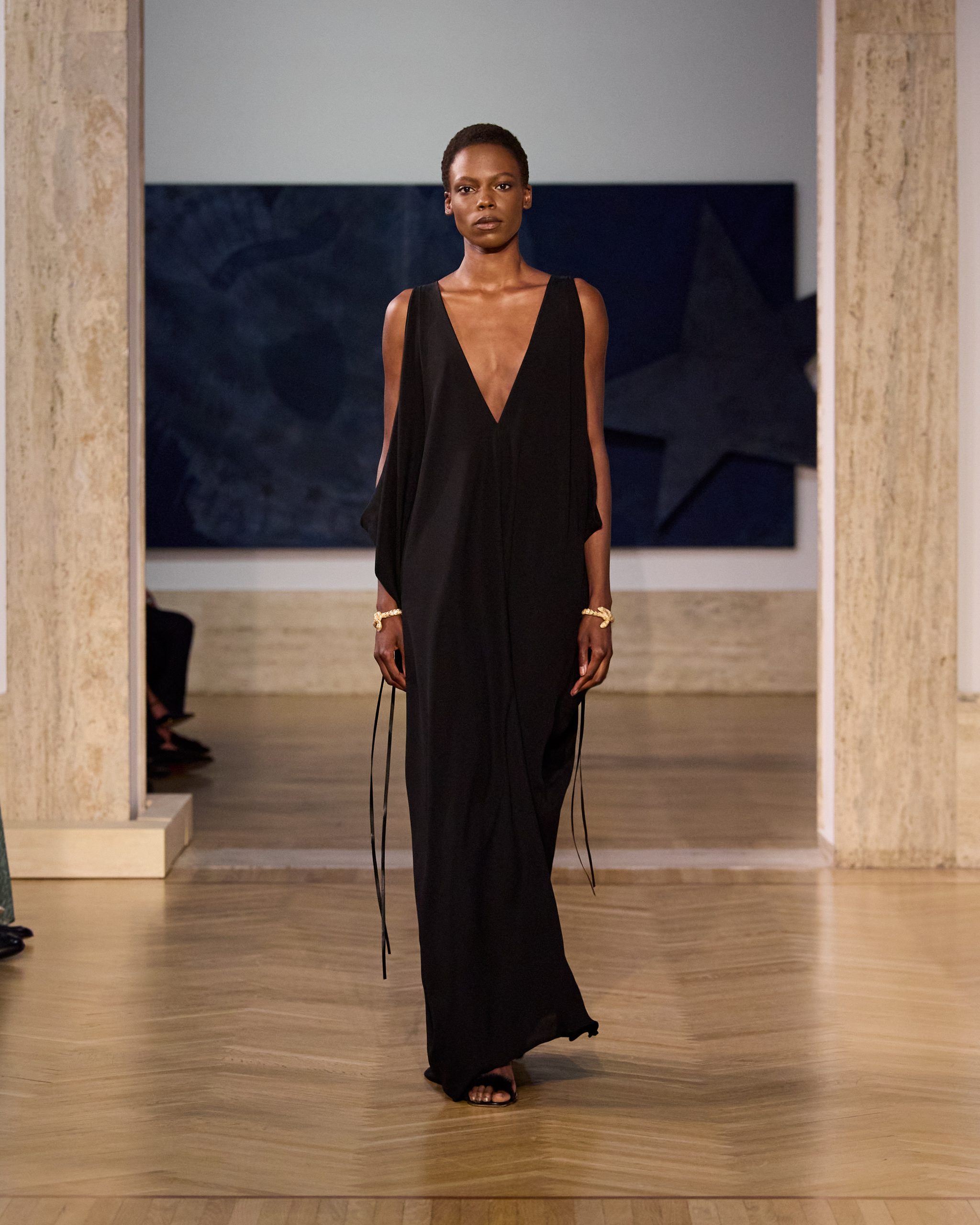
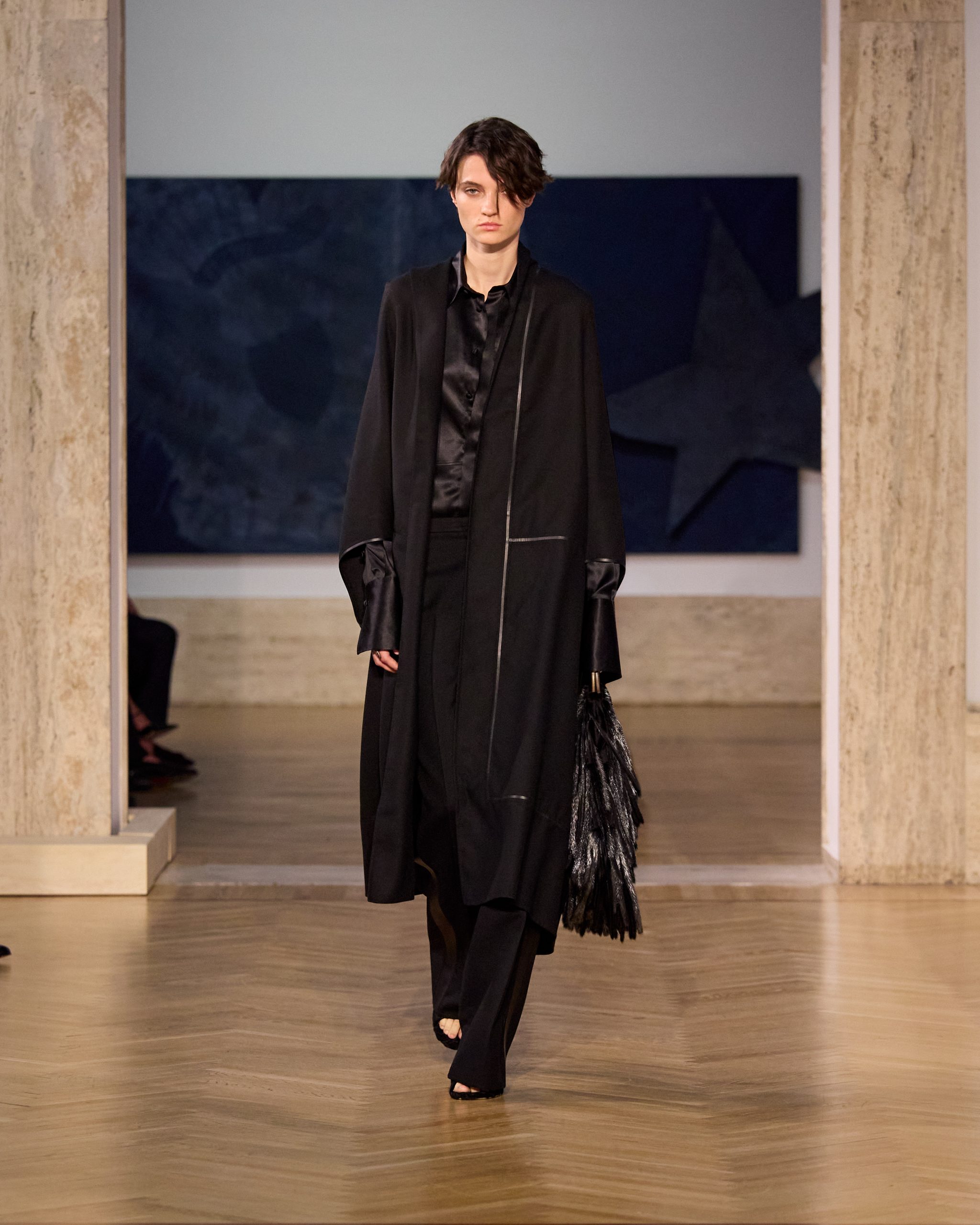
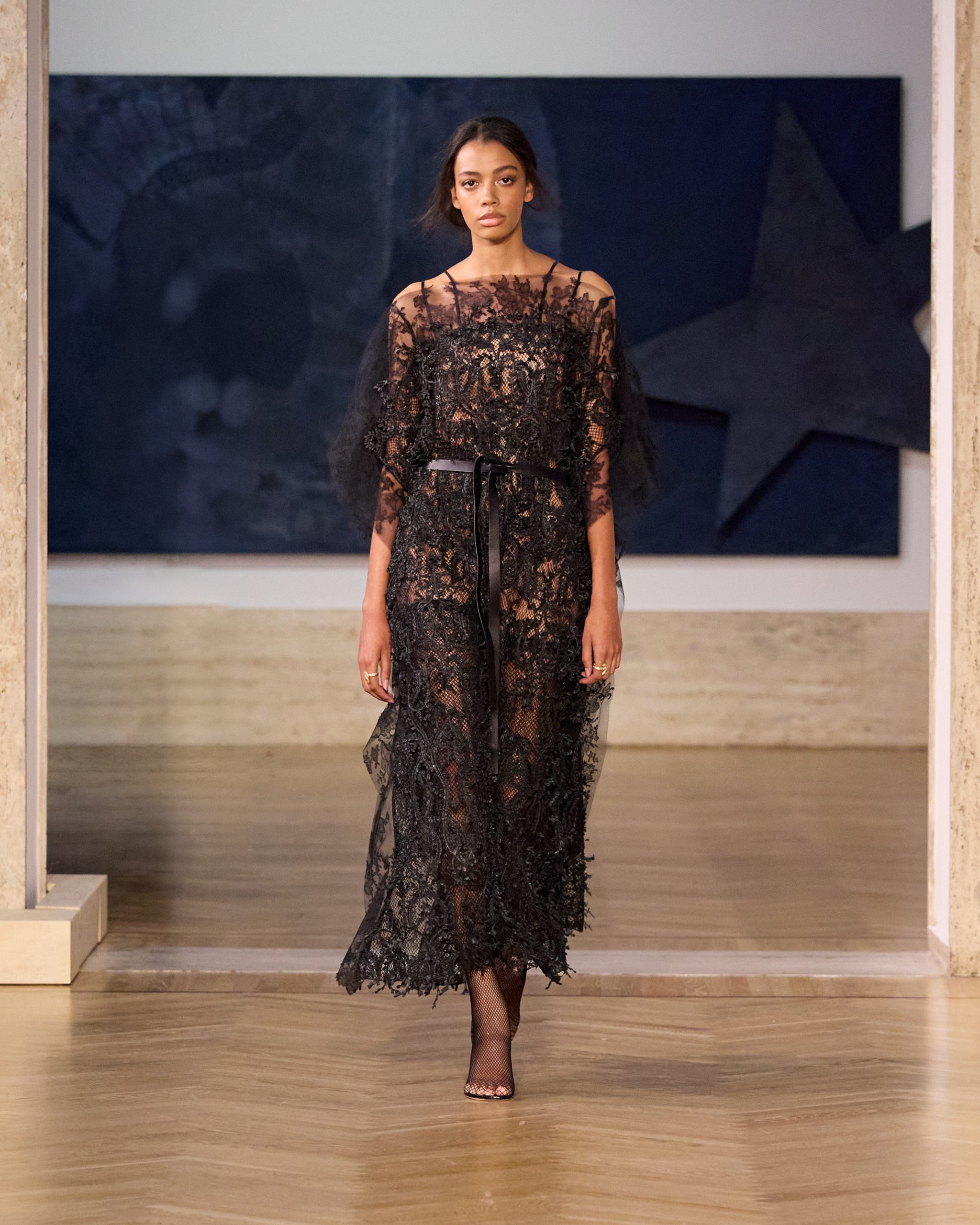
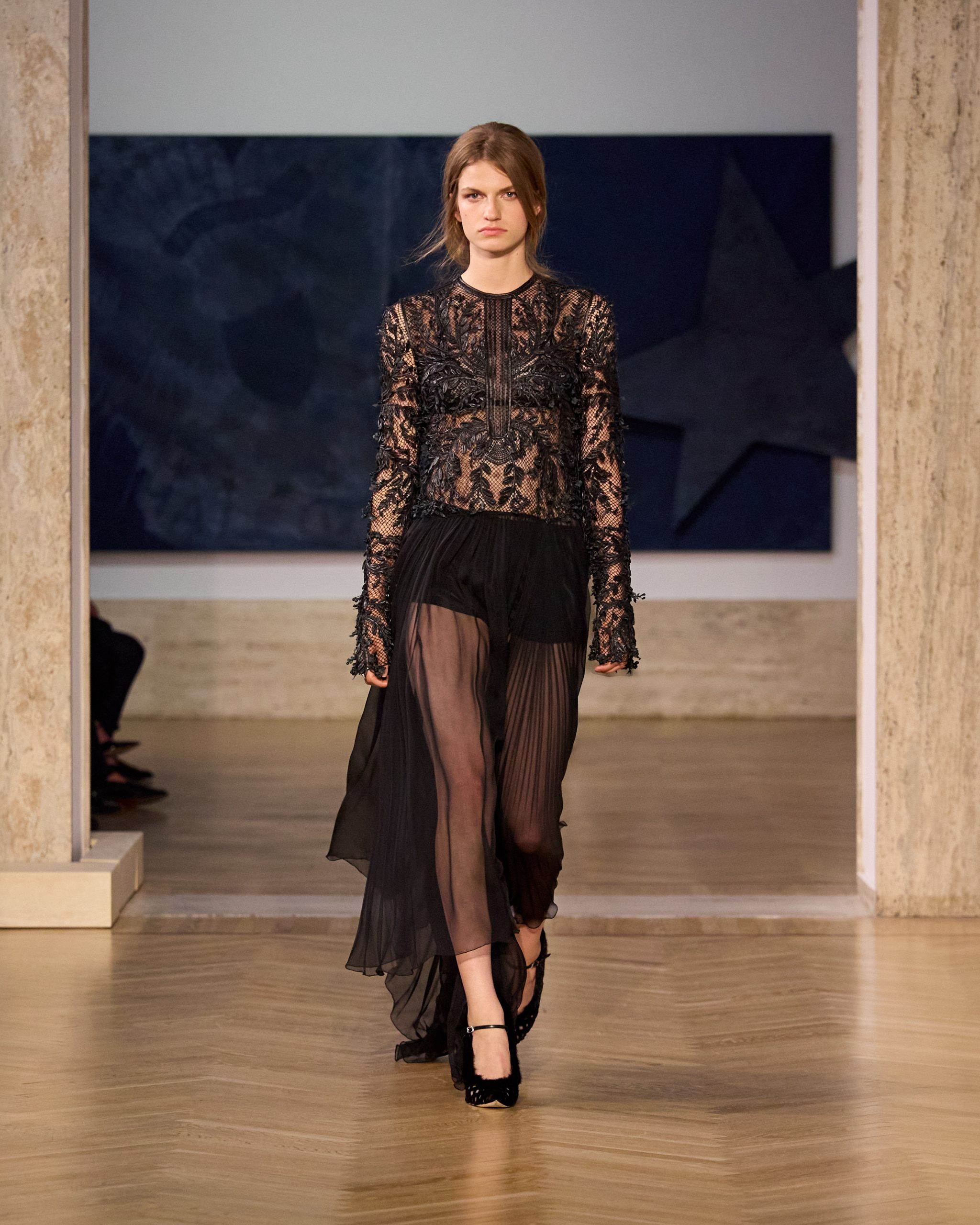
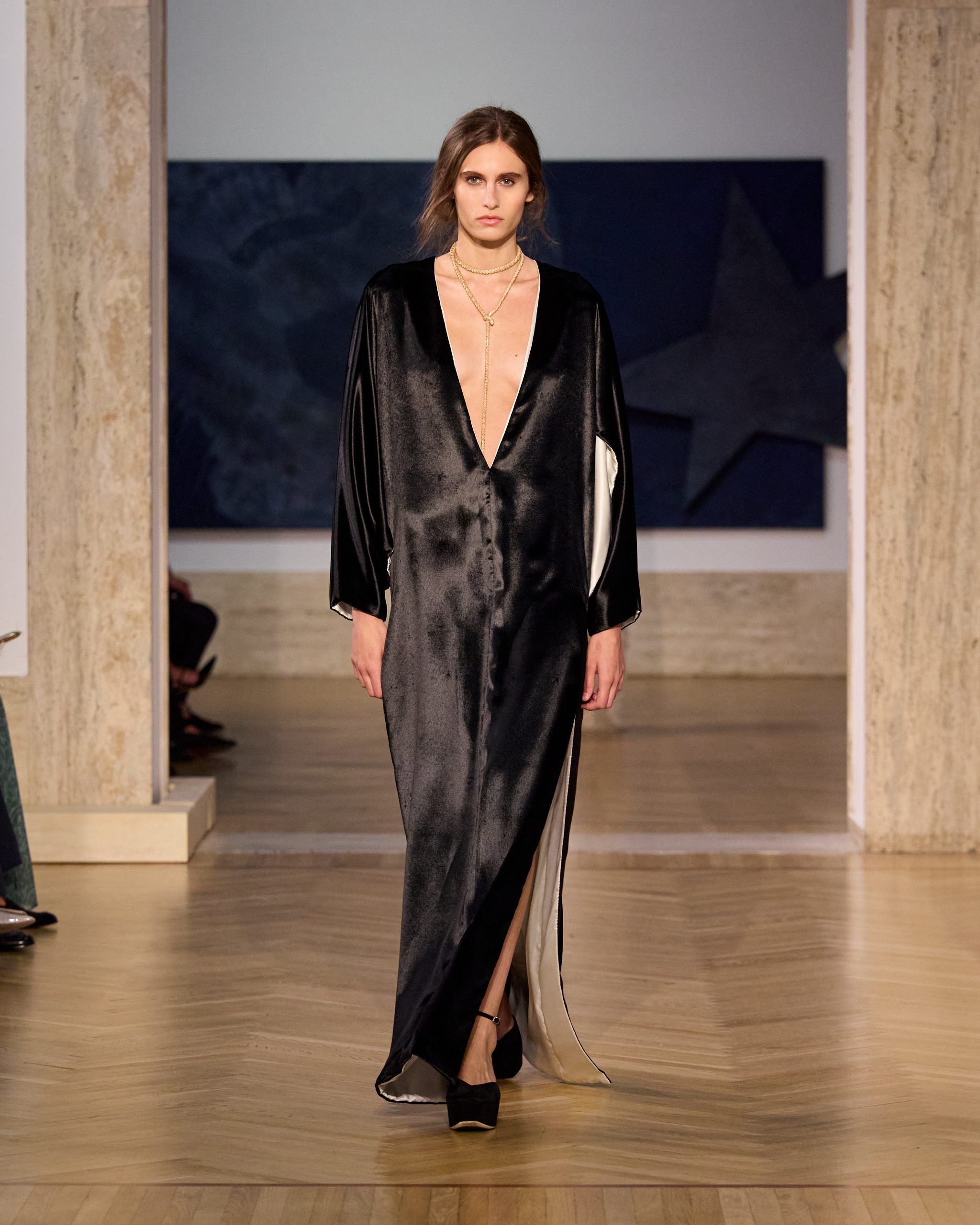
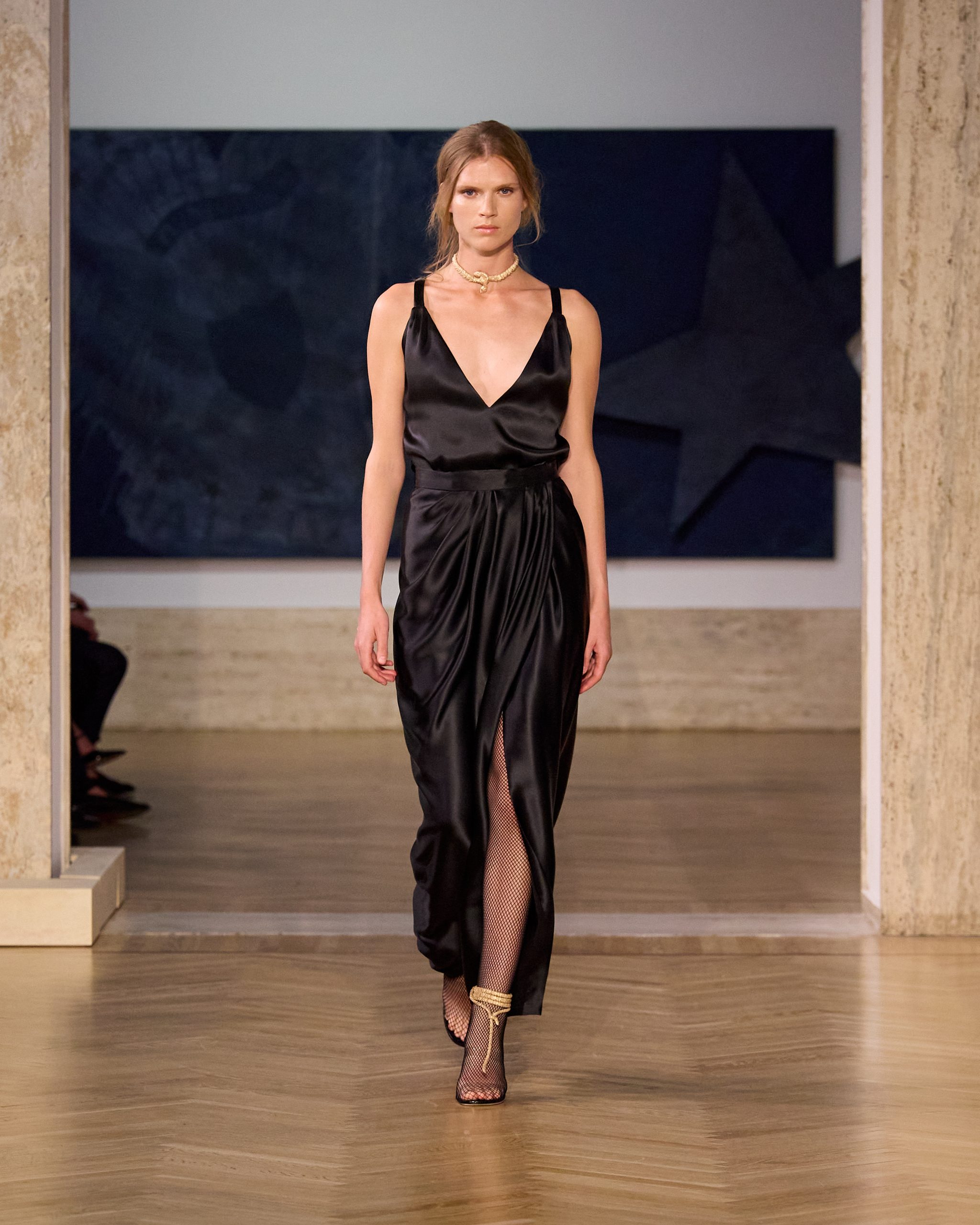
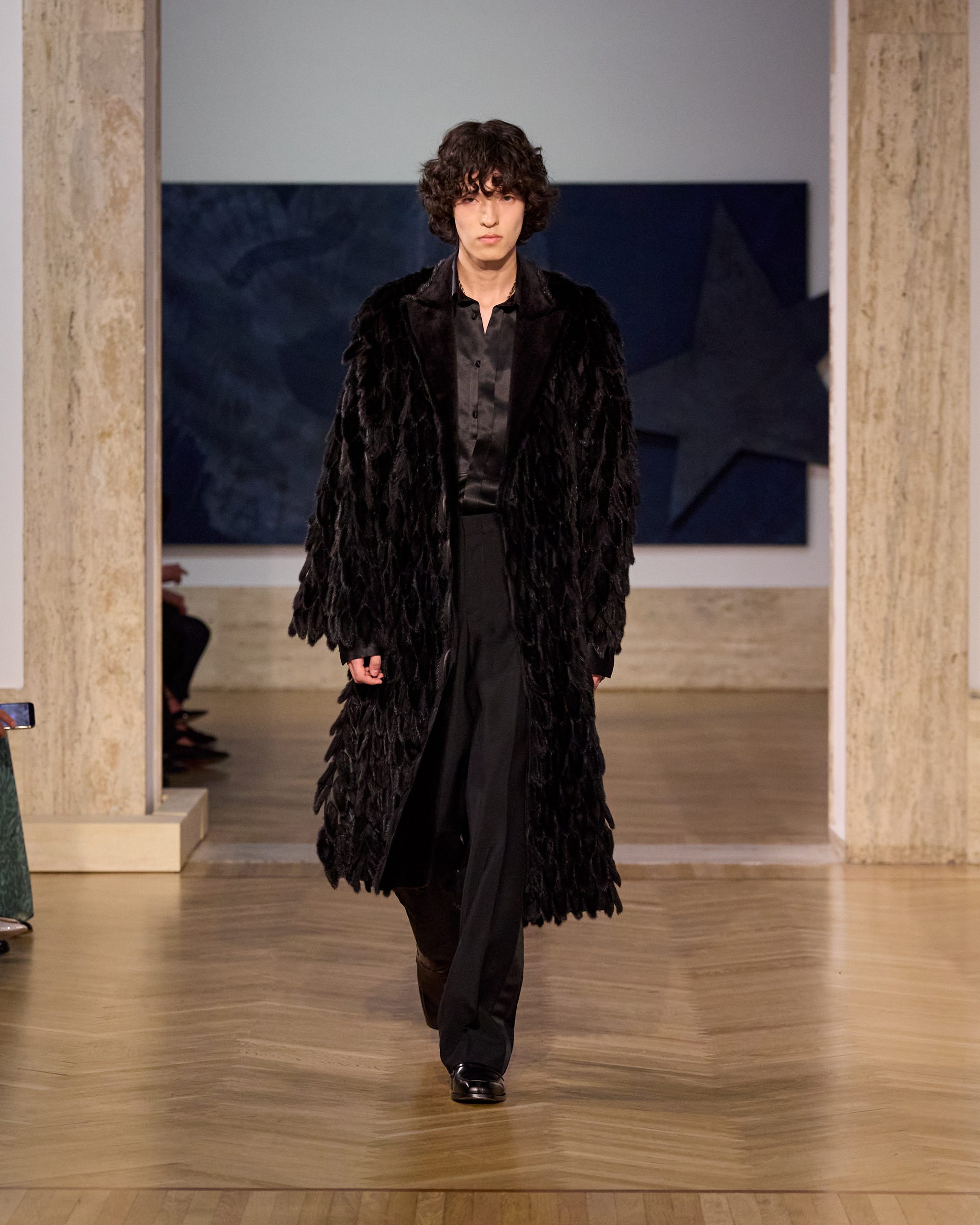
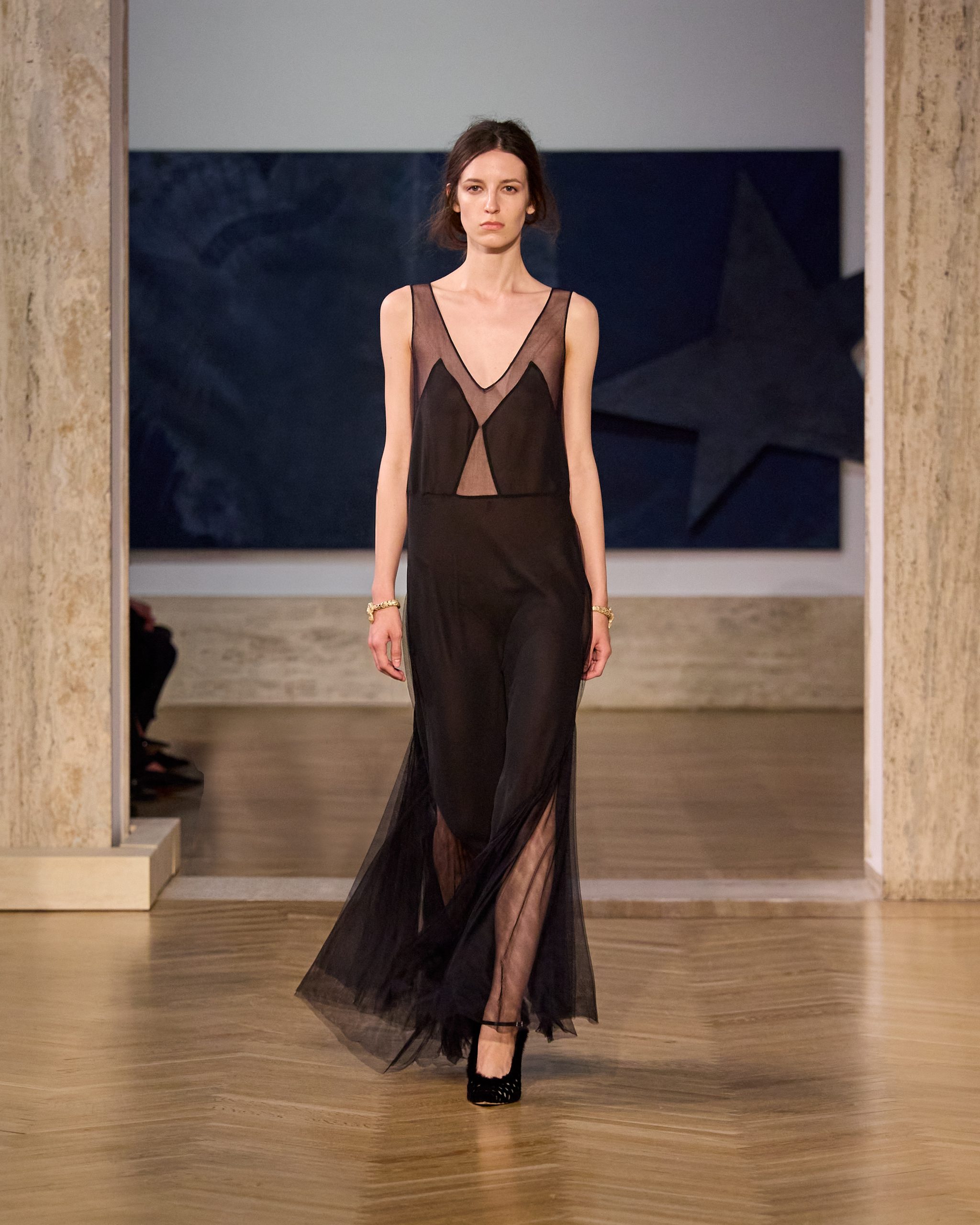
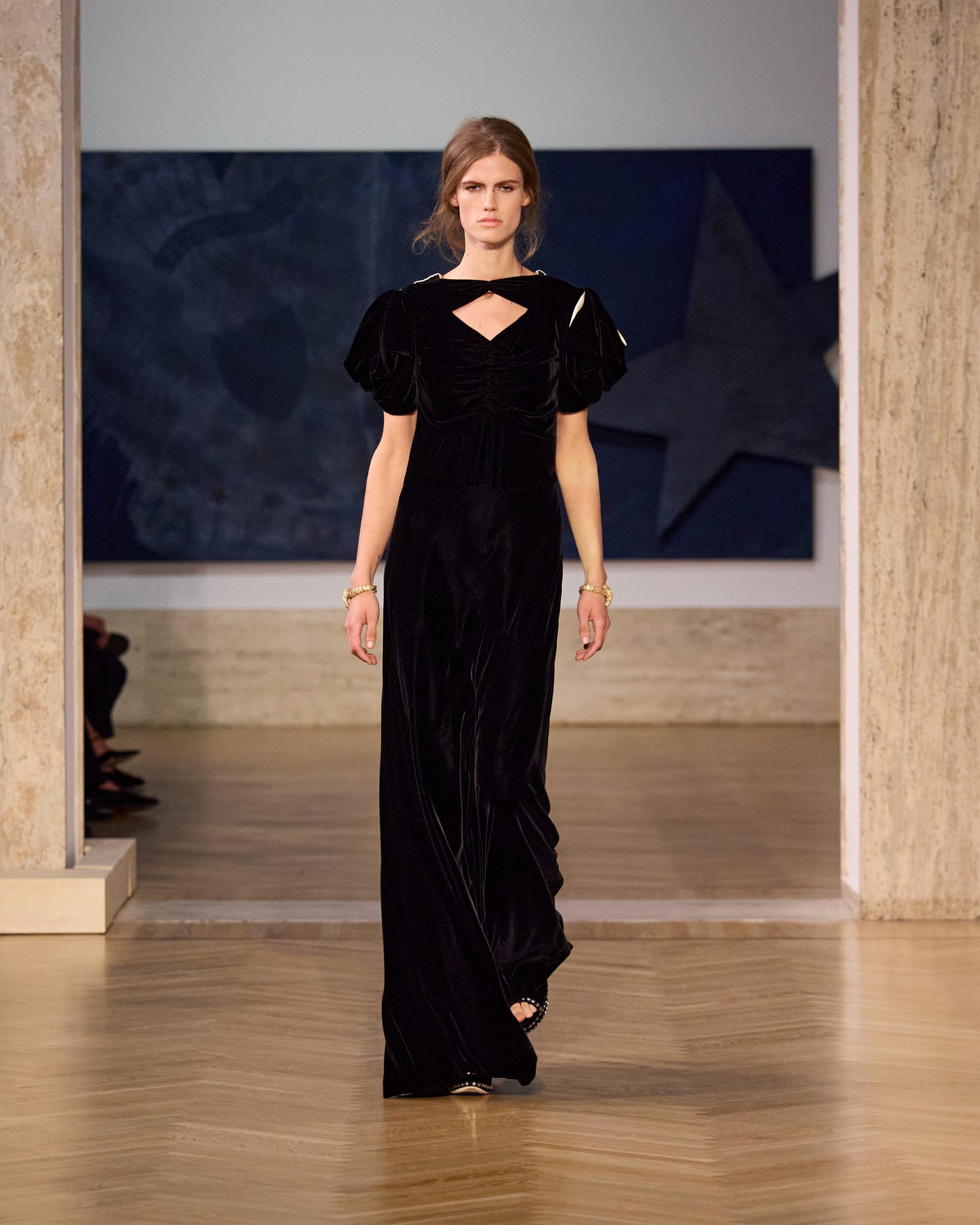
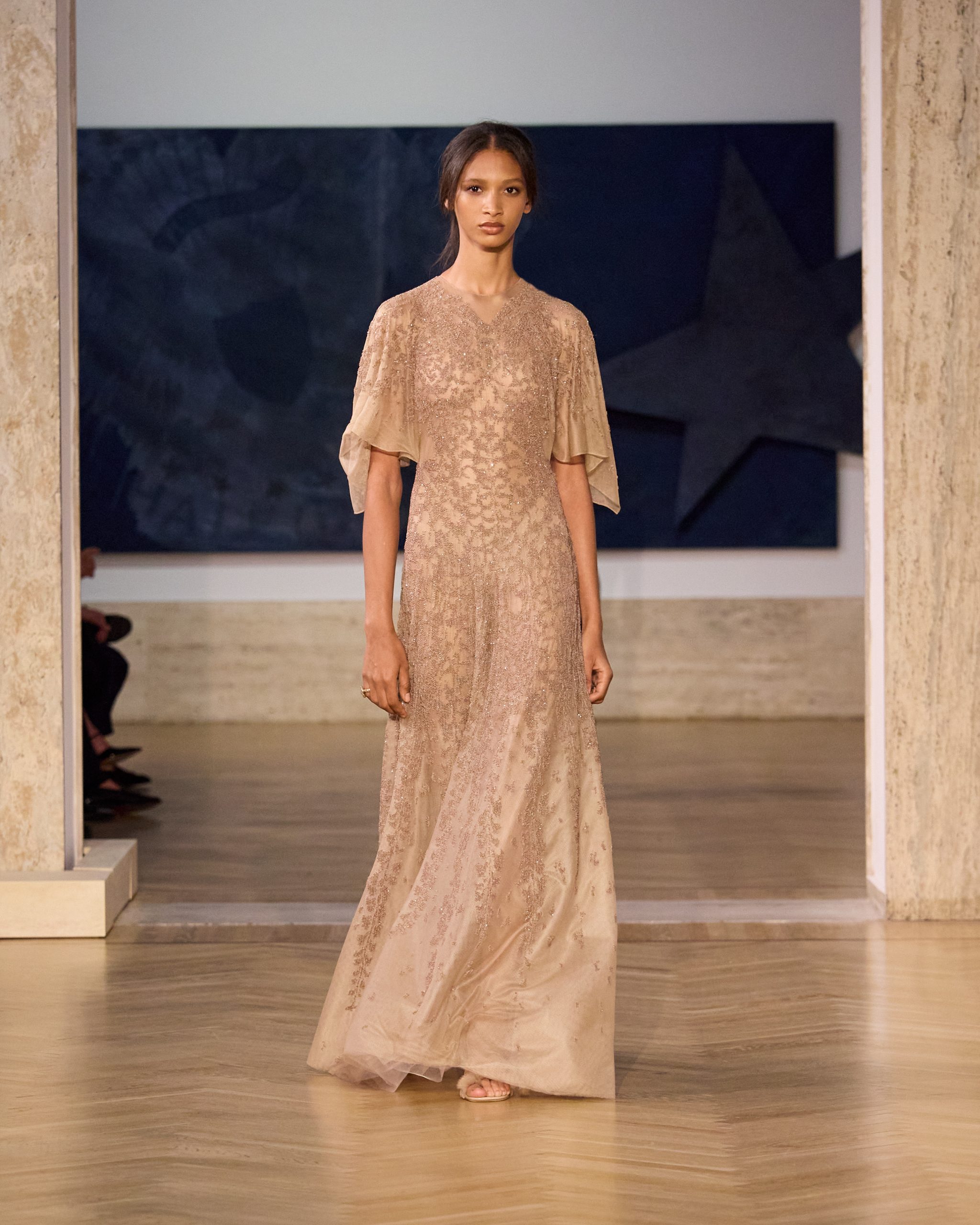
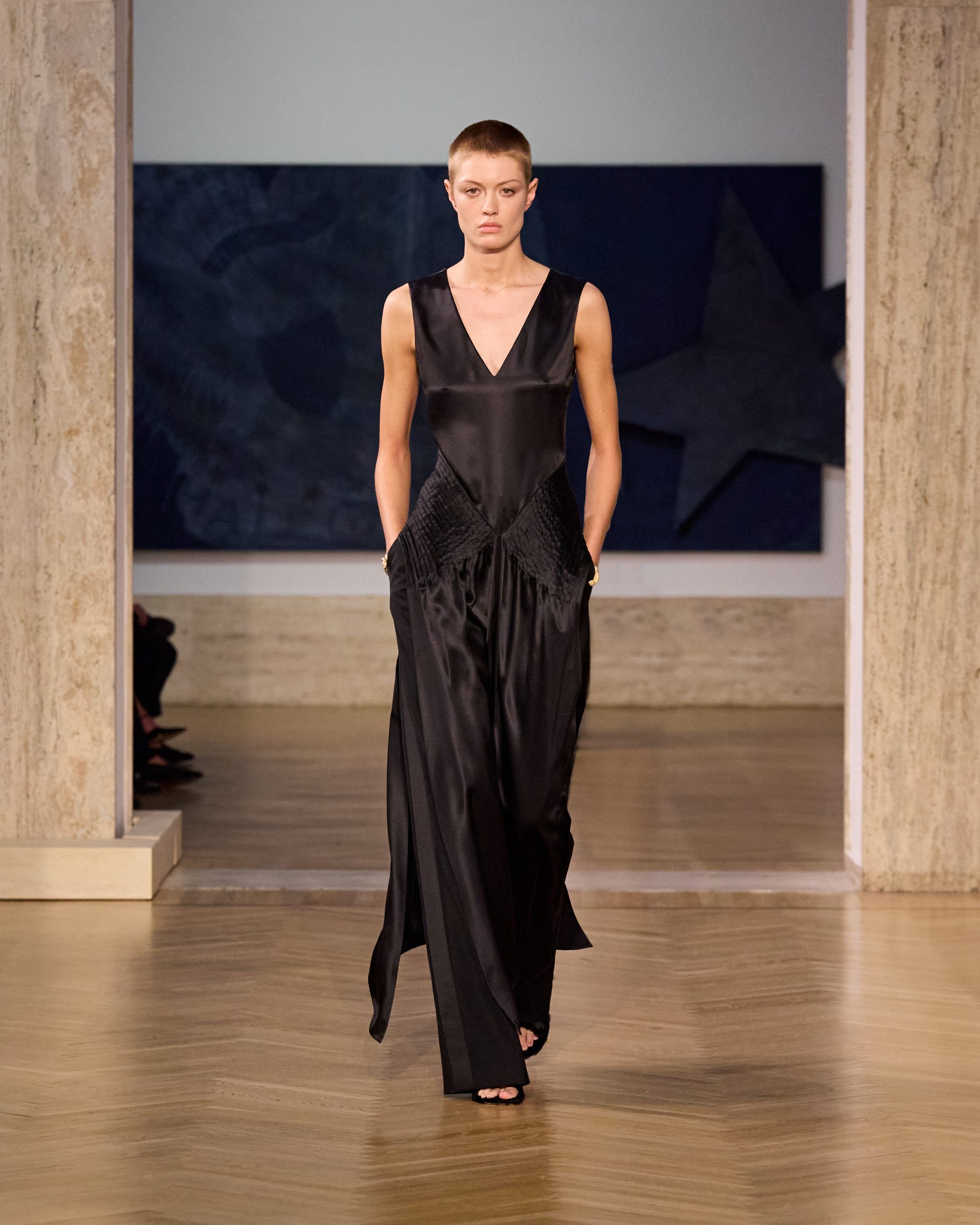
Chiuri’s collection indulges the body. These are clothes that do not constrain, but move to the rhythm of movements sometimes bold, sometimes restrained. They glide over the body, caress it: they are light like those in chiffon with striped inlays in black and white. The perimeter of the kimono shape for jackets, women’s and men’s overcoats, becomes a declaration of a fluid way of dressing, in materials such as velvet, grain de poudre. Without forcing. Like the dress that sculpts the body, without a corset, only through the use of drapery.
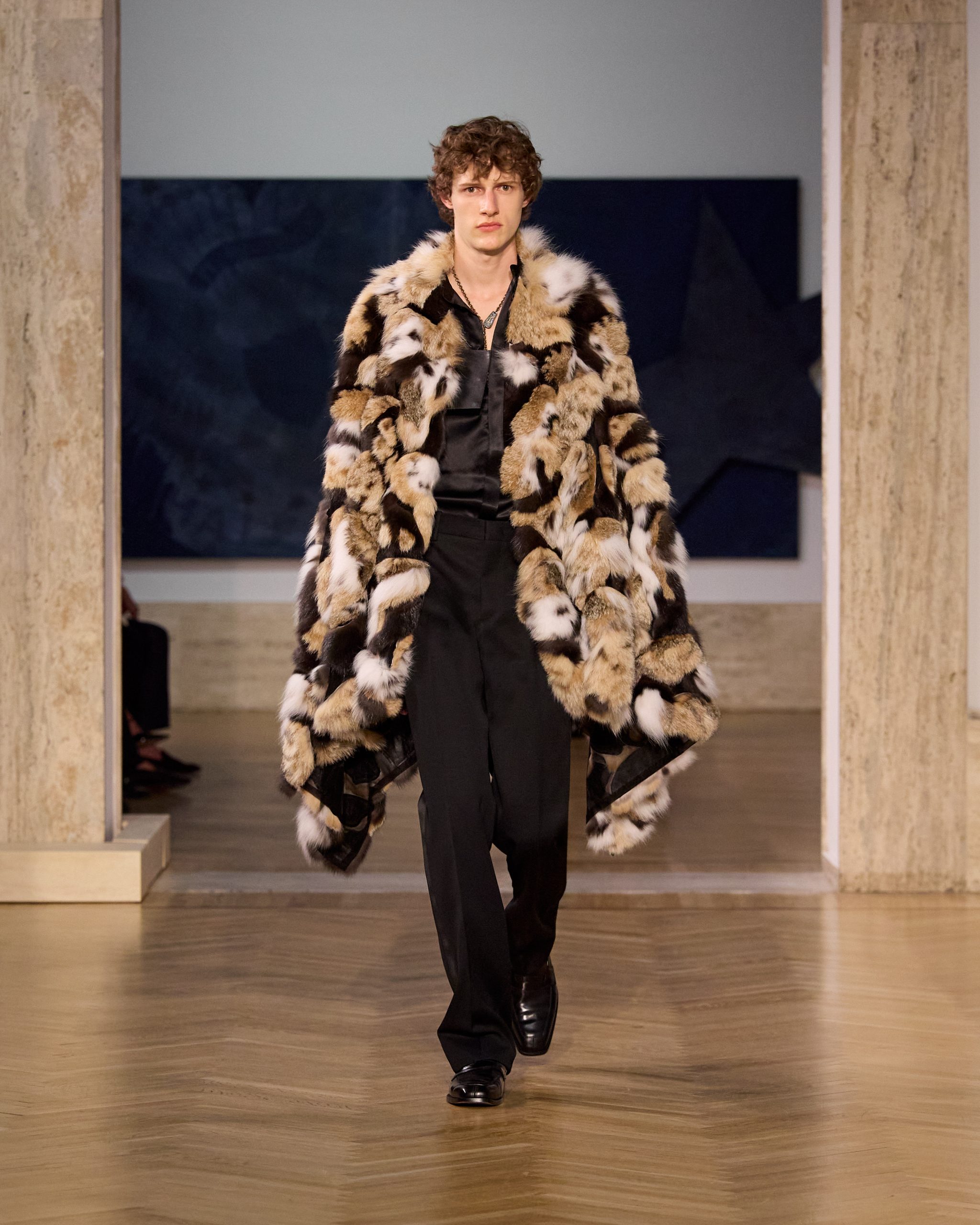
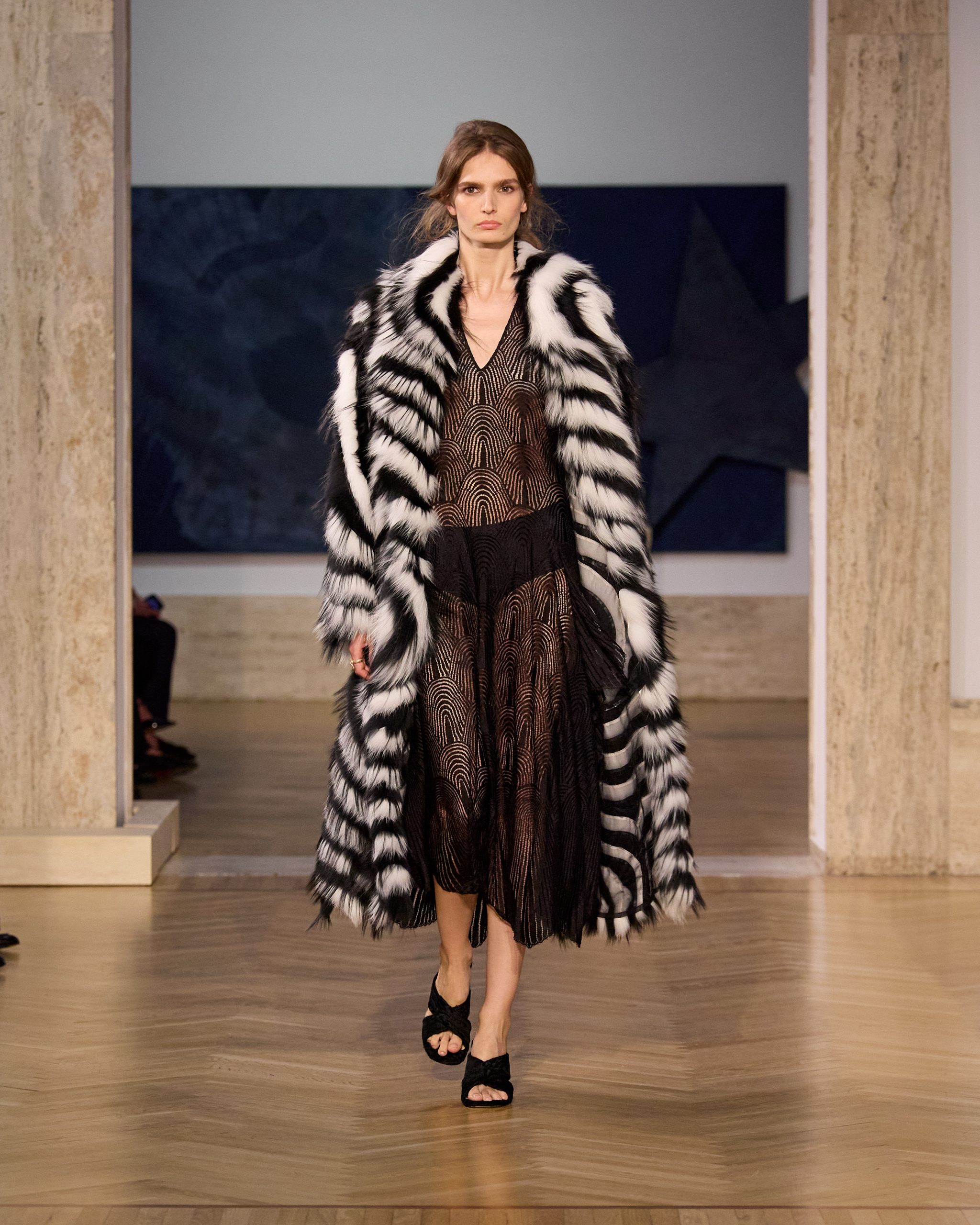
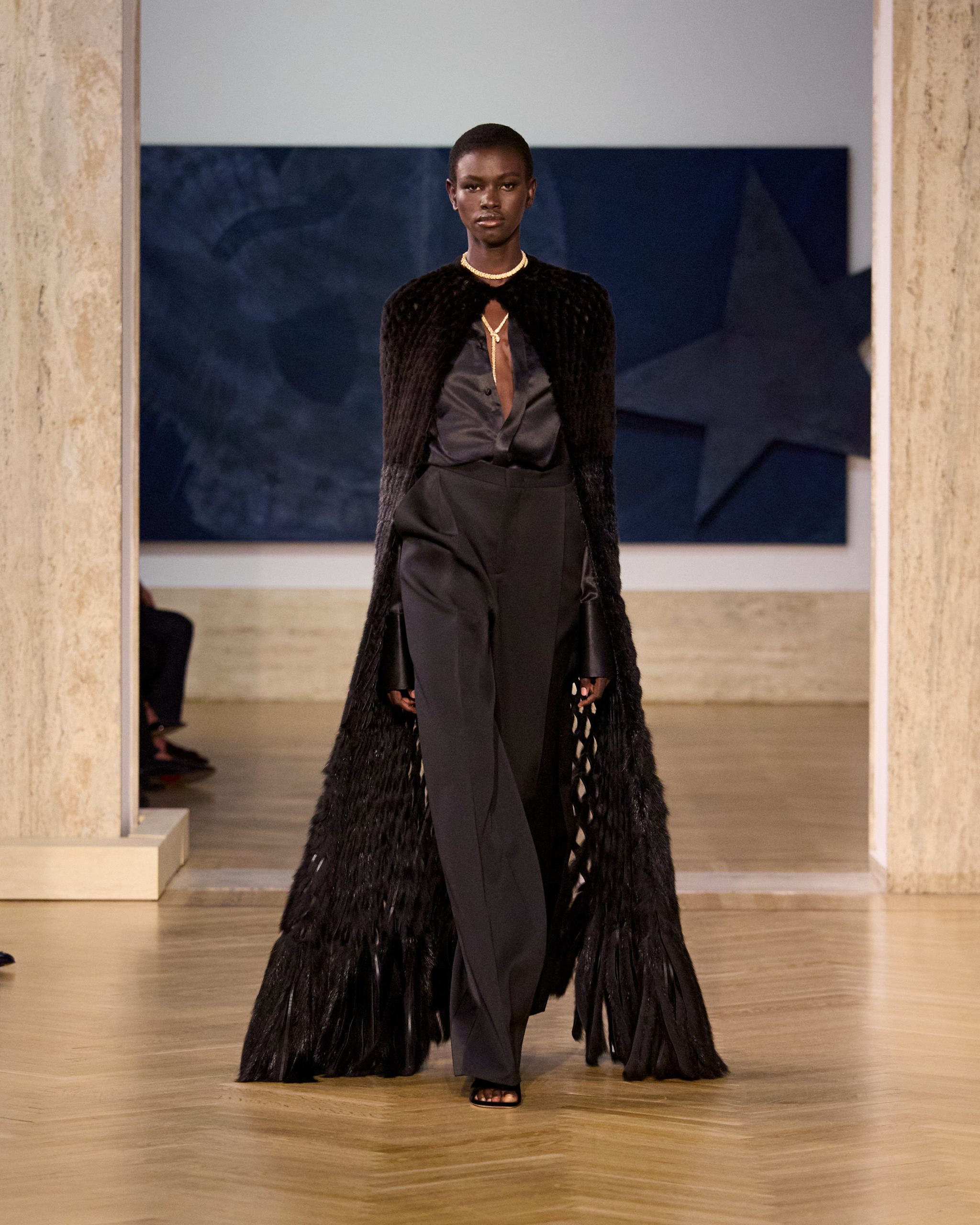
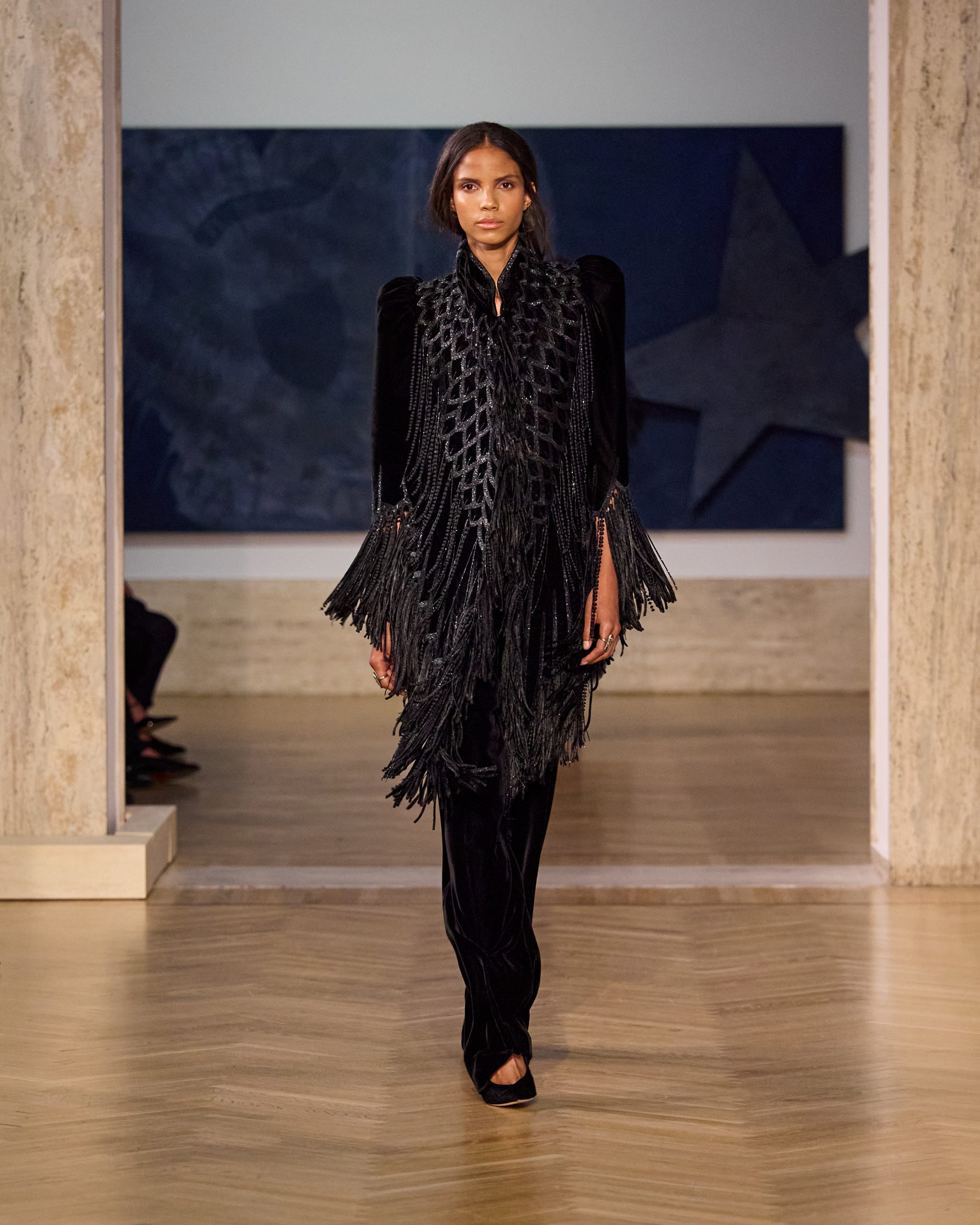
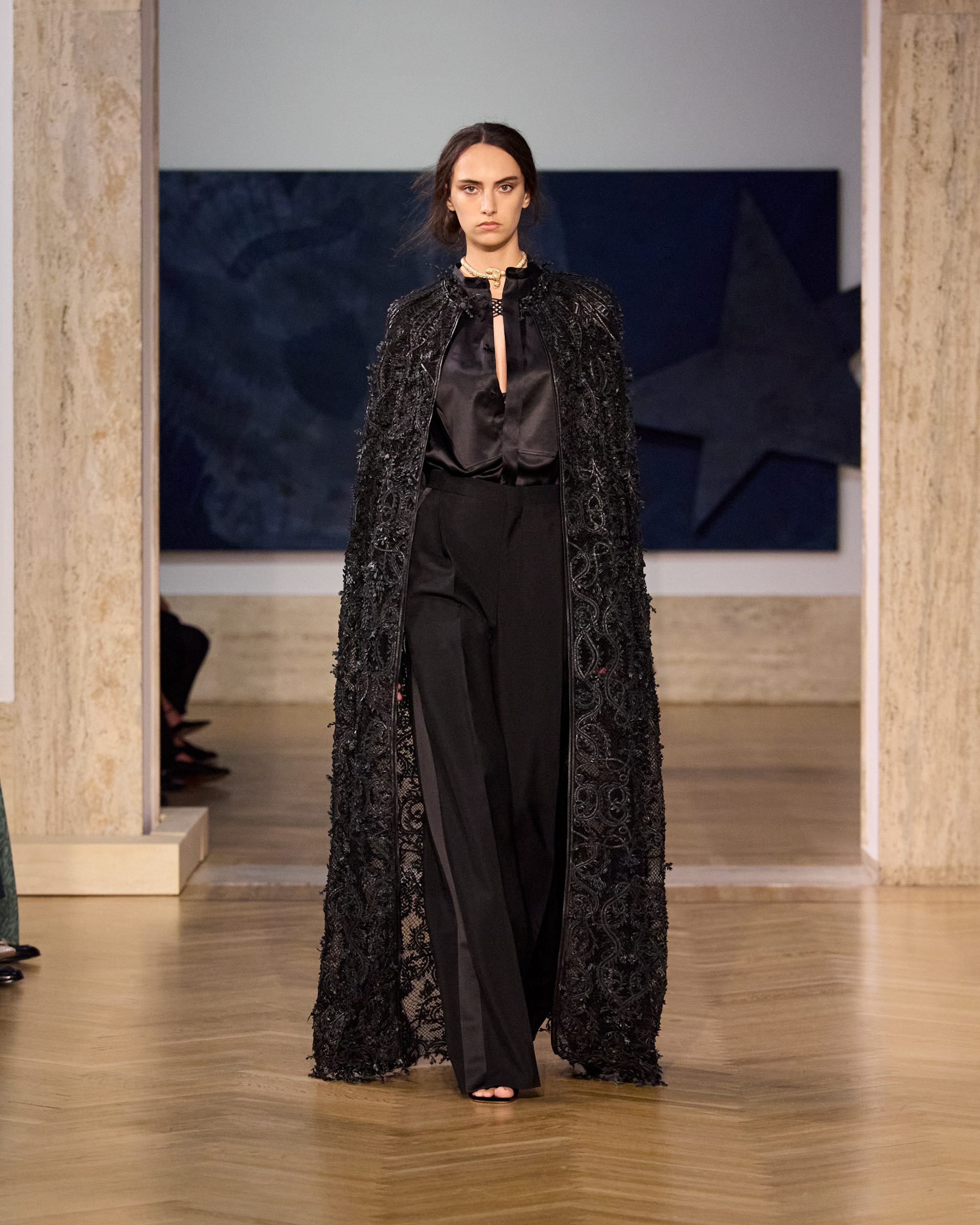
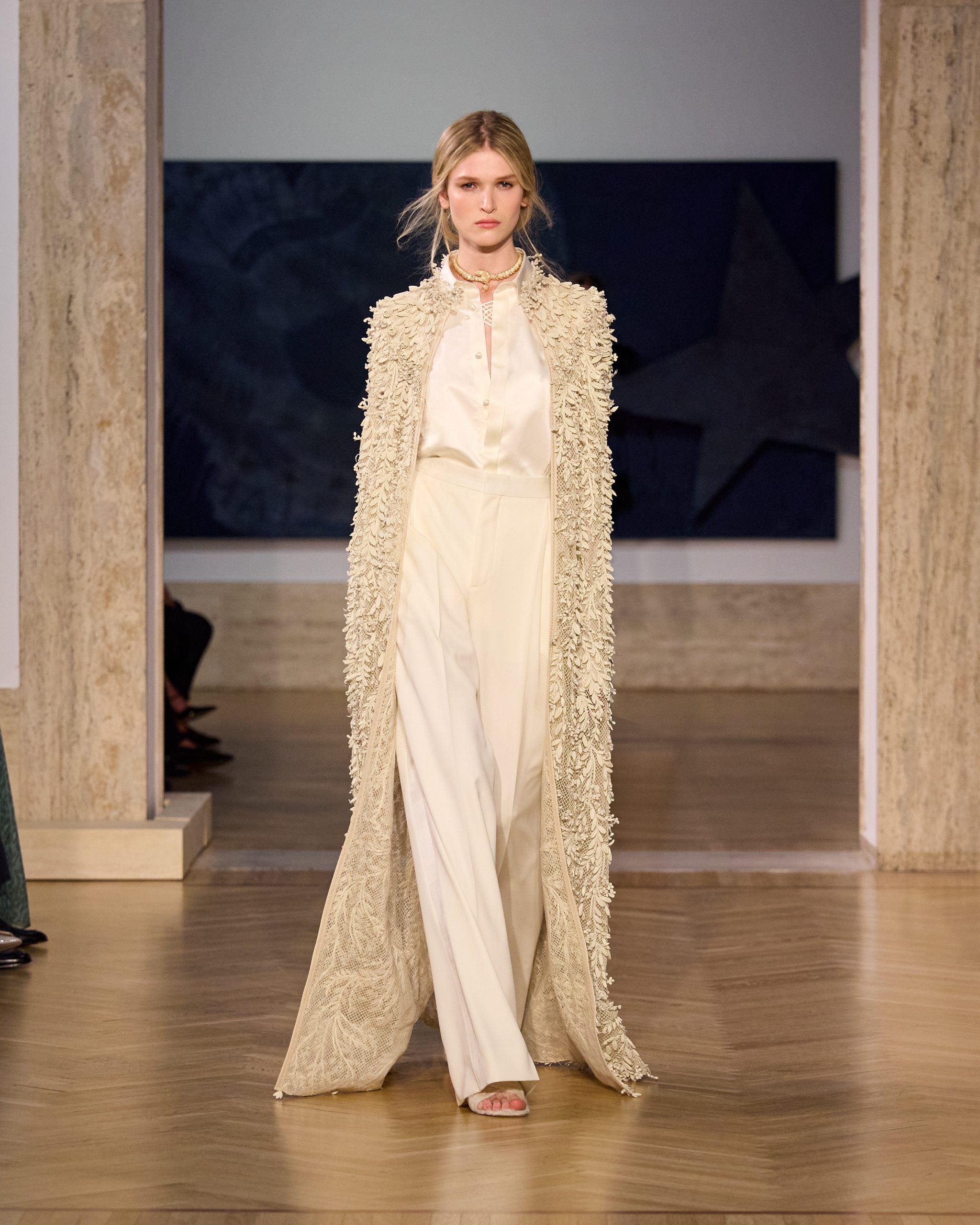
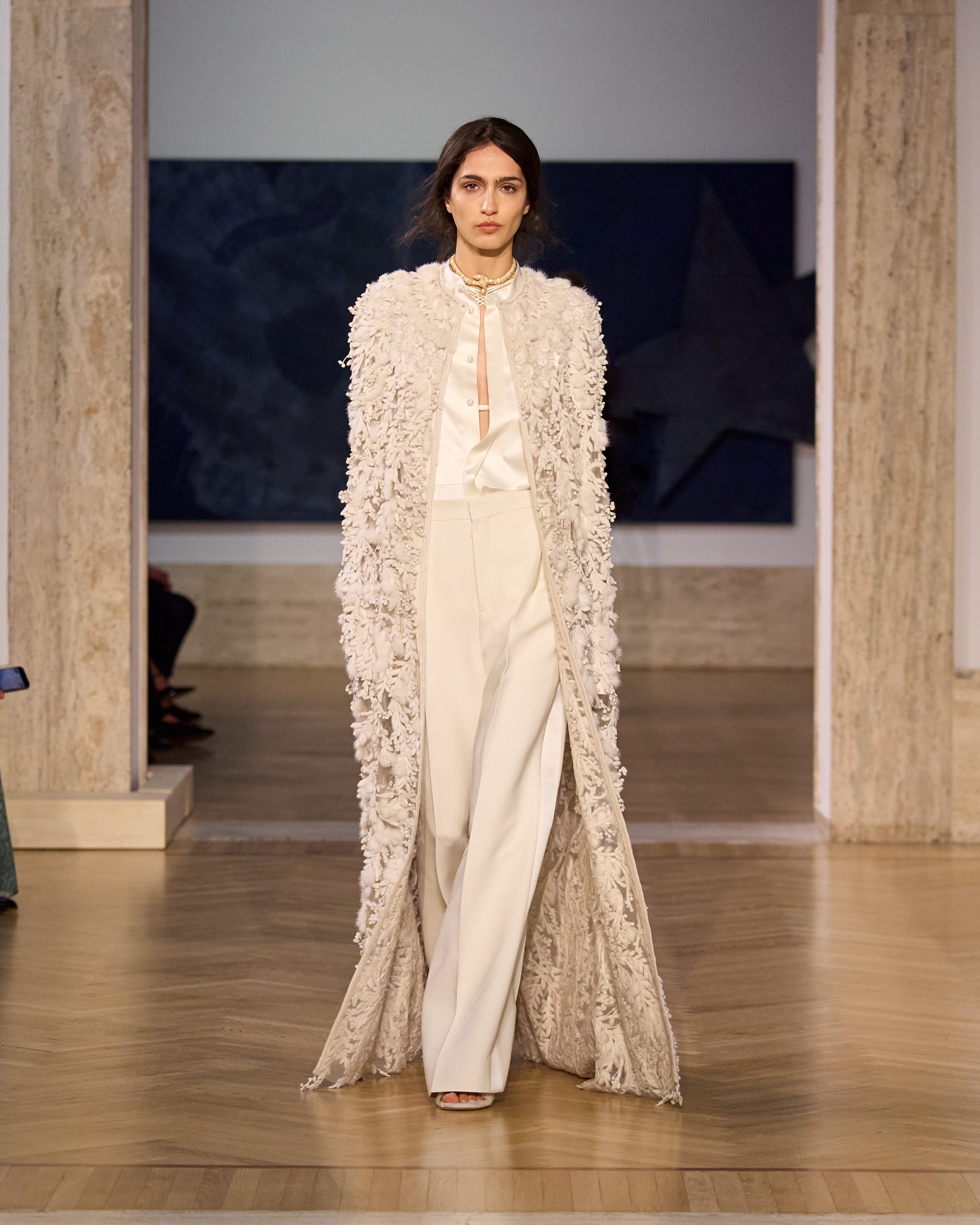
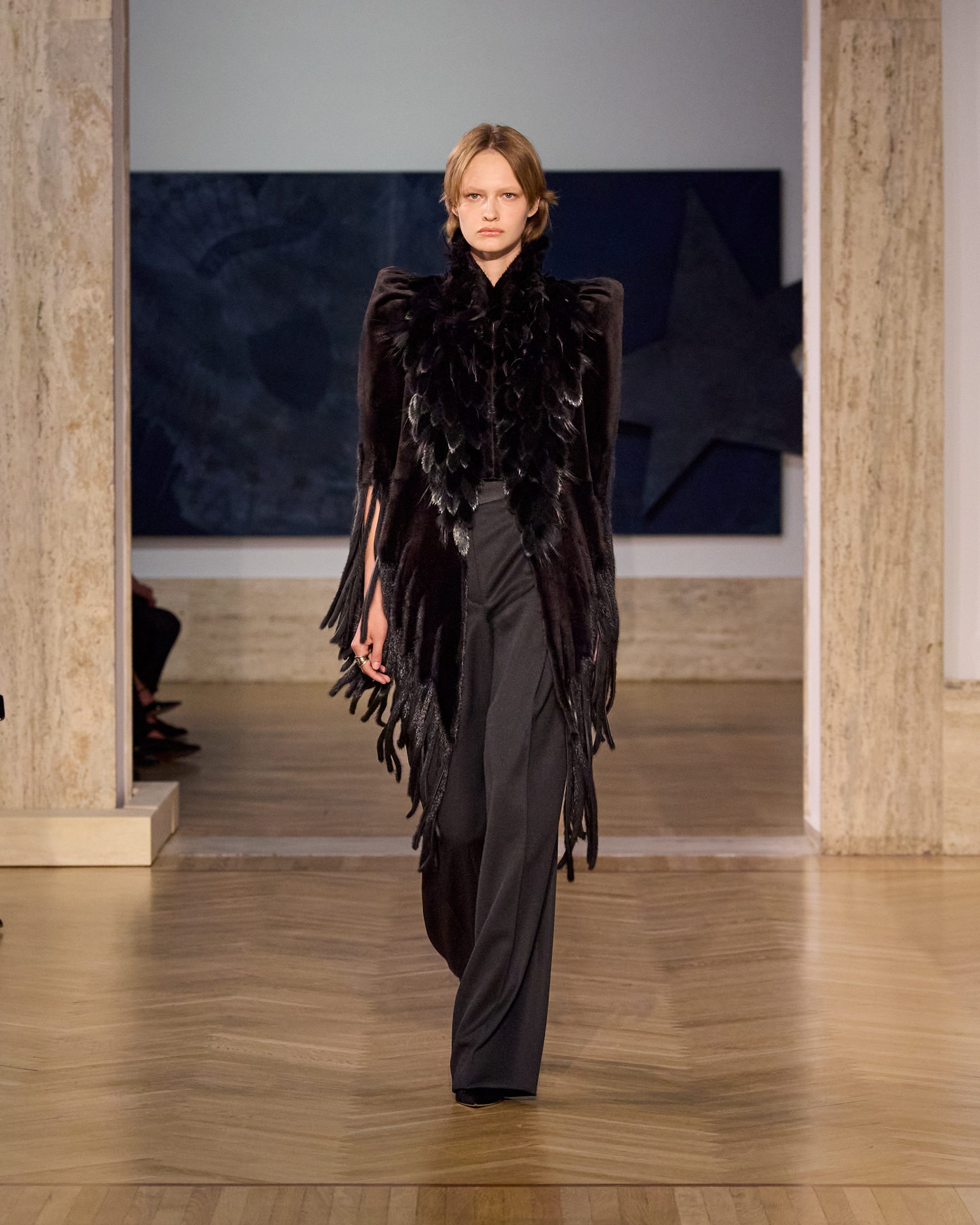
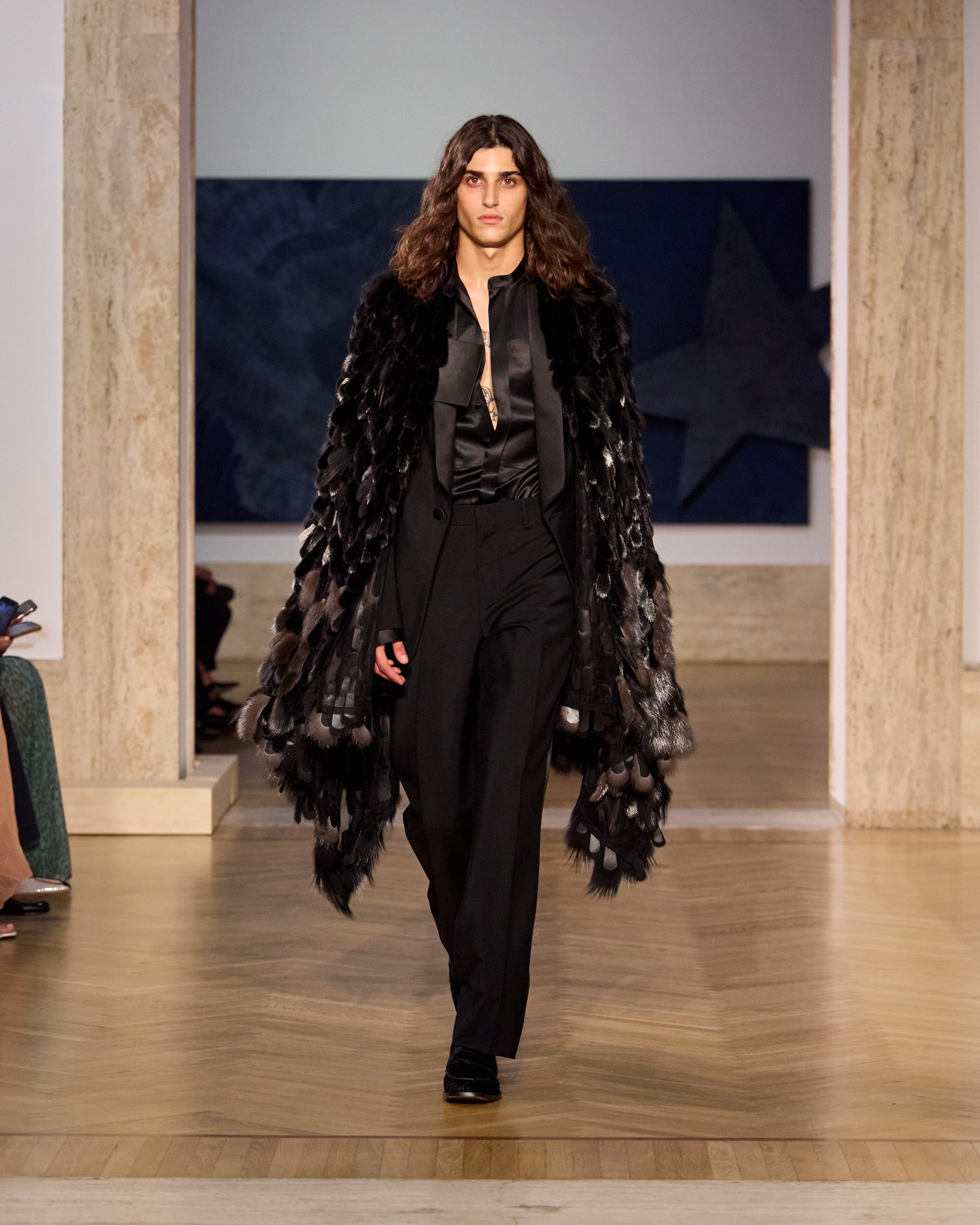
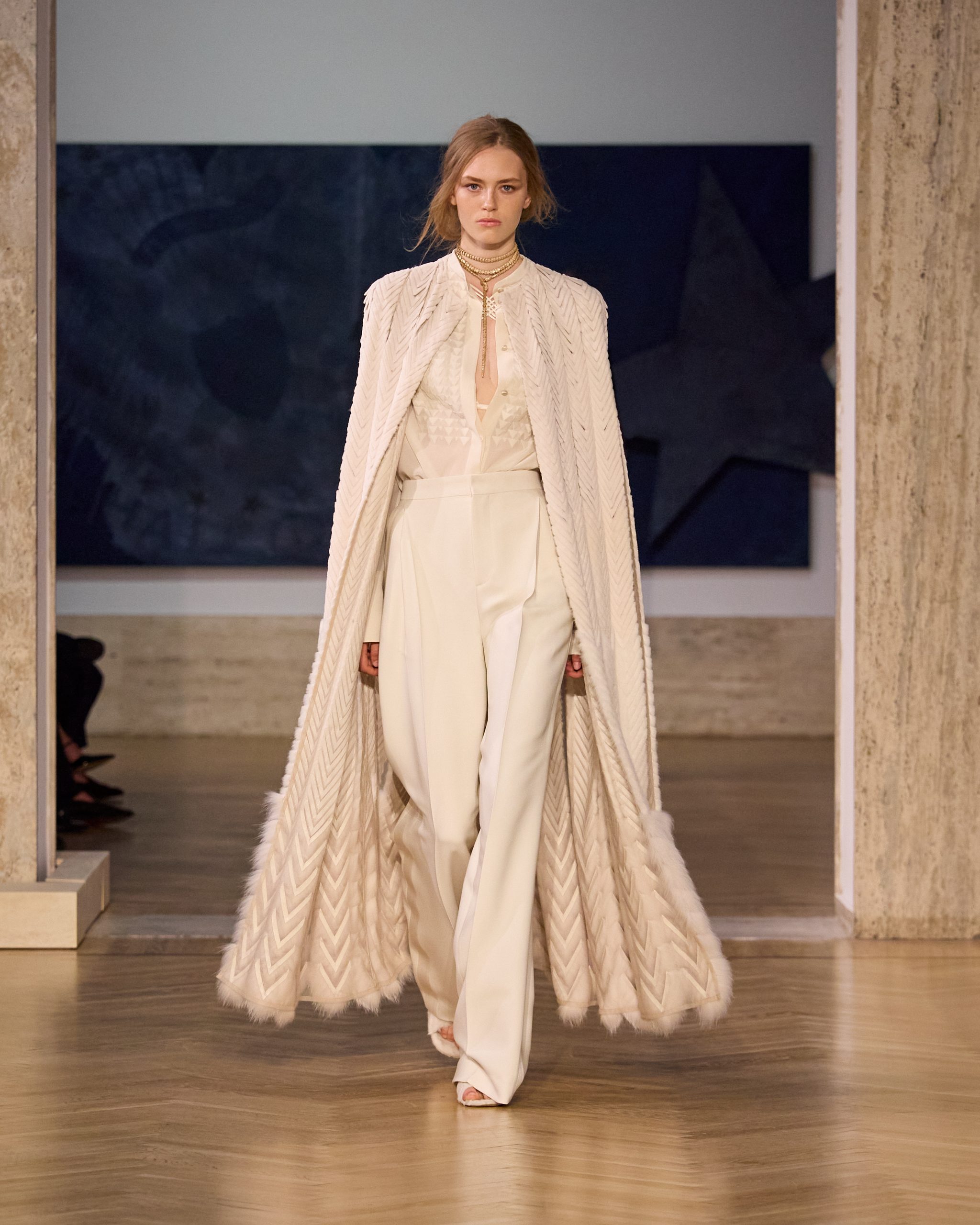
Chiuri makes the various ateliers dialogue. Living organisms, places for gathering different instances, where knowledge and skills confront and progress in a collaborative dimension that constantly reworks that magical and at the same time scientific language that is couture. A series of pieces are constructed through subtraction: fur is a feather: black and white stripes held by tulle. A fur Venus advancing sensually and playfully. Tulle also forms the structure of cloaks, capes traced by arabesques that become leaves, feathers, flowers of leather, of fur, of fabric.
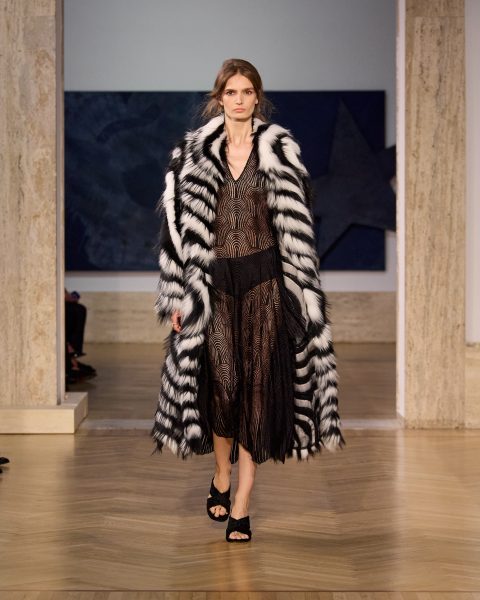
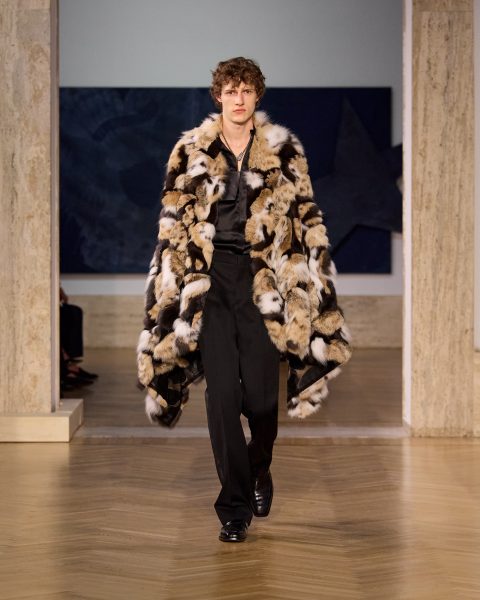
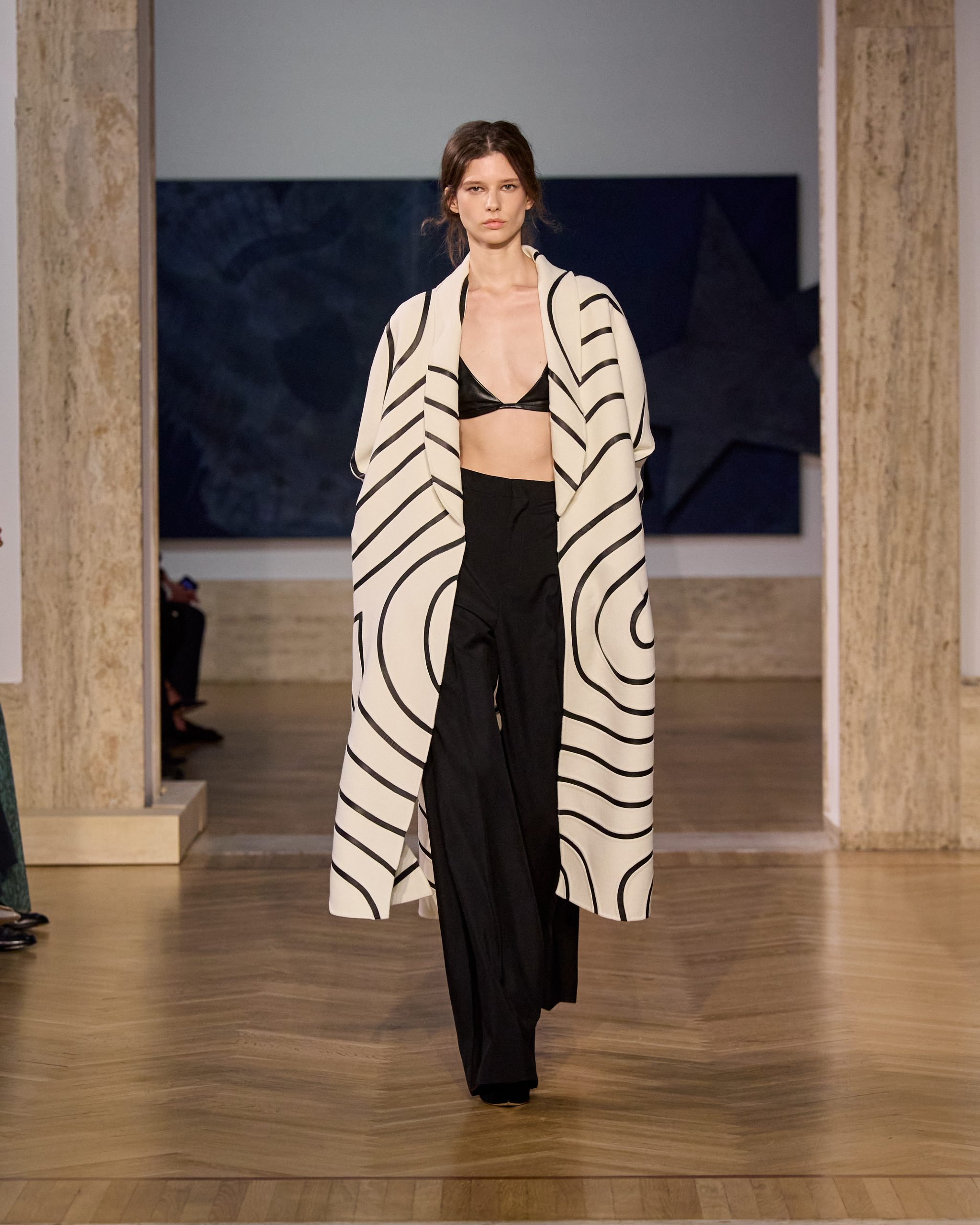
On men’s shoulders, they are a blanket, a shelter, a hut: the variety of fur can evoke butterflies. Leather traces labyrinths on the white of a double-faced cashmere coat.
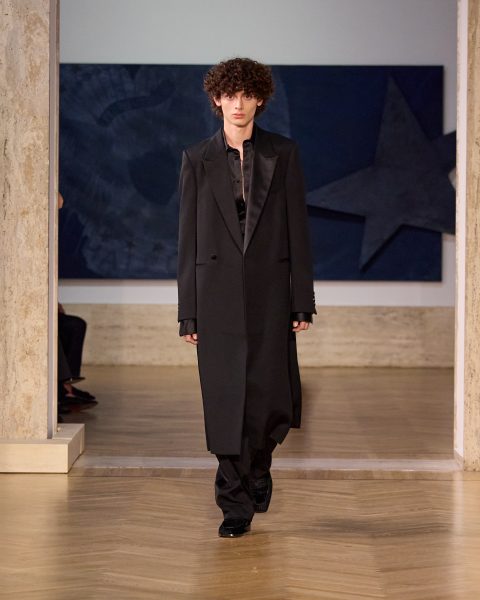
Chiuri interprets her role as an expression of a broad, boundless vision, in which Couture can be the most current form of sartorial experimentation in a dialogue that listens to those bodies and minds that inhabit it.
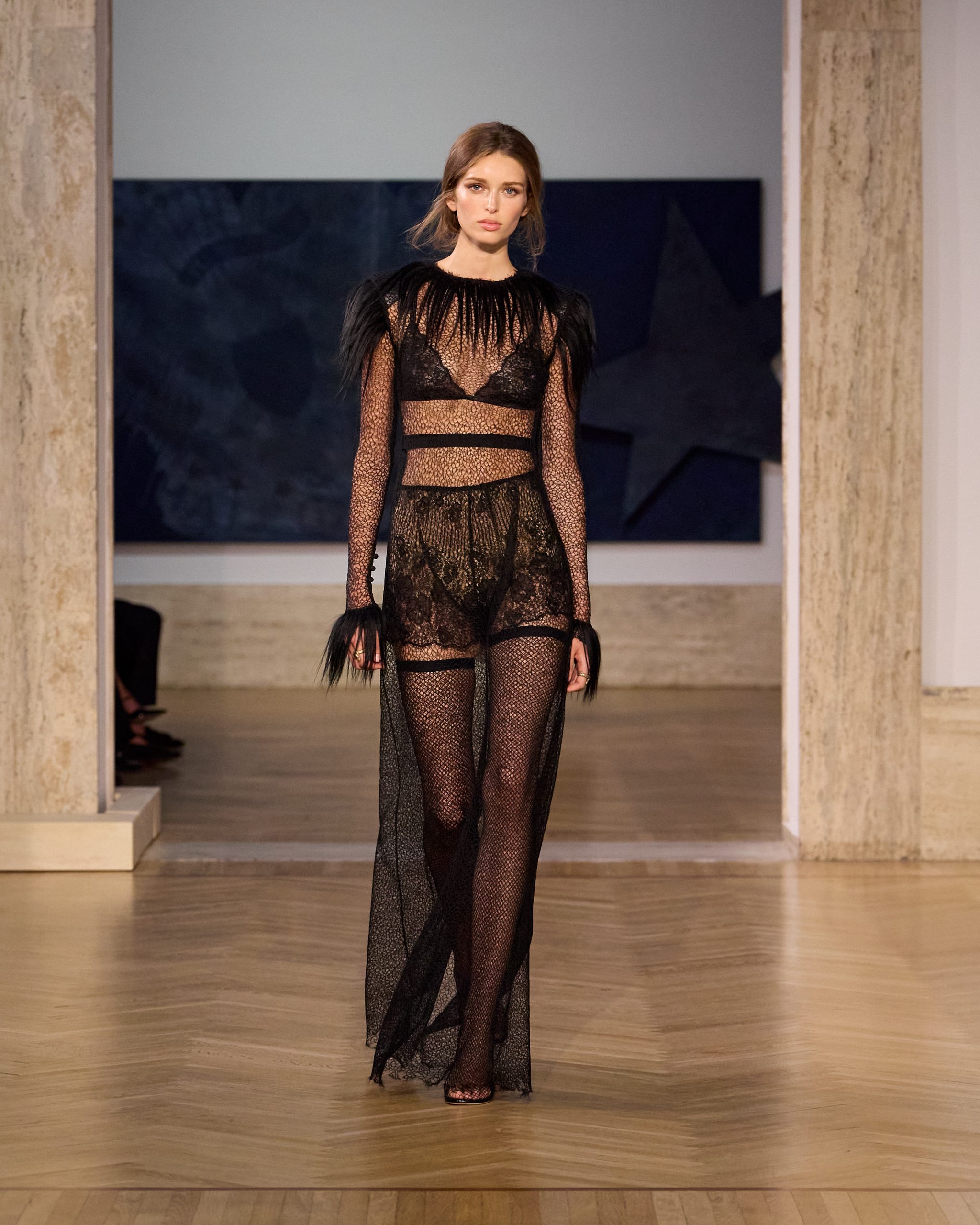
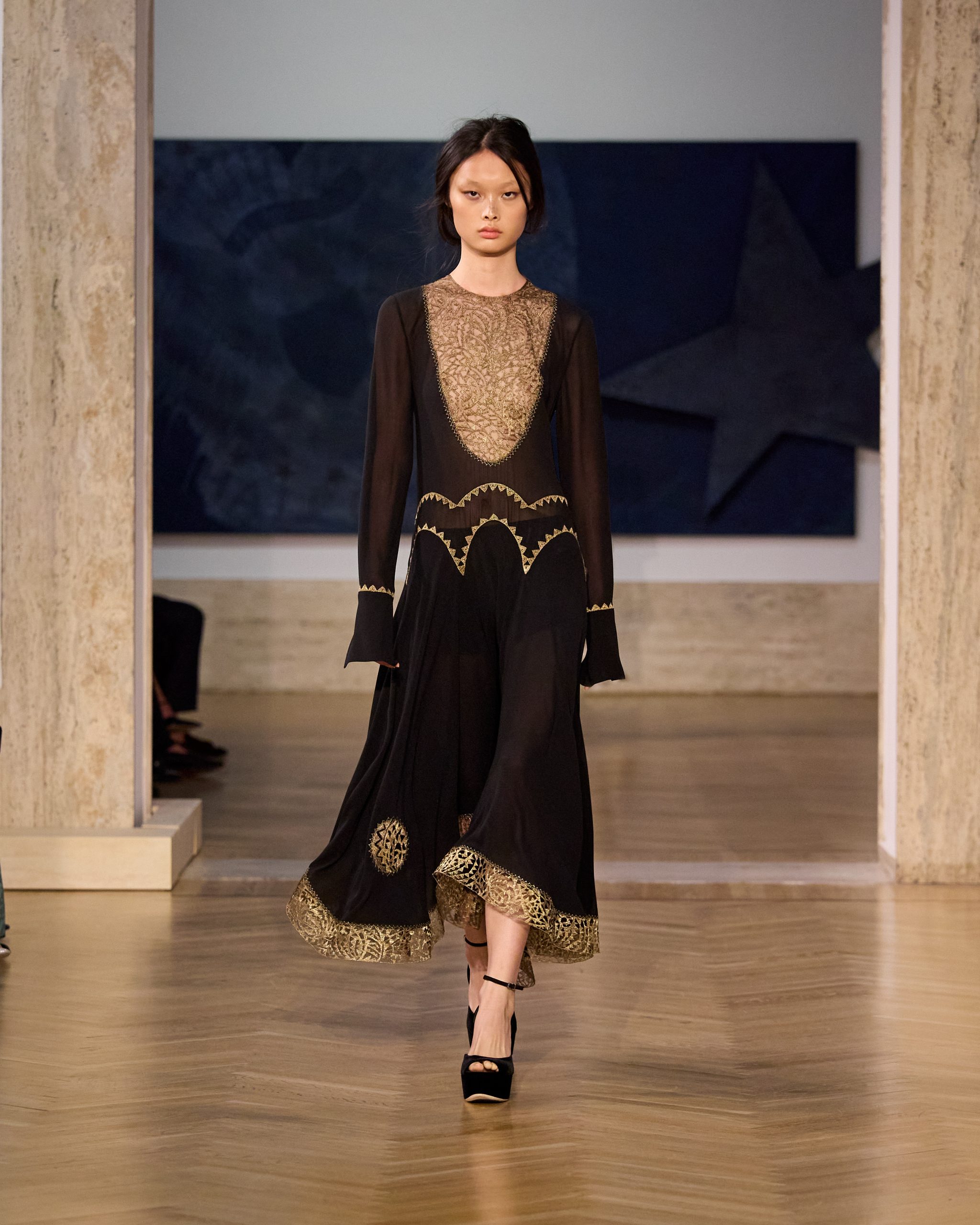
Discover more about FENDI here.
View this post on Instagram
FENDI FENDI Couture Fall/Winter 2026-2027